
Good dental care for teenagers is about so much more than just remembering to brush. It’s about building a foundation for a lifetime of health, especially as teens navigate unique challenges like hormonal shifts, new dietary freedoms, and major dental milestones. This means establishing strong personal hygiene habits and getting ahead of common issues like orthodontics and wisdom teeth.
Why The Teenage Years Are So Crucial For Dental Health
Think of the teenage years as a perfect storm for your teeth. It’s a time of massive change—not just socially and emotionally, but physically, too. Hormonal surges can make gums extra sensitive and prone to inflammation. At the same time, newfound independence often means more sugary snacks and acidic sports drinks. This combination creates a high-risk environment for all sorts of oral health problems.
But this period isn't just about managing risks; it's also a golden opportunity. The habits your teen forms now, whether good or bad, have a funny way of sticking around for life. Establishing a solid routine of dental care for teenagers is like pouring the concrete foundation for a house. A strong base supports the entire structure for decades, helping you avoid costly and complicated repairs down the road. If that foundation is weak, you'll be dealing with cracks and instability that are a real headache to fix later on.
The Rising Challenge of Teen Oral Health
This isn't just a hunch; the data shows that oral health issues among adolescents are a growing concern. A huge part of keeping teeth healthy during these pivotal years comes down to diet. For instance, understanding the real benefits of quitting sugar can dramatically lower the risk of cavities and gum disease.
Globally, the number of oral disorder cases in young people aged 10–24 increased by a staggering 17.1% between 1990 and 2021, jumping from 549 million to 643 million. This trend shines a spotlight on the urgent need for focused, preventative care during the adolescent years. You can review more details about these findings in the full research on adolescent oral disorders.
Key Milestones And A Focus On Prevention
This stage of life is also defined by big dental milestones that really need professional guidance. Many teens will get braces to correct bite issues or have their first evaluation for wisdom teeth. These aren't just cosmetic touch-ups; they are critical steps for ensuring long-term function and health.
Your best defense is a good offense. By focusing on a few key areas, parents and teens can work together to protect that smile:
- Consistent Hygiene: Making twice-daily brushing and daily flossing a non-negotiable part of the routine.
- Smart Food Choices: Limiting sugary and acidic foods that feed the bacteria responsible for tooth decay.
- Regular Dental Visits: Teaming up with a dental professional for cleanings and to catch problems early.
- Addressing Major Changes: Planning for things like orthodontics and wisdom teeth evaluations before they become urgent problems.
Getting through this period successfully takes a real partnership between teens, parents, and their dental provider. Our team is here to support that journey every step of the way. You can learn more about our philosophy by checking out the Beyond Dental Care mission.

Building a Daily Routine That Actually Works

Let's be honest: getting a teenager to stick with any routine can feel like a battle. When it comes to dental care, it's often the last thing on their mind. So, how do you make it stick? The trick is to stop framing it as a chore and start connecting it to what they care about—like having a great smile, fresh breath, and the confidence to hang out with friends without feeling self-conscious.
Think of plaque as that invisible gunk that not only causes cavities but also dulls their smile and leads to bad breath. Brushing and flossing aren't just arbitrary rules; they're the only way to get rid of it. It’s their best defense for looking and feeling good at school, on the field, or at a party.
Arming Them With the Right Tools
The right gear can make a huge difference. If their tools feel boring or clumsy, they're less likely to use them. Giving them a say in what they use can seriously boost their willingness to keep up with their routine.
When you're helping them build a toolkit for great oral health, don't be afraid to think outside the box. While standard mint toothpaste works for most, some teens might be more interested in something different, like an Ayurvedic Natural Whitening Toothpaste, which can make the process feel more personal.
Here are the essentials to consider for their daily arsenal:
- Electric Toothbrush: A fantastic option, especially for teens who tend to rush. Most have a built-in 2-minute timer, taking the guesswork out of it. Plus, the powerful vibrations often do a much better job of clearing away plaque.
- Manual Toothbrush: The classic choice is still a great one. Just make sure they're using a soft-bristled brush and teach them to use gentle, circular motions. It’s all about technique, not brute force.
- Fluoride Toothpaste: This is non-negotiable. Fluoride acts like a superhero's shield for their enamel. It helps repair weak spots and defend teeth against the acid that comes from sugar and carbs.
- Floss or Water Flossers: String floss is a gold standard, but it can be a real hassle with braces. A water flosser can be a game-changer here, making it way easier (and more satisfying) to blast away food caught between teeth and under the gumline.
From Nagging to Lasting Habits
The real win is when you can step back because they've taken over completely. This isn't about you policing their habits; it's about them owning their health. The best way to get there is by leading by example and having real conversations about why this stuff matters.
A key part of this ownership is building a relationship with a dental professional they trust. When teens feel comfortable asking questions, they are more likely to stay engaged. Our own Dr. Lazore emphasizes creating this supportive environment for every patient. You can see more about our patient-focused approach here.
By framing oral hygiene as self-care and equipping them with tools they actually like, you can help your teen build a routine that lasts. It transforms brushing from a dreaded nightly argument into a simple, personal habit that will protect their smile for a lifetime.
Navigating Common Teen Dental Problems
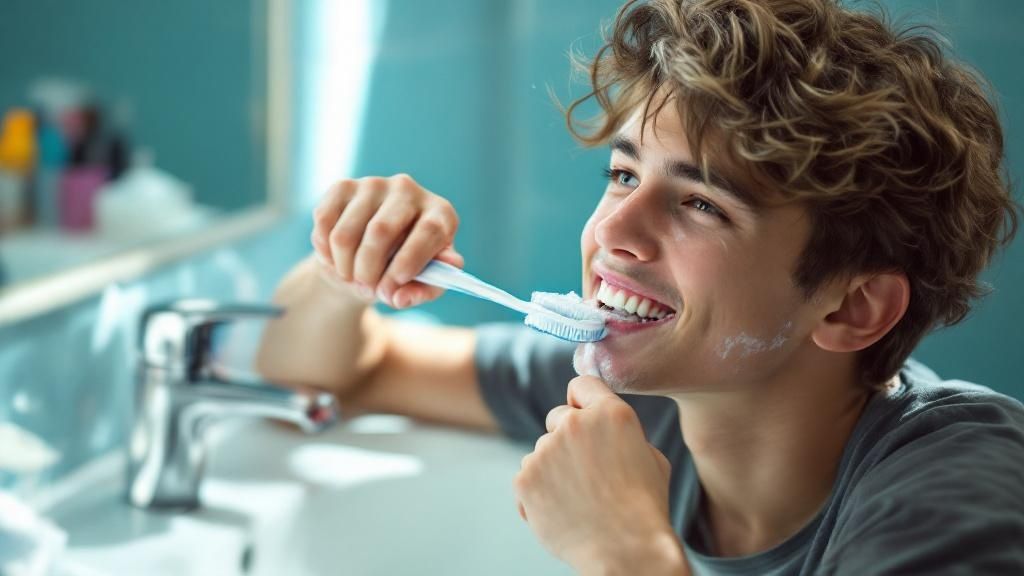
Even with the best at-home care, the teenage years can feel like a minefield for oral health. It's a time of newfound independence—which often means more control over their own food choices—mixed with hectic schedules and major hormonal shifts. All of this can create the perfect storm for dental issues to pop up.
The biggest adversary for a teenage smile? Hands down, it's cavities, or what we dentists call dental caries. This isn't just a case of bad luck; it’s almost always a direct consequence of what teens eat and drink. Constant snacking on sugary treats or sipping on acidic sports and energy drinks gives harmful mouth bacteria exactly the fuel they need to thrive. These bacteria produce acids that eat away at tooth enamel, eventually creating a hole.
The Cycle of Sugar and Acid
Think about it this way: your teen grabs a soda or sports drink after school. Instead of downing it in a few minutes, they sip on it for the next hour while scrolling through their phone. Each sip is a fresh wave of sugar and acid washing over their teeth, restarting the attack again and again.
This constant exposure means their saliva never gets a chance to do its job—neutralizing the acid and starting the natural repair process. It's an incredibly common habit, and it's a huge reason why cavities are so widespread among adolescents. In fact, research shows that over half of all U.S. teens aged 12 to 19 have had at least one cavity. The rate of untreated cavities in this age group is around 13.4%—that's more common than asthma.
Beyond Cavities: Other Common Concerns
While cavities steal the spotlight, a few other issues frequently show up during the teen years. It’s important to be on the lookout for them, as they can signal problems that need a professional eye.
- Early Gum Disease (Gingivitis): Have you noticed your teen’s gums looking red and puffy? Do they bleed a little when they brush? That's likely gingivitis. It’s the first stage of gum disease, usually caused by plaque building up along the gumline. The good news is it's completely reversible with better brushing, flossing, and a professional cleaning.
- Persistent Bad Breath (Halitosis): We all have bad breath from time to time, but if it hangs around no matter what, it could be more than just the onions on their burger. Lingering bad breath is often a red flag for poor hygiene, hidden cavities, or even gingivitis.
- Tooth Discoloration: A daily habit of coffee, tea, or dark sodas can leave behind noticeable stains, making teeth look dull and yellowed. While it's usually just a cosmetic concern, it can really take a toll on a teenager's self-confidence.
Key Takeaway: These problems are more than minor annoyances—they're real health issues. Catching them early with your dentist is the key to stopping them from becoming more serious, painful, and expensive to fix. An ignored cavity can easily lead to a nasty infection that requires much more than a simple filling.
Teenage Dental Concerns and Prevention Strategies
To help you stay ahead of these common issues, here's a quick reference table. It breaks down the most frequent problems we see in teens, what usually causes them, and the best ways to prevent them from starting in the first place.
| Concern | Common Causes in Teens | Prevention Strategy |
|---|---|---|
| Cavities (Dental Caries) | Frequent snacking, sugary drinks (soda, sports drinks), inconsistent brushing/flossing. | Limit sugary foods/drinks, brush twice daily with fluoride toothpaste, floss once daily, and get regular dental checkups. |
| Gingivitis (Early Gum Disease) | Plaque buildup from poor oral hygiene, hormonal changes during puberty. | Thorough daily brushing and flossing, especially along the gumline. Professional cleanings every 6 months. |
| Bad Breath (Halitosis) | Poor hygiene, food particles, gum disease, dry mouth, or underlying health issues. | Brush teeth, gums, and tongue. Floss daily. Stay hydrated. See a dentist to rule out other causes. |
| Tooth Discoloration | Staining from dark-colored drinks (coffee, tea, soda), smoking/vaping, certain medications. | Reduce intake of staining foods/drinks. Use a straw. Maintain good hygiene. Consider professional whitening if needed. |
| Wisdom Tooth Pain | Impacted wisdom teeth (no room to erupt properly), inflammation, infection around the emerging tooth. | Regular dental X-rays to monitor growth. Good hygiene to keep the area clean. Consult a dentist about extraction. |
By being proactive and partnering with your dentist, you can help your teen navigate these years with a healthy smile intact.
It's crucial to address any of these concerns as soon as you notice them. A simple toothache or bleeding gums can escalate faster than you'd think. Having a plan—and a trusted dentist to call—is essential. You can learn more about handling a dental emergency in North Glendale to be better prepared for those unexpected moments.
The Complete Guide to Braces and Orthodontics
For a lot of teenagers, getting braces is a rite of passage, almost as big a deal as getting a driver's license. But orthodontics is about so much more than just getting a picture-perfect smile. It's really about fixing underlying structural problems that can cause serious headaches—both literally and figuratively—down the road.
Think of your teen’s bite as the foundation of a house. If that foundation is off-kilter, it puts uneven stress on the whole structure. This can lead to all sorts of issues, from chronic jaw pain and worn-down teeth to persistent headaches. Braces are designed to realign that foundation, setting your teen up for a healthy, functional smile for decades.
Comparing Orthodontic Treatment Options
The good news is that today's teens have way more options than just a mouth full of metal. The "brace face" of the past has been replaced with a variety of choices, and each one comes with its own pros, cons, and impact on a teen's lifestyle.
- Traditional Metal Braces: These are the workhorses of orthodontics. Made from high-grade stainless steel, they're incredibly tough and effective at fixing even the most complex bite and alignment issues. They're also often the most budget-friendly choice.
- Ceramic Braces: These work exactly like their metal counterparts, but they use clear or tooth-colored brackets that blend in with the teeth. They're a fantastic option for teens who feel a bit self-conscious about their appearance but still need the heavy-lifting power of traditional braces.
- Clear Aligners (like Invisalign): This popular option uses a series of custom-made, removable plastic trays to gently shift teeth into their proper positions. Because they're nearly invisible and can be taken out for meals and brushing, they offer a lot of flexibility. The catch? They demand discipline. For them to work, they have to be worn for 20-22 hours a day.
Daily Care and Managing Discomfort
Life with braces definitely requires a few tweaks to a teen's daily routine, especially with eating and cleaning. All those new brackets and wires create perfect hiding spots for food and plaque, so a top-notch hygiene game is non-negotiable to avoid cavities and gum problems. Tools like floss threaders or a water flosser will quickly become your teen's best friends for navigating around all that hardware.
A little soreness after an adjustment is also part of the deal. It can be annoying, but it's actually a good sign—it means the braces are doing their job!
Pro Tip: After an appointment, have your teen stick to soft foods for a day or two. Smoothies, yogurt, mashed potatoes, and soup are great because they won't require much chewing. If the discomfort is more than just a minor ache, a simple over-the-counter pain reliever can make a big difference.
What your teen eats is also a huge piece of the puzzle. The right diet helps protect their teeth and the braces themselves. This handy visual breaks down what foods to focus on and which ones to avoid.
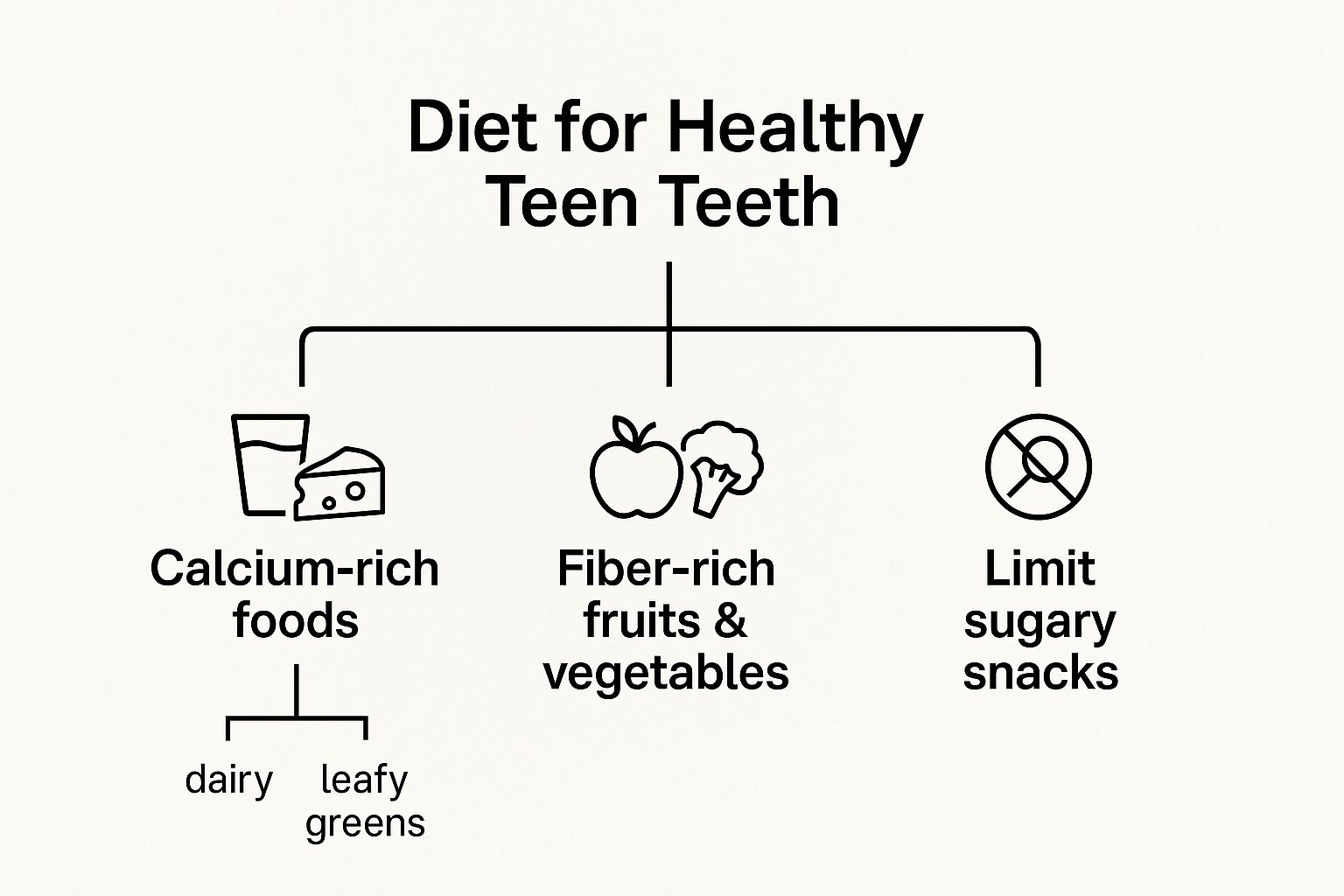
As you can see, loading up on calcium-rich and high-fiber foods strengthens teeth from the inside, while steering clear of super sugary or hard, crunchy foods prevents broken brackets and wires. Making these smart swaps doesn't just help the treatment succeed; it also builds great eating habits for life.
Understanding Wisdom Teeth and Dental Sealants

As teenagers move toward their adult years, their mouths undergo a couple of final, major milestones. Two of the most common topics we discuss with families during this stage are wisdom teeth and dental sealants. While they might sound a bit technical, getting a handle on them is actually pretty simple and a huge part of smart dental care for teenagers.
You can think of these as two different but equally important strategies. One deals with managing a new development, while the other acts as a powerful preventative shield. Knowing what’s on the horizon helps take the anxiety out of the equation for everyone, turning potential problems into simple, planned-out steps.
The Truth About Wisdom Teeth
Wisdom teeth, or third molars, are the last set of teeth to show up to the party. They typically try to make an appearance sometime between the ages of 17 and 25. The biggest hang-up? Our modern jaws just don't have the same amount of space our ancestors did, so there’s often no room for them.
This lack of real estate can cause a domino effect of issues:
- Impaction: The tooth gets stuck under the gumline or jawbone, completely unable to break through properly.
- Crowding: As the wisdom tooth tries to squeeze in, it can push neighboring teeth out of alignment, sometimes messing up years of hard work with braces.
- Infection: Sometimes a wisdom tooth only pokes through partially, creating a little gum flap that’s a magnet for trapped food and bacteria. This can lead to a pretty painful infection.
This is exactly why we start keeping a close eye on their development with X-rays during the mid-teen years. If it looks like trouble is on the horizon, having them removed is usually the smartest and safest bet. I know the idea of oral surgery sounds scary, but it's an incredibly common procedure designed to head off future pain and more complex problems. If you're ever worried about an urgent problem, our team can guide you; you can learn more about what to do in a dental emergency in Glendale.
Dental Sealants: A Superpower for Prevention
While dealing with wisdom teeth is often a reaction to a developing problem, dental sealants are all about getting ahead of the game. The best way to picture them is as a thin, protective raincoat for your teen’s back teeth. The chewing surfaces of molars are naturally full of tiny, deep grooves—which are basically perfect hiding spots for plaque and cavity-causing germs.
A sealant is a safe, plastic-based coating that we simply paint onto these surfaces. It's a quick, totally painless process with no drilling involved. It literally "seals out" the food particles and bacteria that cause decay.
Applying sealants is one of the single most effective things we can do to prevent cavities, especially for teens who are often at a higher risk. It’s a simple, non-invasive step that provides a powerful defense for years, ultimately saving you time, money, and the hassle of fillings down the road.
The Importance of Regular Professional Checkups
Even with the best at-home routine, think of your dentist and hygienist as your teen’s personal oral health coaches. They're not just there for when a toothache strikes; they're essential allies in keeping small issues from snowballing into big, painful problems.
These visits are all about prevention. Even the most dedicated brusher and flosser can’t remove every trace of plaque. Over time, that sticky film hardens into tartar, a tough, cement-like deposit that only professional tools can safely scrape away. A professional cleaning is one of the surest ways to head off cavities and gum disease before they start.
Looking Beneath the Surface
A modern dental checkup for a teen is so much more than just a quick polish. One of the most critical parts of the visit is the periodic X-ray, which gives us an indispensable look at what’s happening where we can't see.
These images are our secret weapon for spotting things like:
- Hidden cavities wedged between teeth where a toothbrush can't reach.
- Impacted wisdom teeth that are growing in sideways or are stuck in the jaw.
- The overall health of the jawbone that supports your teen's smile.
These regular appointments also help build a positive, lifelong attitude toward dental care. We know that consistency can be a challenge. In fact, from 2020 to 2022, dental visit rates for children with special healthcare needs saw a noticeable dip, showing just how easily routines can be disrupted. You can discover more insights about pediatric dental care trends and see why maintaining this connection is so important.
Creating a Safe Space for Questions
We want our office to be a place where your teen feels comfortable asking anything—no matter how small it seems. Whether they're curious about teeth whitening, worried about bad breath, or just want to know what to expect during their next visit, we're here to give straight, non-judgmental answers.
By building this trust, we help teens view their dentist not as someone to fear, but as a genuine partner in their overall health. It’s an approach that turns potential emergencies into manageable conversations.
Catching concerns early is always the best path forward. Of course, if something unexpected does happen, knowing who to call for help is crucial. It’s a good idea to know what constitutes emergency dental care in Glendale before you ever need it.
Your Teen Dental Care Questions, Answered
As your child moves into their teenage years, their dental care needs start to change. It's completely normal for both parents and teens to have questions about what comes next. Let's walk through some of the most common things that come up.
How Can I Get My Teenager to Actually Care About Brushing?
The key is to connect oral hygiene to what they already care about: their social life and appearance. Instead of just nagging about cavities, frame it as part of their grooming routine. Good brushing and flossing mean a brighter, more confident smile and, maybe most importantly, fresh breath.
Making the routine itself more interesting can also work wonders. Upgrading them from a manual brush to a cool electric toothbrush or a water flosser can make the whole process feel less like a chore and more like using a new gadget.
Are Sports Drinks and Energy Drinks Really a Big Deal for Teeth?
Yes, they are a huge problem. Honestly, these drinks are one of the biggest reasons we see a spike in cavities among teenagers. They're a double threat: they're loaded with sugar that feeds plaque-causing bacteria, and they're also highly acidic, which erodes tooth enamel directly.
Encourage them to stick with water for hydration. If they do have a sports or energy drink, get them into the habit of swishing with water right after to help wash away the sugar and neutralize some of that acid.
Expert Advice: Don't underestimate the damage from acidic drinks. The best defense is making water the go-to choice for hydration. This protects their enamel from a constant barrage of erosive attacks.
When Do We Need to Start Thinking About Wisdom Teeth?
We typically start keeping a close eye on wisdom teeth with X-rays when your teen is between 15 and 18 years old. This early monitoring is crucial. It lets us see how the teeth are developing, if they're coming in at a bad angle, or if there isn't enough room for them.
Catching potential problems like impaction or crowding early on means we can make a calm, proactive plan for removal if it's needed, rather than waiting for pain to start.
Is It Safe for My Teen to Whiten Their Teeth?
While a lot of the whitening strips and kits you see at the store are generally safe, it's always best to have a chat with your dentist first. We can do a quick check to make sure your teen’s teeth and gums are healthy enough for whitening.
This step is important because it helps avoid issues like tooth sensitivity or even damage to the gums. Plus, we can recommend the safest and most effective options, whether it’s an over-the-counter product or a professional treatment.
At Beyond Dental Care, we're here to partner with your family and guide your teen through every milestone of their dental health. From routine checkups to wisdom teeth evaluations, we've got it covered. Schedule a visit to create a personalized plan for your teen's smile at beyonddentalcare.com.