
A temporary tooth replacement is exactly what it sounds like: a placeholder for your smile. It elegantly bridges the gap between losing a tooth and getting your final, permanent restoration. Think of it as a crucial, short-term solution that keeps you looking and feeling your best while you wait for a dental implant or bridge to be crafted and placed.
Understanding the Purpose of a Temporary Tooth
The best analogy for a temporary tooth is a spare tire on your car. You wouldn't drive across the country on it, but it’s absolutely essential for getting you safely from the side of the highway to the mechanic. In the same way, a provisional tooth isn't meant to last forever, but it plays an indispensable role in your dental treatment journey.
Leaving a gap in your smile, even for just a few weeks, can set off a chain reaction of dental problems. A temporary tooth is designed to stop these issues before they start, ensuring your path to a permanent fix is as smooth and predictable as possible.
This need is growing. The global tooth replacement market, which includes these essential provisional solutions, was valued at around USD 16.9 billion in 2024. Experts predict it will soar to USD 35.9 billion by 2034, driven by a greater focus on aesthetics and an aging population seeking reliable dental care. You can read more about these tooth replacement market trends to see where the industry is headed.
So, when would you actually need one? Here’s a quick breakdown of the most common scenarios.
Quick Guide to Temporary Tooth Replacement Situations
| Situation | Primary Reason for a Temporary Tooth |
|---|---|
| After a Tooth Extraction | To protect the healing socket and prevent neighboring teeth from shifting. |
| During Dental Implant Healing | To cover the implant site while the jawbone integrates with the post (osseointegration). |
| While a Permanent Crown/Bridge is Made | To protect the prepared tooth and maintain aesthetics between appointments. |
| For Severe Tooth Damage | To provide a temporary fix while a long-term treatment plan is developed. |
These situations highlight the functional and protective role these temporary devices play, making them a standard part of modern restorative dentistry.
Key Reasons for a Temporary Tooth
Your dentist will recommend a temporary tooth replacement for several critical reasons. Each one is a building block for the overall success of your final restoration and is vital for protecting your oral health in the meantime. These devices are far more than just cosmetic stand-ins.
The primary purposes include:
- Maintaining Aesthetics: Let's be honest—a visible gap, especially in the front of your mouth, can be a major confidence killer. A temporary tooth immediately restores your smile so you can go about your social and professional life without feeling self-conscious.
- Preventing Teeth from Shifting: An empty space in your dental arch is like a vacuum. It practically begs the adjacent teeth to start tilting or drifting into the opening. This movement can throw your bite out of alignment and create major headaches when it's time to place your final restoration.
- Protecting the Healing Site: After a tooth is pulled or an implant is placed, the gums and underlying bone are incredibly vulnerable. A temporary tooth acts as a bandage, shielding the sensitive area from food debris, bacteria, and pressure while it heals properly.
- Restoring Basic Function: While you won't be chewing steak with it, a temporary replacement makes a big difference. It helps you chew soft foods more comfortably and speak clearly without the lisp or whistle that a gap can cause, bringing a welcome sense of normalcy back to your daily routine.
Exploring the Different Types of Temporary Teeth
When you find yourself needing a temporary tooth, it’s good to know you have options. It’s not a one-size-fits-all situation. Your dentist will look at where the missing tooth is, how long you’ll need a stand-in, and your budget to recommend the best fit. Knowing what’s available ahead of time helps you have a much better conversation about your treatment plan and feel confident about the path forward.
Modern cosmetic dentistry is always pushing for solutions that work well and look great. You can see this progress in the industry's growth alone—the global tooth replacement market was valued at USD 13.26 billion in 2023 and is expected to hit USD 24.17 billion by 2032. Innovations like 3D printing are making temporary prosthetics more precise and easier to get than ever.
So, let's walk through the most common types of temporary teeth you'll encounter.
Dental Flipper: The Removable Stand-In
A dental flipper is probably one of the most common and straightforward ways to temporarily replace a tooth. Just think of it as a simple, removable partial denture, usually designed to fill in for one or two missing teeth. It’s made up of a pink, gum-colored acrylic base with a tooth attached, fitting snugly against the roof of your mouth or along your lower jaw.
It gets its name because you can technically "flip" it in and out with your tongue, but please don't! It’s held securely in place by little clasps that grip the teeth next to the gap.
Key Takeaway: A flipper is often the quickest and most affordable temporary fix. It's a great short-term solution for cosmetic purposes while you're waiting for something more permanent, like a dental implant or bridge.
Essix Retainer: A Clear and Discreet Option
If you're worried about aesthetics and want something less obvious than a flipper, an Essix retainer could be the perfect choice. This device is a clear plastic tray that is vacuum-formed to fit perfectly over your entire arch of teeth, looking a lot like an Invisalign aligner. The fake tooth is bonded right inside the tray, so it fills the gap without any tell-tale signs.
Because it's totally transparent and has no visible clasps, an Essix retainer is a fantastic cosmetic option, especially for missing front teeth. It’s comfortable, but keep in mind it’s not built for chewing.
Temporary Dental Bridge: The Fixed Solution
Unlike a flipper or an Essix retainer, a temporary dental bridge is fixed in your mouth—you can’t take it out at home. It literally “bridges” the space left by a missing tooth. Your dentist will cement it to the adjacent teeth, which are typically already prepped to receive permanent crowns. This gives you excellent stability for both eating and speaking.
These bridges are usually crafted from materials like acrylic or composite resin. While they provide a very sturdy temporary replacement, they are just one step in the process of getting a permanent bridge. To get a better feel for how these temporary fixes work, it’s helpful to understand the key differences between temporary crowns and permanent crowns.
Snap-On Smile: A Full-Arch Cosmetic Cover
For a more dramatic cosmetic transformation, there’s the Snap-On Smile. This is a thin but impressively strong resin shell that fits over your entire upper or lower row of teeth. It's designed to hide a variety of issues at once—gaps, stains, and even crooked teeth.
It’s completely removable and is generally seen more as a cosmetic appliance than a purely functional temporary tooth. Think of it as an instant smile makeover you can wear whenever you want.
The Step-by-Step Process of Getting a Temporary Tooth
Wondering what’s involved in getting a temporary tooth? Knowing what to expect—from the first chat with your dentist to walking out with a placeholder smile—can take a lot of the stress out of the process. Think of it as a well-planned journey, designed for your comfort and to set the stage for your permanent tooth. It usually happens over just a few key appointments.
The whole thing kicks off with a detailed look at your mouth. Your dentist isn’t just staring at the empty space; they’re checking out the health of the teeth next door, your gums, and the jawbone underneath. This first meeting is where the entire plan for your new smile begins.
Step 1: Initial Consultation and Impressions
Your first visit is all about making a plan. Your dentist will conduct a thorough exam, often using digital X-rays or even 3D scans to get a crystal-clear picture of your oral anatomy. This helps them figure out the best type of temporary tooth for your unique situation.
Once you have a plan, it's time for impressions. This might be done the old-school way with a putty-like material, or with a high-tech digital scanner. These impressions are like a perfect blueprint, making sure your temporary tooth will fit just right and blend in naturally with your other teeth. It's a critical step for creating something that feels as good as it looks.
Step 2: Preparing the Site and Tooth
What happens next is all about your specific treatment plan. If you have a damaged tooth that can't be saved, the extraction will happen at this point. For patients who are on track for a dental implant, this is the appointment where the implant post is surgically placed into the jawbone.
It’s during this healing phase—which can take anywhere from several weeks to a few months—that a temporary tooth becomes so important. It acts as a shield, protecting the sensitive area from food and bacteria. It also keeps neighboring teeth from drifting into the gap, which could cause major headaches for fitting your final tooth later on.
This chart can help you see which temporary tooth might be the right fit, depending on your needs, timeline, and budget.
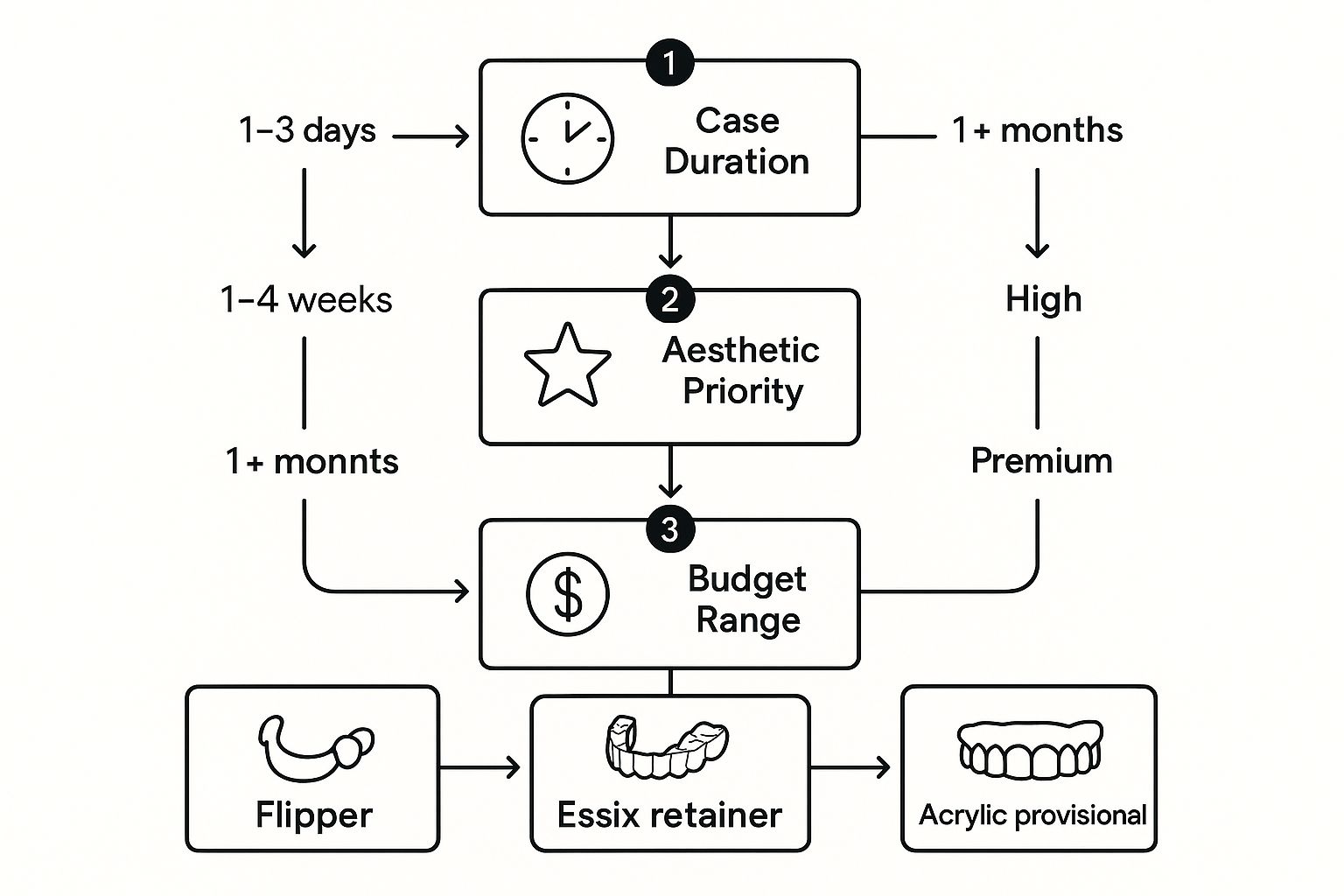
As you can see, things like how long you'll need it and how much you care about looks will guide the choice between a quick dental flipper, a nearly invisible Essix retainer, or a more durable acrylic provisional.
Step 3: Fabrication and Final Fitting
While you're healing, the dental lab is busy at work. A skilled technician uses the impressions from your first visit to handcraft your custom temporary tooth. For straightforward options like a dental flipper, this can be done pretty quickly. More involved temporary bridges might take a little more time to get just right.
When your temporary is ready, you'll come back in for the final fitting. Your dentist will pop it in, checking to make sure the fit is snug and your bite feels normal. They’ll make any small adjustments right there in the chair to ensure it doesn’t mess with your speech or chewing. You'll walk out of that appointment with your smile back in place, ready to go about your life while you wait for your permanent solution.
The Pros and Cons of Using a Temporary Tooth Replacement
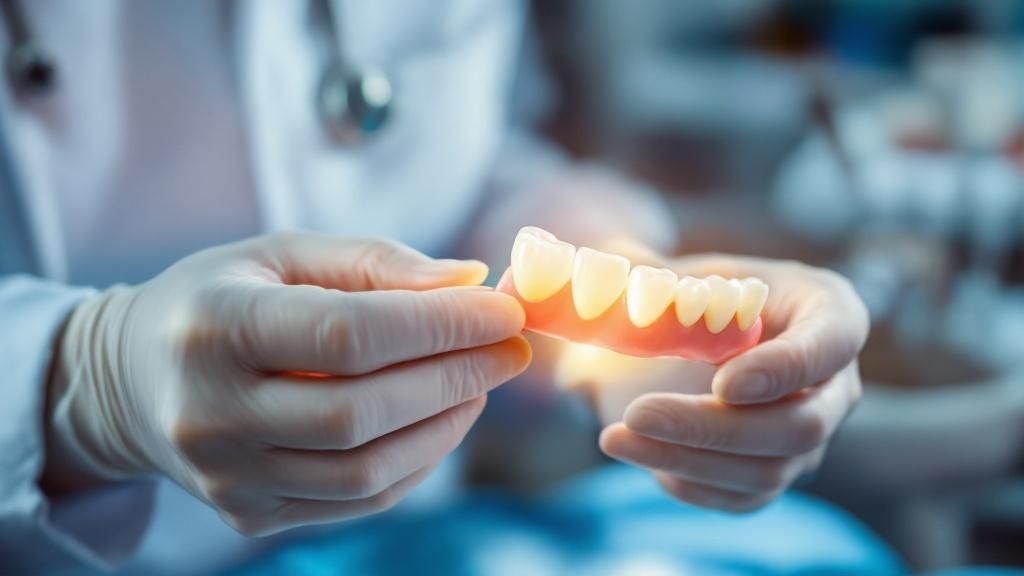
Deciding on a temporary tooth replacement is a common and important step in many dental restoration plans. Think of it as a crucial placeholder on the journey to your final, permanent smile. And while these provisional teeth are absolutely essential, it helps to have a realistic view of what they can—and can't—do.
Understanding the good and the bad helps you manage your expectations and appreciate the role these devices play during your healing process. Essentially, you’re making a smart trade-off: you get the immediate confidence of a full smile in exchange for a short-term solution that isn't as tough as a permanent tooth.
The Clear Advantages of a Provisional Tooth
Let's start with the most obvious win: the immediate cosmetic improvement. Walking out of the dental office without a glaring gap in your smile can do wonders for your confidence. It means you can get back to speaking, laughing, and socializing without feeling self-conscious.
But it’s not just about looks. These temporary solutions serve a critical structural purpose. They hold the line, preventing the neighboring teeth from drifting or tilting into the empty space. Without a placeholder, that shifting can mess up your bite and make the final restoration much more complicated.
They also act as a protective bandage for the sensitive gum tissue and underlying bone, especially after an extraction or implant surgery. This shield not only makes healing more comfortable but also helps preserve the natural shape of your gum line, which is key for a great-looking final result.
Understanding the Potential Drawbacks
Of course, any temporary fix comes with a few trade-offs. The biggest one is durability. Provisional teeth are usually made from materials like acrylic or resin, which aren't built for heavy-duty chewing. They can break, chip, or come loose if you aren't careful.
You might also go through a brief adjustment period. Having a new appliance in your mouth can feel a bit bulky at first. Some people notice minor discomfort or a temporary lisp as their tongue gets used to the new shape. The good news is this feeling is usually short-lived.
Important Consideration: You’ll need to make some temporary lifestyle changes to protect your provisional tooth. This means sticking to a soft-food diet and avoiding anything hard, sticky, or crunchy that could damage the appliance.
To give you a clear, at-a-glance summary, we’ve put together a simple table outlining the pros and cons.
Comparing the Pros and Cons of Temporary Dental Solutions
This table offers a straightforward, side-by-side look at the benefits and drawbacks of using a temporary tooth replacement.
| Advantages (Pros) | Disadvantages (Cons) |
|---|---|
| Immediate Aesthetic Improvement | Potential for Discomfort or Irritation |
| Protects the Healing Surgical Site | Not as Durable as a Permanent Tooth |
| Prevents Neighboring Teeth from Shifting | Requires Dietary Restrictions (Soft Foods Only) |
| Restores Confidence and Basic Function | May Cause Temporary Speech Impediments |
In the end, a temporary tooth replacement is an indispensable tool on your path to dental health. By understanding both its strengths and limitations, you can better appreciate its function as a vital placeholder on the way to a beautiful, lasting smile.
Caring for Your Temporary Tooth to Ensure Longevity
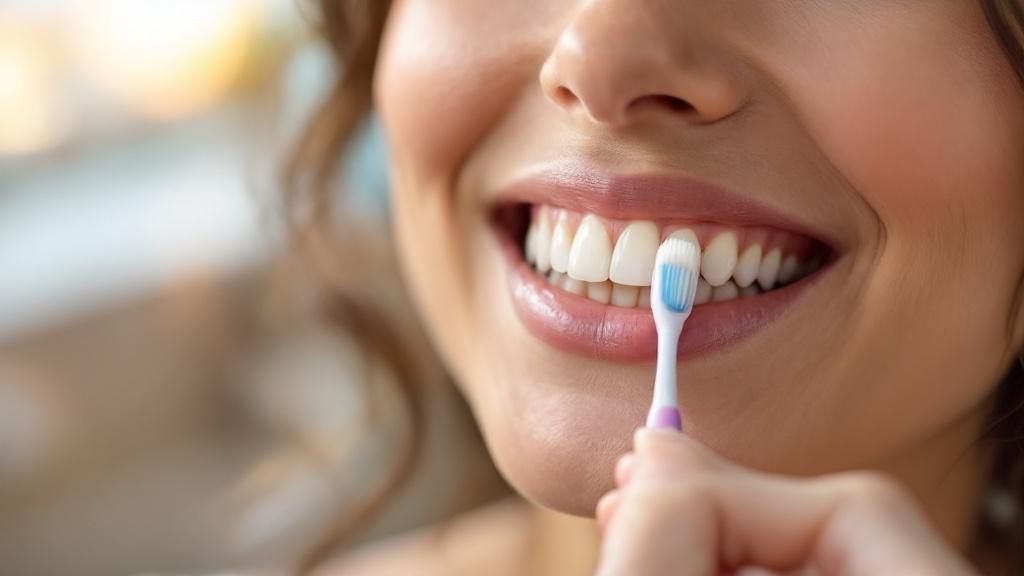
Think of your temporary tooth replacement as a delicate guest in your mouth. It’s there to help, but it definitely needs some special treatment to do its job right. Taking good care of it isn't just a suggestion—it's absolutely essential to make sure your temporary lasts until your permanent restoration is ready to go. If you neglect it, you risk damage, discomfort, and even delays in your overall treatment plan.
The good news? Caring for your temporary is pretty straightforward. It just requires a little extra mindfulness in your daily routine. By making a few small adjustments, you can easily protect your investment and ensure a smooth transition to your final, beautiful smile.
Gentle Cleaning Techniques
Keeping your temporary tooth clean is your top priority. Plaque and bacteria don't care if a tooth is real or provisional, so diligent hygiene is a must. The key word here, however, is gentle.
You'll want to use a soft-bristled toothbrush and non-abrasive toothpaste. When you're brushing around the temporary, use careful, light strokes. Really focus on cleaning the area where the temporary meets your gum line, as this is a prime hiding spot for bacteria.
Flossing requires a bit of a special technique. Instead of pulling the floss up and out from between the teeth (which could pop a temporary crown or bridge right off), you’ll want to thread it through and then gently pull it out to the side. For removable appliances like flippers, take them out and clean them separately with a denture brush and cleanser.
Crucial Tip: Never, ever use hot water to clean a removable temporary tooth. The heat can easily warp the acrylic material, messing up the fit and making it uncomfortable or even unusable.
Foods to Avoid With a Temporary Tooth
Your temporary tooth is simply not built for heavy lifting. It's made from less durable materials than a permanent restoration, which makes it pretty vulnerable to certain foods. Protecting it just means making some smart dietary choices for a few weeks.
Here are the main culprits to steer clear of:
- Hard Foods: Things like nuts, hard candies, ice cubes, and popcorn kernels are a no-go. Biting down on any of these can easily crack or break your temporary.
- Sticky Foods: You’ll have to say goodbye to caramels, taffy, and chewing gum for a little while. These are notorious for pulling a temporary right off its post or clasps.
- Tough and Chewy Foods: Items like a tough steak, dense breads (think bagels), and dried fruit require too much chewing force and can dislodge or damage the appliance.
What to Do if Your Temporary Comes Loose
Even if you’re being super careful, accidents can happen. If your temporary tooth replacement becomes loose or falls out completely, do not panic. And just as importantly, don’t try to be a hero and fix it yourself with super glue—this can seriously damage the appliance and even harm your natural teeth.
Your first and only step should be to call your dentist immediately. They will get you in for an appointment to have it professionally re-cemented or repaired. Be sure to save the temporary and bring it with you. Going without it for too long can allow your other teeth to shift, which might complicate things when it’s time to place your final restoration.
Understanding the Costs of Temporary Tooth Replacement
One of the first questions on every patient's mind is, "How much is this going to cost?" It's a completely fair question. The price for a temporary tooth replacement isn't a single, fixed number; it's a bit of a moving target, influenced by a few key factors that are unique to your specific situation.
Think of it less as a standalone purchase and more like an essential part of your bigger dental treatment plan. The investment in a temporary tooth is often rolled into the total cost of your permanent restoration, whether that’s a dental implant or a bridge. This approach makes sure your entire treatment journey is seamless from start to finish.
The need for these temporary solutions is more common than you might think. The global market for dental implants—the permanent fixes that almost always require a temporary—was valued at USD 6.7 billion in 2024. It's projected to climb to USD 10.48 billion by 2030. This growth shows just how often these provisional devices are used to protect a healing site and keep you smiling while you wait for the final implant. You can discover more insights about dental implant market trends to see why these treatments are a cornerstone of modern dentistry.
Key Factors Influencing Cost
Several things will determine the final price tag for your temporary tooth. Your dentist will walk you through a detailed breakdown based on your personal needs.
Here are the main cost drivers:
- Type of Device: A simple, removable dental flipper is usually the most budget-friendly choice. On the other hand, a fixed temporary bridge or a clear Essix retainer will typically cost more because of the materials and detailed lab work required.
- Materials Used: The choice between standard acrylic and higher-end composite resins can impact the price. Materials that are more durable or offer a better aesthetic match will come at a premium.
- Case Complexity: Replacing a single tooth in the front of your mouth is a different ballgame than creating a temporary solution for several missing teeth or even a full arch. The more complex your case, the higher the cost.
- Geographic Location: Just like housing or gas, dental fees can vary quite a bit depending on where you live. The local cost of living and the overhead expenses of the dental practice play a significant role.
Navigating Dental Insurance
Dental insurance can be a huge help, but coverage for a temporary tooth isn't always cut and dry. Some insurance plans see it as a necessary step in a larger covered procedure (like an implant) and will pay for a portion of the cost. Others might classify it as purely cosmetic and offer no reimbursement at all.
Pro Tip: Before you commit to treatment, ask your dental office for the specific billing codes they plan to use. Then, call your insurance provider with those codes and ask them directly if a "provisional prosthesis" or "interim prosthesis" is a covered benefit under your plan. This one simple step can give you total clarity and help you budget without any surprises.
Your Questions About Temporary Teeth, Answered
Stepping into the world of dental restorations can feel a little overwhelming, and it's natural to have questions. Let's walk through some of the most common things patients ask about getting and living with a temporary tooth replacement.
Can I Eat Normally With a Temporary Tooth?
You'll need to make a few adjustments to your diet. While a temporary tooth does a great job of restoring basic function and appearance, it simply isn't built for heavy-duty chewing.
Think of it as a spare tire for your car—it gets you where you need to go, but you wouldn't take it on a racetrack. Stick to a soft-food diet and steer clear of anything hard (like nuts or ice), sticky (like caramel), or tough (like steak) to keep your temporary from breaking or coming loose.
How Long Does a Temporary Tooth Last?
Your temporary tooth is designed to be just that—temporary. Its job is to last for your entire healing period, which might be anywhere from a few weeks to several months.
The lifespan really depends on the material it's made from and how gently you treat it. Think of it as a crucial placeholder, not a permanent fix.
Are Temporary Teeth Noticeable?
Most people are pleasantly surprised by how natural their temporary looks. We craft them to blend right in with your existing smile.
Modern options like an Essix retainer or a well-made temporary bridge are quite discreet. While they won't have the perfect, polished finish of your final restoration, they are a world away from having an obvious gap in your smile.
Key Insight: A temporary tooth has three main jobs: hold the space for your future permanent tooth, protect the healing site, and give you your smile back cosmetically. It’s a critical part of the process, but it needs gentle care to do its job right.
What Should I Do if My Temporary Falls Out?
First, don't panic! It can happen. The most important thing is to call your dentist right away.
Whatever you do, don't try to reattach it yourself with super glue or other household adhesives. This can cause serious damage to the temporary appliance, your gums, and the underlying tooth. Your dentist will get you in for a quick appointment to professionally re-cement it and make sure everything is okay.
At Beyond Dental Care, Dr. Dariene Lazore and our entire team are here to guide you through every step of your dental journey, making sure you feel comfortable, confident, and informed. If you're looking at dental restoration options and want expert advice on the best solutions for your smile, we invite you to schedule a consultation with us today. Learn more at https://beyonddentalcare.com.