
That sudden, sharp tooth pain can spark immediate panic, but not every dental issue requires a siren-blaring emergency response. Some problems can wait for a regular appointment, while others need attention now. Knowing the difference is key to protecting your health.
So, how can you tell? We see patients in our office dealing with this all the time, and the answer often comes down to a few critical signs.
Knowing When You Need Urgent Dental Care
Let’s be honest—in the heat of the moment, distinguishing between a minor inconvenience and a true dental emergency can feel impossible.
Imagine waking up to a swollen jaw, a throbbing toothache that kept you up all night, or having a tooth knocked out during a weekend game. These scenarios go way beyond simple discomfort. They're clear signals that you need professional help right away.
The key is to assess the severity. A tiny chip on a back molar that doesn't hurt? That can probably wait. But certain red flags demand immediate action.
Critical Signs of a Dental Emergency
Ignoring serious symptoms is a recipe for disaster. It can lead to more complex problems, widespread infection, or even losing a tooth that could have been saved.
You should seek urgent dental care if you experience any of the following:
- Severe, persistent pain. This isn’t just a minor ache. It's that deep, throbbing pain that over-the-counter pain relievers can't touch. This often points to an infection or abscess.
- Uncontrolled bleeding. If bleeding from your mouth doesn’t stop after applying gentle pressure for 10-15 minutes, it’s a sign of a significant injury.
- Swelling in your face, jaw, or gums. Swelling is a classic sign of infection. If it’s paired with a fever or a bad taste in your mouth, consider it a definite emergency.
- A knocked-out adult tooth. Time is absolutely critical here. Getting to a dentist within the hour gives us the best chance of successfully re-implanting the tooth.
To make things even clearer, sometimes a quick guide can help you decide on your next move.
Emergency or Not? A Quick Dental Symptom Guide
When you're in pain or feeling panicked, it's tough to think straight. Use this quick reference table to help determine if your dental problem requires urgent professional care or if it can wait for a regular appointment.
| Symptom | Level of Urgency | What to Do Now |
|---|---|---|
| Severe, throbbing pain or swelling | High – Emergency | Call an emergency dentist immediately. This could be an abscess. |
| Knocked-out adult tooth | High – Emergency | Call us right away. Try to place the tooth back in the socket or in milk. |
| Bleeding that won't stop | High – Emergency | Apply pressure with clean gauze and seek immediate dental or medical care. |
| Cracked tooth with sharp pain | High – Urgent | Call for an urgent appointment. Avoid chewing on that side. |
| Lost filling or crown | Medium – Urgent | Call to schedule an appointment soon. Keep the area clean. |
| Dull, manageable toothache | Low – Non-Urgent | Call to schedule a regular check-up. You can use OTC pain relief for now. |
| Chipped tooth with no pain | Low – Non-Urgent | Schedule a routine appointment to get it smoothed or repaired. |
This table isn't a substitute for professional advice, but it's a great starting point to assess your situation and take the right first step. When in doubt, it's always best to call.
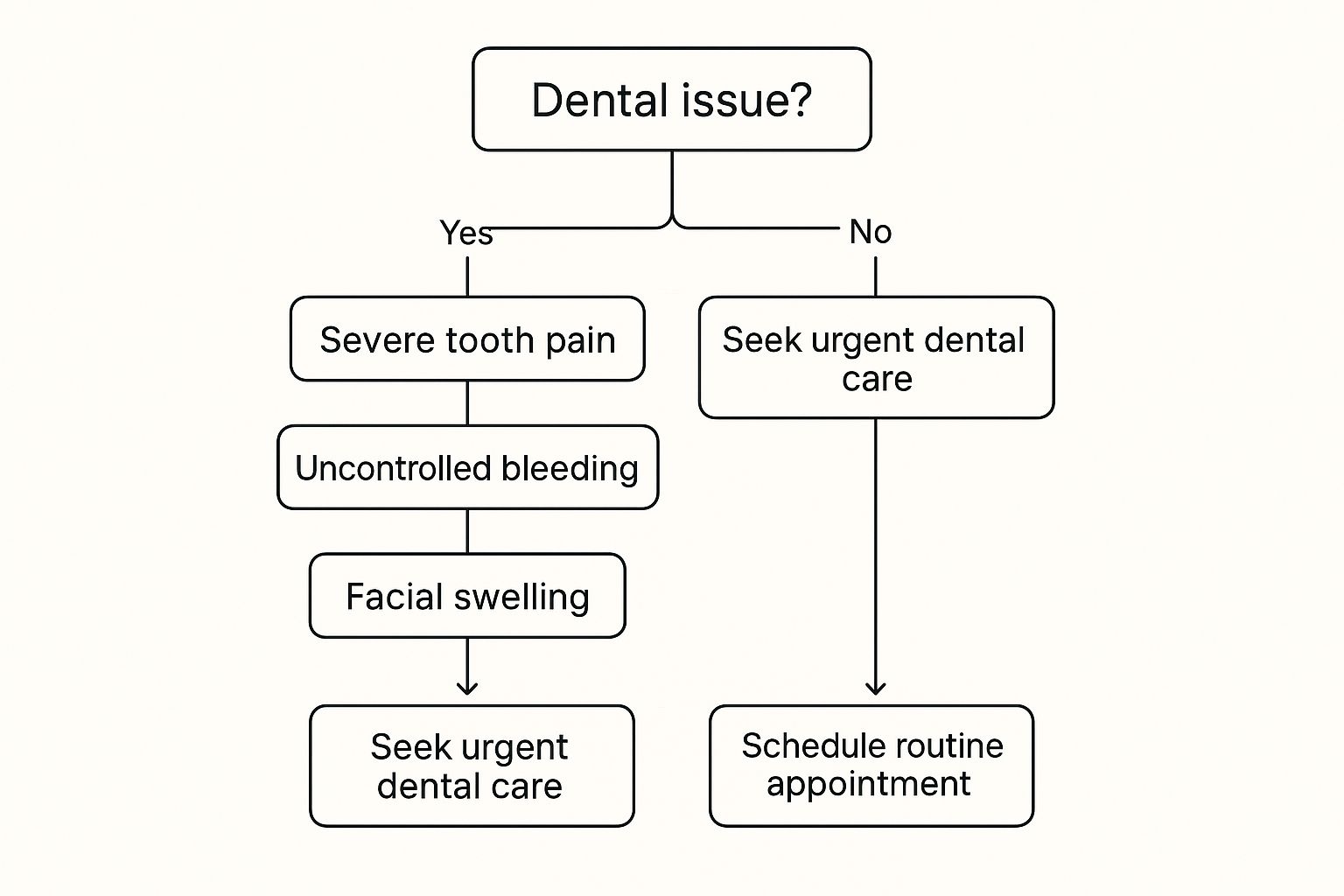
Ultimately, you know your body best. If something feels seriously wrong, trust your instincts and get it checked out. It's always better to be safe than sorry when it comes to your dental health.
What to Do Before You See the Dentist
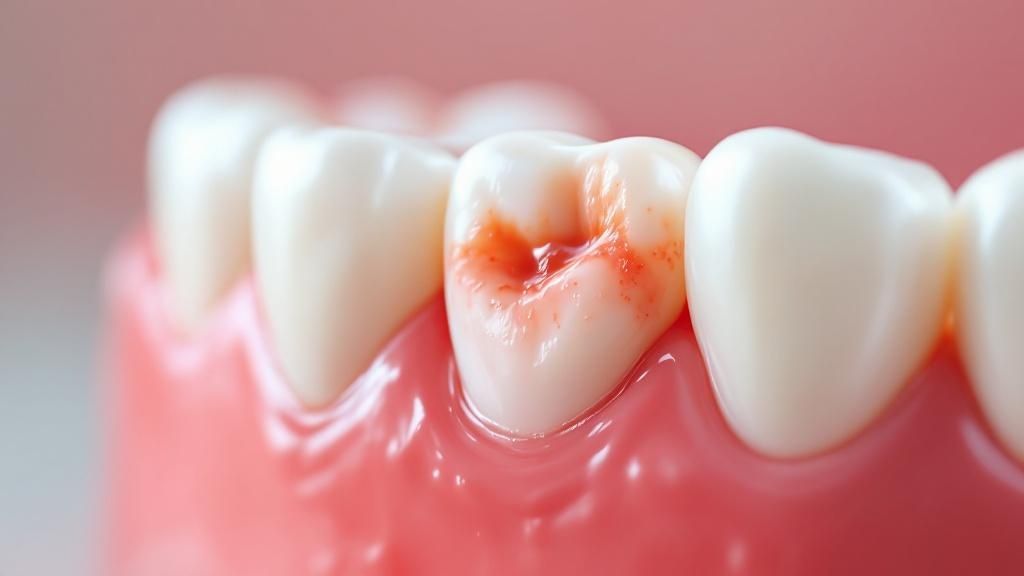
When a dental emergency strikes, what you do in those first few moments can make all the difference. The actions you take before you can get professional help can dramatically affect the outcome—reducing pain, preventing more damage, and often saving your tooth.
Think of it as dental triage. These steps aren't a permanent fix, but they're crucial for managing the situation until you can get urgent dental care. What you do in the first hour is often the most critical part of the whole process.
Handling a Knocked-Out Tooth
If an adult tooth gets completely knocked out, you’re on the clock. The goal is to preserve the tooth and get to a dentist within 30-60 minutes.
First, carefully pick up the tooth by the crown (the part you chew with), never by the root. The root has delicate cells that are vital for reattachment, and touching them can cause irreversible damage. If the tooth is dirty, give it a quick, gentle rinse with milk or water for just a few seconds. Don't scrub it or use any soap.
The absolute best place for a knocked-out tooth is right back in its socket. If you can, gently push it back into place and hold it there by biting down on a clean piece of gauze. If that’s not possible, put the tooth in a small container of milk or a special tooth preservation solution.
Managing Cracked Teeth and Lost Fillings
For a cracked or broken tooth, your immediate priorities are to manage the pain and keep the area clean. Start by rinsing your mouth with warm salt water. This simple step helps clean out debris and acts as a mild antiseptic, soothing the gums.
Is there swelling? Apply a cold compress to the outside of your cheek for about 20 minutes at a time. This will help bring down the inflammation and provide some welcome numbing relief.
When a filling or crown falls out, the tooth underneath can be incredibly sensitive and is left vulnerable. Here’s what to do:
- Protect the tooth: The most important thing is to avoid chewing on that side of your mouth.
- Create a temporary shield: You can find over-the-counter dental cement at most pharmacies. In a pinch, even a small piece of sugarless gum can cover the exposed area, protecting it from air and food.
- Save the crown: If a crown came off, keep it in a safe, clean place. Bring it with you to your appointment, as we can sometimes re-cement it.
Acting quickly and correctly in these situations gives us the best possible chance to restore your smile without complications. To see how our practice is equipped to handle these emergencies, you can learn more about the team at Beyond Dental Care.
The Hidden Dangers of an Untreated Tooth Infection
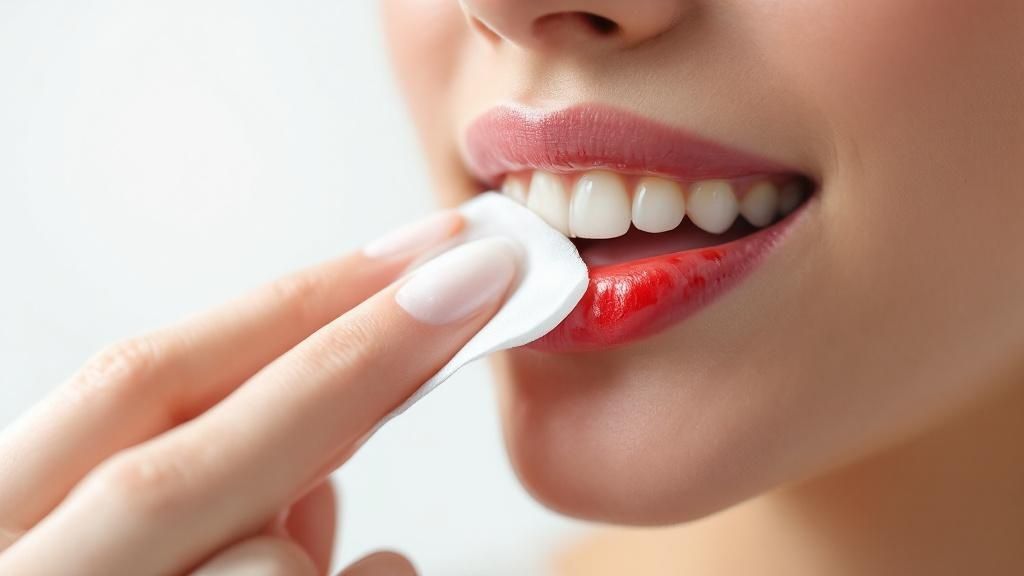
That persistent, throbbing toothache might feel like something you can just power through, but it’s often your body's alarm bell for a much more serious problem. It could be signaling a dental abscess—a pocket of pus deep in the tooth root caused by a nasty bacterial infection. This isn't just a simple cavity; it's a condition that demands immediate attention.
Ignoring an abscess is a huge gamble with your health. The infection won't just stay put. It has the potential to spread from the tooth root into the surrounding tissues, kicking off a cascade of dangerous complications. Think of it like a small fire; if you leave it unchecked, it can quickly rage out of control and cause far more damage than you ever imagined.
When a Tooth Problem Becomes a Body Problem
What starts as a localized issue in your mouth can quickly escalate into a systemic problem that affects your entire body. As the bacteria multiply, the infection can travel into your jawbone, your sinuses, and even down into your neck and bloodstream. This is the point where a dental problem morphs into a full-blown medical emergency.
You'll know it's time for urgent dental care if you start noticing these telltale signs:
- Severe, persistent, and throbbing pain that makes it hard to eat, sleep, or even think straight.
- Visible swelling in your face, cheek, or the lymph nodes in your neck.
- A high fever and a general feeling of being sick and run-down.
- A sudden rush of foul-tasting, salty fluid in your mouth—a sign the abscess has ruptured.
An untreated dental infection is more than just a source of pain; it's a direct threat to your overall health. Delaying treatment allows the infection to spread, potentially leading to a life-threatening condition known as sepsis.
This isn't meant to scare you, but to underscore a critical reality. In the United States alone, there are around 200,000 cases of dental abscesses each year. When these infections aren't managed properly, they carry very serious risks. You can learn more about the seriousness of dental abscesses and their impact and why getting professional care from an expert like Dr. Lazore is so crucial for stopping the infection at its source.
Why an Emergency Dentist Beats the Hospital ER
https://www.youtube.com/embed/N_lv2hMdp18
When a toothache goes from bad to unbearable, your first instinct might be to rush to the nearest hospital ER. It seems like the logical choice, but from my experience, it's often a detour that ends in frustration.
An ER is built to handle medical emergencies, but it's simply the wrong tool for a dental crisis. Hospital staff can offer temporary relief, maybe some pain medication or antibiotics if they suspect an infection. But they can't get to the root of the problem. They don't have the specialized equipment or the dental expertise to perform an extraction, start a root canal, or fix a badly broken tooth.
This gap in care creates a frustrating and expensive cycle. We see patients all the time who went to the ER first. They walk out with a hefty bill for temporary pain relief, only to be told they still need to see a dentist. For a look at how specialized urgent care facilities manage patients more effectively, check out this interesting example in Textla's case study on an Express ER.
The Right Place for the Right Problem
Coming to an emergency dentist first is the most direct path to getting out of pain for good. We're specifically set up to handle the situations that ERs can't, so you get immediate, targeted care that actually resolves the dental issue.
- Definitive Treatment: We can perform extractions, root canals, and complex repairs right here in our office.
- Specialized Tools: Our practice is filled with the diagnostic and treatment technology needed to handle dental emergencies on the spot.
- Saved Time & Money: You skip the cost and delay of a redundant hospital visit that can't solve your problem.
The numbers don't lie. Between 2020 and 2022, U.S. emergency rooms saw an average of 1,944,000 visits for tooth disorders every single year, with adults aged 25–34 showing up the most. This shows a huge demand for urgent dental care that hospitals are not equipped to meet.
Instead of taking a frustrating detour through the ER, your best bet is to contact an emergency dentist directly. This ensures you get expert care from professionals like our own Dariene Lazore, who can diagnose and treat the problem correctly the first time—saving you pain, time, and a whole lot of stress.
How To Find And Afford Urgent Dental Care
When a dental emergency hits, two things immediately race through your mind: finding a dentist who can see you right now and figuring out how you’re going to pay for it. The pain is one thing, but the financial stress can feel just as overwhelming. Having a clear plan makes all the difference.
Your first move should be a quick, targeted online search. Forget generic queries—use phrases like “emergency dentist near me” or “urgent dental care in Glendale” to get the most relevant results. Many practices, including ours at Beyond Dental Care, have specific pages on their websites detailing emergency services and after-hours instructions. It's also a good idea to call your regular dentist first; their voicemail often has exactly what you need for on-call care.
Navigating The Cost Of Emergency Treatment
Worries about the cost should never, ever stop you from getting help for severe pain or an injury. This is a massive issue globally—over 3.5 billion people suffer from oral diseases. Here in the U.S., an estimated 76.5 million adults don’t have dental insurance, which can be a huge barrier to getting timely treatment. You can discover more insights about these dental care statistics to see just how critical accessible care really is.
Even if you don’t have insurance, you have options. The best thing you can do is be upfront with the dental office about your financial situation. Trust me, they've heard it all before and are usually prepared to help you find a solution that works.
The key is to ask questions before treatment begins. A good dental practice will give you a clear cost estimate and walk you through your payment options so there are no surprises later.
When you start that conversation about affordability, here are the most common paths to explore:
- Dental Insurance: If you have it, ask the clinic to verify exactly what your plan covers for emergency procedures. Most have some level of emergency coverage, but your deductible and co-pay will vary.
- In-House Payment Plans: Many dental offices, including ours, offer flexible payment plans. This lets you break down the cost of your treatment into smaller, more manageable monthly payments.
- Third-Party Financing: Services like CareCredit are a popular choice for unexpected dental bills. They work like a credit card just for healthcare expenses and often have interest-free promotional periods.
- Dental Savings Plans: These aren't insurance, but rather membership plans that give you discounts on a wide range of dental procedures at participating offices.
By looking into these avenues, you can build a financial roadmap that lets you focus on what really matters—getting out of pain. For a visual look at what to expect, take a peek at our guide on dental procedures to better understand the type of care you might need.
Your Urgent Dental Care Questions Answered
Even with the best-laid plans, a dental emergency can throw you for a loop and leave you with last-minute questions. We get it. Over the years, we've heard just about every concern imaginable from patients in the middle of a crisis. We’ve put together some quick, clear answers to the most common questions we hear to help you feel ready for anything.
A big worry for many is what to do when disaster strikes outside of a typical 9-to-5 workday. What if a tooth gets knocked clean out at a holiday party, or a throbbing toothache decides to kick into high gear on a Saturday night?
What If My Emergency Happens on a Holiday?
Don’t panic. Most dental practices, like ours, have a clear plan for these exact situations. Your first move should always be to call your regular dentist's office. Often, the voicemail will give you specific instructions or provide an on-call number for urgent help. If you can't get through, a quick search for an "emergency dental clinic near me" or a "24-hour dentist" will point you to practices that are set up to handle urgent dental care when most offices are closed.
Another question we hear a lot is about injuries that seem less severe. Is every chip or crack a reason to rush in?
A small chip on a tooth that isn’t causing any pain usually isn't a true emergency. However, if that chip has left a sharp edge that’s cutting your tongue or cheek, or if the tooth is now sensitive or painful, it’s time to seek care right away. Pain could signal nerve exposure, and that needs professional attention—fast.
How Can I Manage Pain Until My Appointment?
Getting pain under control until you can see a professional is absolutely key. One of the simplest and most effective things you can do is gently rinse your mouth with warm salt water. This helps clean the area and can soothe inflammation.
You can also try these steps for temporary relief:
- Apply a cold compress to the outside of your cheek for 20 minutes at a time. This helps numb the area and brings down swelling.
- Over-the-counter anti-inflammatory medication like ibuprofen can be a great help.
- Crucial tip: Never put an aspirin directly on the tooth or gums. It can cause a painful chemical burn on the soft tissue in your mouth.
You can find more visuals and helpful information in our guide to handling dental injuries.
Finally, it's natural to worry about the cost. The price of emergency treatment really depends on what you need, your insurance, and where you're located. It's always a good idea to ask for a cost estimate before any work begins so you know exactly what to expect.
No matter the question or the time of day, Beyond Dental Care is here to provide the answers and the expert care you need. Contact us immediately for any dental emergency.