
It can be tough to look in the mirror and see a tooth that’s chipped, cracked, or missing entirely. In the simplest terms, restorative dentistry is the area of dental care that focuses on repairing or replacing teeth. The goal is to bring back their natural function and appearance, essentially rebuilding your smile after it’s been compromised by decay, an injury, or disease.
Your Smile's Second Chance
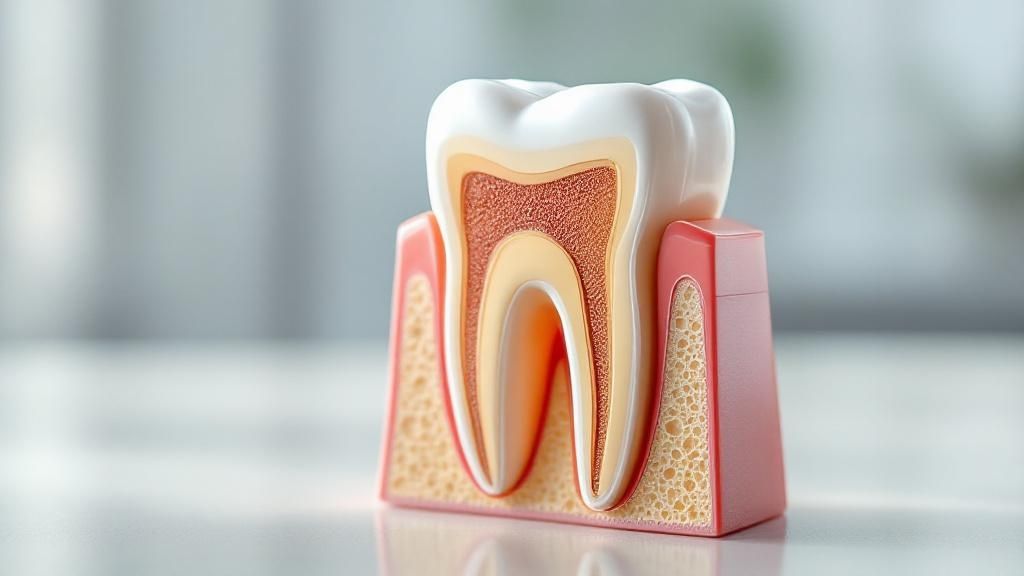
Think of your mouth as a finely tuned machine. When one small part—like a tooth—breaks down, the whole system can get thrown out of whack. Restorative dentistry is like having a master mechanic on hand, ready to meticulously fix that broken part and get everything running smoothly again.
But it’s about more than just patching things up. The real mission is to rebuild the foundational structure of your mouth so you can eat, speak, and smile without a second thought.
The need for this kind of care is more common than you might think. Oral health problems are widespread; in fact, a staggering 90% of Americans have had cavities in their permanent teeth, and roughly 25% are living with untreated decay. These numbers, highlighted in market insights from Coherent Market Insights, show just how many people rely on restorative dental work.
The Core Goals of Restorative Work
So, what is restorative dentistry really trying to accomplish? While a great-looking smile is often a fantastic bonus, the primary objectives run much deeper. It’s all about bringing your mouth back to a state of optimal health and function.
The main goals are to:
- Repair Damage: Fix teeth weakened by cavities, cracks, or chips.
- Replace Missing Teeth: Fill gaps to prevent other teeth from shifting and to avoid bone loss.
- Restore Function: Make sure you can chew properly and speak clearly without pain.
- Alleviate Pain: Get to the root cause of toothaches or sensitivity.
At its heart, restorative dentistry gives your smile a new lease on life. It fixes the functional issues that threaten your oral health, helping you regain comfort and stop more serious problems before they start.
A well-done restoration does more than just fill a space. It integrates seamlessly with your bite, gives support to neighboring teeth, and protects the underlying bone and gum tissue. For those interested in the technical standards that help organize high-quality information online, you can read more about the Open Graph protocol.
The table below breaks down the core functions of restorative work and the everyday problems they solve.
Core Functions of Restorative Dentistry
This summary shows how the primary goals of restorative dentistry directly address common dental issues, improving both health and quality of life.
| Primary Goal | Common Dental Problem It Solves |
|---|---|
| Repairing Tooth Structure | Cavities, cracked teeth, worn-down enamel, or chipped surfaces. |
| Replacing Lost Teeth | Gaps from extracted or knocked-out teeth, which can cause bite issues. |
| Improving Bite Function | Difficulty chewing, jaw pain, or uneven wear on teeth. |
| Preventing Future Problems | Stopping decay from spreading and keeping adjacent teeth from shifting. |
Ultimately, each procedure is designed not just to fix a current problem but to strengthen your entire oral system for the long haul.
Common Restorative Treatments Unpacked
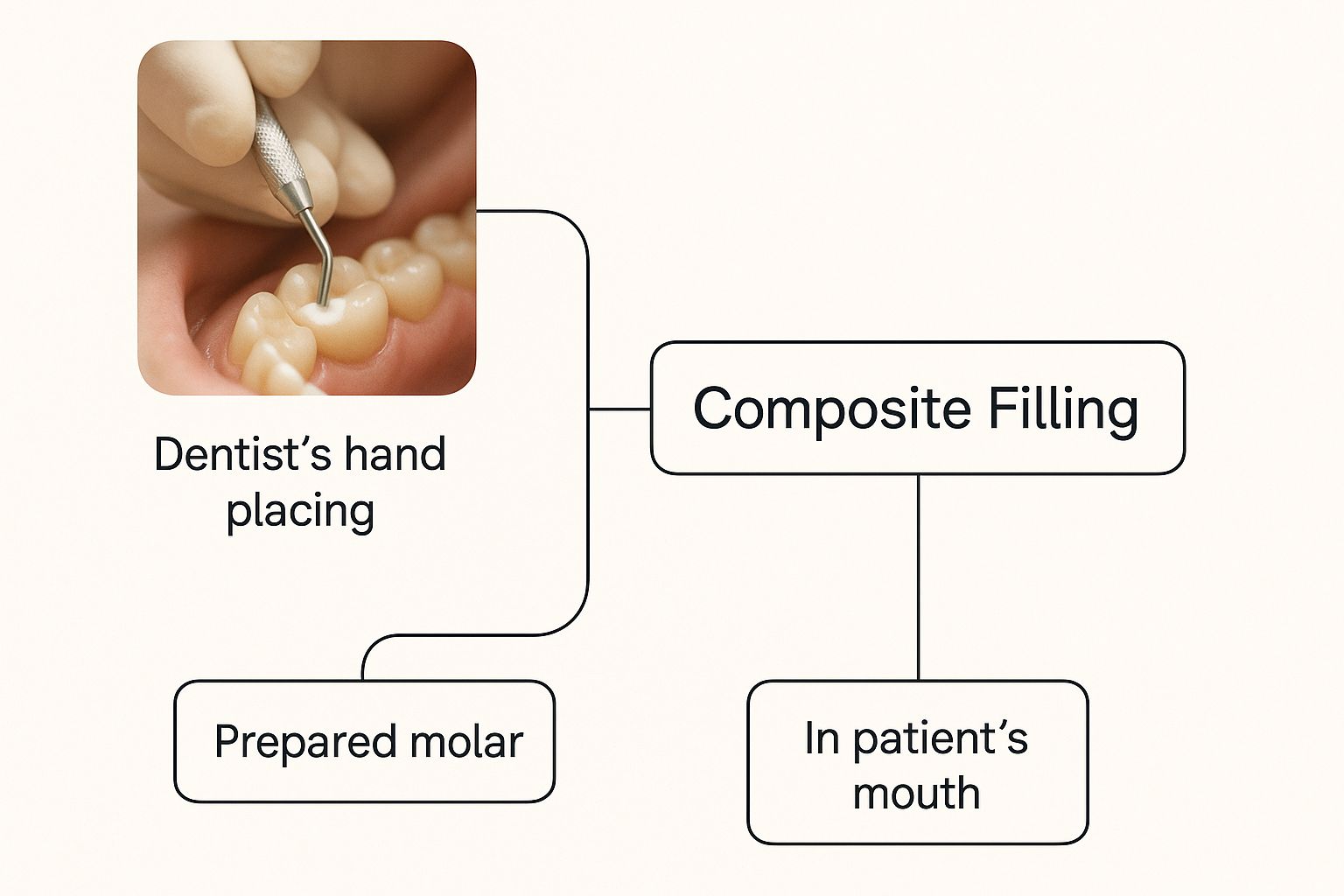
When your dentist starts talking about "restorative treatments," it can sound a bit technical. But really, they're just referring to the specific tools and techniques we use to fix common dental issues. Think of it as a specialized toolbox for everything from a tiny cavity to a missing tooth.
Knowing what these options are can make your conversations with our team feel much more comfortable and straightforward. Let's break down some of the most common procedures you'll hear about in restorative dentistry.
Fillings: The First Line of Defense
A dental filling is easily the most common restorative procedure we perform. It's like patching a small crack in a wall before it turns into a major structural headache.
When a cavity, which is just a small area of decay, starts to form, we gently remove the damaged part of the tooth. The filling material then "fills" in that space, bringing the tooth back to its original shape and strength. This simple step stops the decay in its tracks and helps you avoid more complex treatments down the road.
We almost always use a composite resin for fillings today. This material can be matched to the exact shade of your tooth, so the repair is practically invisible. Gone are the days of obvious silver fillings; now, even basic repairs look completely natural.
Crowns: A Protective Helmet for Your Tooth
Sometimes, a tooth has more damage than a simple filling can handle. Maybe it has a large cavity, a significant crack, or it’s become fragile after a root canal. In these situations, a dental crown is the perfect solution.
A crown is basically a custom-made cap that fits over the entire visible part of your tooth, right down to the gumline. Imagine it as a helmet that encases the weak tooth, restoring its original size, shape, and strength. It protects the tooth from the daily pressures of chewing that could otherwise cause it to break.
A crown doesn't just repair damage; it gives a compromised tooth a second chance. By covering it completely, a crown absorbs daily pressures and allows you to use the tooth confidently without fear of further fracture.
Crowns can be made from a few different materials, each with its own benefits:
- Porcelain: Valued for its incredibly natural, tooth-like appearance.
- Ceramic: A strong, metal-free option that creates a seamless, beautiful look.
- Zirconia: Extremely tough and resistant to chipping, making it a fantastic choice for molars.
Bridges and Implants: Solutions for Missing Teeth
When a tooth is gone completely, our focus shifts from repairing to replacing. The two leading solutions for this are dental bridges and dental implants.
A dental bridge does exactly what it sounds like—it "bridges" the gap left by a missing tooth. It's usually made of a replacement tooth (called a pontic) that's held in place by crowns attached to the healthy teeth on either side of the space. It’s a reliable, time-tested way to restore your smile and ability to chew properly.
However, a dental implant is widely considered the gold standard for replacing a tooth. This involves surgically placing a small titanium post into the jawbone, where it acts as a new tooth root. After the post fuses with the bone—a process called osseointegration—a custom crown is attached to it. This creates a strong, standalone replacement that doesn’t rely on neighboring teeth for support and even helps keep your jawbone healthy.
The Real-World Benefits of Restoring Your Smile

So, what does restorative dentistry actually do for you? Beyond just patching a hole or filling a gap, these treatments are all about giving you back the simple, essential functions you might have lost to dental problems.
Repairing damage is about so much more than just looks; it's about reclaiming your health and comfort. A properly restored smile means you can once again enjoy your favorite foods without pain or second thoughts. Imagine biting into a crisp apple or a juicy steak without wincing or worrying about a weak tooth.
That’s what restorative work delivers. It brings your bite back into balance so you can chew effectively and comfortably—the very first step in healthy digestion.
Improving Your Overall Health and Well-Being
Fixing a tooth isn't just an isolated repair. Your oral health is deeply connected to your body's overall well-being, and leaving damaged or missing teeth untreated can kick off a whole cascade of other issues.
For example, when a tooth is missing, the neighboring teeth naturally start to drift into the empty space. This slow shift can throw your bite out of alignment, leading to jaw pain, chronic headaches, and even TMJ disorders. Gaps in your smile also create hard-to-clean areas, raising your risk for gum disease and future decay.
Restorative dentistry is as much a preventive measure as it is a solution. By tackling problems early, you're actively protecting the long-term health of your entire mouth and stopping more complex issues from ever starting.
Procedures like dental implants go a step further. By replacing a missing tooth root, an implant stimulates the jawbone, which prevents the bone loss that always happens when a tooth is gone. This is crucial for maintaining your facial structure and keeping your jaw strong and healthy for years to come. Of course, getting content noticed online involves a different kind of structure; for a popular SEO plugin that helps with this, you can check out the tools from RankMath.
Boosting Confidence and Quality of Life
The psychological impact of a healthy smile is just as powerful as the physical one. When you feel good about your teeth, it shows. You’re far more likely to smile without hesitation, engage confidently in social settings, and feel poised at work.
Restoring your smile can have a profound effect on your self-esteem and daily happiness. Here are just a few of the ways it improves your quality of life:
- Eliminates Chronic Pain: It gets to the root cause of persistent toothaches and sensitivity.
- Enhances Social Confidence: You can laugh, speak, and connect without feeling self-conscious.
- Restores Normal Function: It empowers you to eat, talk, and live your life without dental limitations.
Ultimately, understanding what is restorative dentistry means recognizing it as a vital investment in your long-term health, comfort, and confidence.
Navigating Your Restorative Treatment Journey
Thinking about any dental procedure, especially one meant to restore your smile, can feel a little daunting. It's completely normal to feel nervous when you're not sure what to expect. Our first job is to pull back the curtain on the entire process, so you can feel comfortable and confident in your decision.
Think of this journey as a true partnership between you and our dental team. It all starts with a conversation. We’ll sit down, listen to your concerns, get a feel for your goals, and answer any questions you have right off the bat. This first meeting is all about creating a personalized game plan for your care.
Your First Steps: The Consultation and Diagnosis
The initial consultation is where everything starts to click into place. This appointment is dedicated to getting a complete and thorough look at your oral health.
We use advanced tools like low-radiation digital X-rays and tiny intraoral cameras to get a crystal-clear picture of what’s going on with your teeth, gums, and jaw. These images let us spot issues that are impossible to see with the naked eye, like decay hiding between teeth or bone loss under the gumline. This is a crucial step in understanding the full scope of your needs and how restorative dentistry can help.
From there, we’ll walk you through your options. This isn’t a lecture; it’s a two-way street. We'll explain what we see, why a certain treatment makes sense, and how it will ultimately help you. You'll have plenty of time to ask questions and tell us what you think. Having the professional insight of an expert like  is key to building a plan you feel genuinely good about.
Crafting Your Personalized Treatment Plan
Once we have all the information, we’ll map out a customized treatment plan just for you. This detailed roadmap lays out every single step of your restorative journey, so there are absolutely no surprises along the way.
Your plan will include:
- A Clear Diagnosis: A straightforward explanation of the dental issues we need to address.
- Recommended Procedures: All the details on the specific treatments, whether it’s a crown, bridge, implant, or filling.
- A Step-by-Step Timeline: An overview of how many appointments you’ll need and what we’ll do at each one.
- Transparent Costs: A clear breakdown of the investment in your health, including any insurance estimates we can provide.
The most important thing to remember is that you are in control. Your treatment plan is a proposal, not a set of marching orders. We work with you to adjust it to your schedule, budget, and comfort level, making sure the final plan is one you’re genuinely excited about.
As you move through your treatment, it's also interesting to see how modern dental offices are improving the way they communicate. To learn more about how technology is making the patient experience better, you can read about advancements in AI customer support in dental practices. This kind of collaborative and tech-supported approach ensures your journey back to a healthy smile is smooth, predictable, and all about you.
The Future of Rebuilding Smiles
The world of restorative dentistry is moving at an incredible pace. Thanks to amazing new technologies, treatments are becoming faster, more precise, and way more comfortable for patients like you. The future is all about getting high-quality, efficient results that blend in perfectly with your natural smile—often without all the lengthy, repeat visits you might expect.
Imagine needing a permanent crown and getting it designed, created, and placed all in a single appointment. This isn't science fiction anymore. It's a reality made possible by CAD/CAM (Computer-Aided Design/Computer-Aided Manufacturing) technology. Using a digital scanner, we create a perfect 3D model of your tooth, design the restoration on a computer, and then mill it from a solid block of ceramic right here in the office.
Smarter Materials and Less Invasive Methods
Beyond just speed, the materials we use to rebuild teeth are getting smarter and stronger. Scientists are developing advanced biomaterials that don't just mimic the look of natural teeth, but also their strength and resilience. These materials are designed to integrate seamlessly with your body for solutions that are both beautiful and built to last. For a look at how our own team brings modern expertise to every treatment, you can see our staff highlight featuring Dariene Lazore.
There's also a huge shift toward minimally invasive techniques. The guiding philosophy here is simple: preserve as much of your healthy, natural tooth as we possibly can. Instead of aggressive drilling, we use advanced bonding agents and precision tools to repair damage while keeping the tooth's original structure intact. This approach not only leads to stronger long-term results but also a much more comfortable experience for you.
The core promise of future restorative care is simple: achieve better, more aesthetic, and longer-lasting results while doing less to the natural tooth. It's about working smarter, not harder, to rebuild your smile.
This focus on innovation isn't just a passing trend—it's driving major growth in the field. The restorative dentistry market is projected to grow from USD 16 billion in 2025 to nearly USD 21.85 billion by 2029. This expansion is fueled by a demand for personalized treatment and a strong aesthetic focus, a trend highlighted in this market analysis on Research and Markets. This forward momentum in understanding what is restorative dentistry ensures patients will continue to receive better, more effective care for years to come.
Frequently Asked Questions About Restorative Dentistry
Even after learning all about what restorative dentistry is, it’s completely normal to have a few more questions pop up. Making decisions about your dental health is a big deal, and we want you to feel 100% confident every step of the way.
Here are some straightforward answers to the questions we hear most often from patients just like you.
At Beyond Dental Care, our entire team is here to make sure you feel clear and comfortable with your care. It's a core part of our patient-first philosophy. If you'd like to see more about our practice's values, you can find our official logo and branding information here.
How Long Do Dental Restorations Last?
This is a great question, and the honest answer is: it depends. The lifespan of any dental work comes down to the specific procedure, the quality of the materials used, and—most importantly—how you care for it at home. While there's no single magic number, we can give you some reliable estimates.
For instance, today's modern composite fillings are impressively strong, often lasting anywhere from 5 to 10 years. A porcelain crown, built to handle more serious chewing forces, can easily last 15 years or even longer with the right care.
But when it comes to longevity, dental implants are in a class of their own. Because they actually fuse with your jawbone, they are considered a permanent fix and can genuinely last a lifetime with proper maintenance.
Getting the most mileage out of your dental work really hinges on your daily habits. It all boils down to:
- Solid Home Care: Brushing twice a day and flossing daily isn't just a suggestion—it's essential.
- Routine Check-ups: Seeing your dentist for regular cleanings and exams lets us catch small issues before they become big problems.
- Being Mindful: Simple things like avoiding super-hard foods and wearing a nightguard if you grind your teeth can add years to the life of your restoration.
What Is the Difference Between Restorative and Cosmetic Dentistry?
We get this question all the time, and it makes sense because the line between the two can definitely get blurry. The easiest way to think about it is to look at the main goal of the treatment.
Restorative dentistry is all about need. Its primary job is to fix damage and bring your teeth back to full health and function. Think of procedures like fillings for cavities, crowns for cracked teeth, or bridges to replace missing teeth. These treatments solve an existing problem.
Cosmetic dentistry, on the other hand, is all about desire. Its goal is to improve the appearance of your smile. Treatments like professional teeth whitening, veneers, or cosmetic bonding are usually things you choose to do to enhance how your smile looks.
The great news is that many of today's restorative treatments have fantastic cosmetic perks built right in. A tooth-colored filling or a beautifully made porcelain crown doesn't just repair a tooth—it blends in perfectly, giving you a natural, seamless look. This overlap means your smile isn't just healthy and functional, but also something you can feel great about showing off.
Here at Beyond Dental Care, our passion is building healthy, beautiful smiles that are made to last. If you’re ready to restore your oral health and get your confidence back, we’d love to help.