
Before we dive into how to fix a gap between your teeth, it’s important to figure out why you have one. That space, which we dentists call a diastema, can show up for all sorts of reasons—from your family genetics to little habits you might not even notice you have. Getting to the root of the issue is the only way to find a fix that actually lasts.
Understanding the Real Reasons for Teeth Gaps
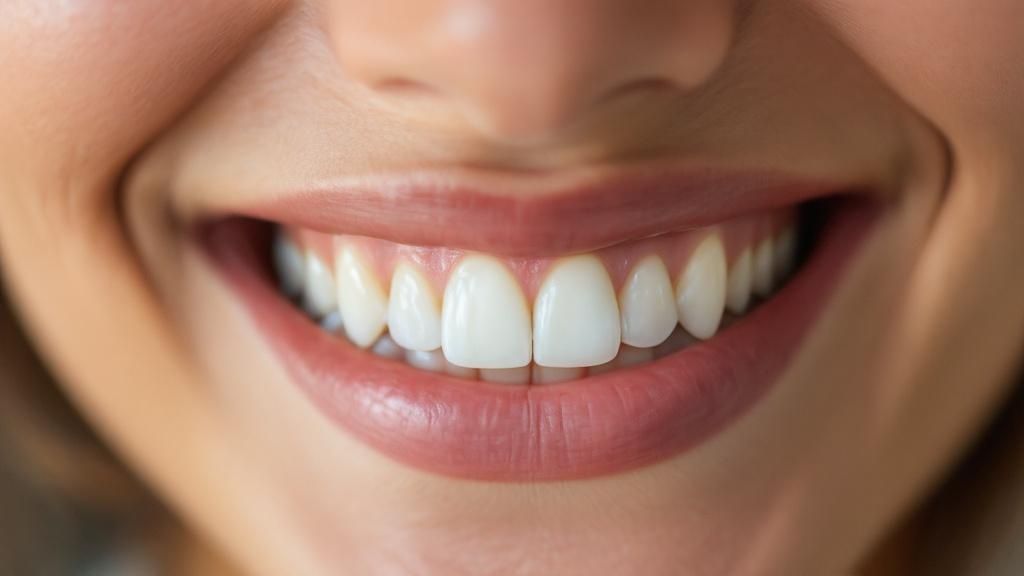
Think of a gap in your smile as more than just a cosmetic quirk; it’s a clue about your unique dental makeup. When we pinpoint the exact cause, we can treat the underlying problem, not just the symptom. This approach leads to a much more stable and successful outcome down the road.
For a lot of people, the answer is simple: genetics. If your parents have gaps, you’re more likely to have them, too. It often comes down to a mismatch between the size of your jaw and your teeth. If your jaw is a bit too large for your teeth, you’ll naturally have some extra room.
Common Causes and Natural Development
Another frequent cause is a missing tooth. Whether a tooth was lost or just never came in, the teeth on either side will often start to drift into that open space, creating new gaps. In other cases, the issue is an oversized labial frenum—that’s the small piece of tissue that connects your upper lip to your gums. If it grows too large and extends between your front two teeth, it can physically prevent them from closing.
Certain habits can play a big role, too. One of the most common is tongue thrusting. This is when you push your tongue against your front teeth every time you swallow. That constant, gentle pressure can slowly but surely push your teeth apart over time, either creating a new gap or making an existing one wider.
A diastema isn't always a problem that needs fixing, especially in kids. It's a completely normal part of their dental development. As the permanent teeth come in, these gaps often disappear on their own without any help.
That gap between the two front teeth, known as a midline diastema, is incredibly common during childhood. In fact, research shows that over 95% of 6-year-olds have one, but it closes naturally for most. By the time they hit their teens, only about 7% still have a noticeable gap. You can explore more data on how these gaps evolve from childhood into adulthood over at Straight Teeth Direct.
Gaps don't always have a single cause. To give you a clearer picture, here’s a quick rundown of the most common reasons they appear.
Common Causes of Teeth Gaps at a Glance
| Cause | Description | Commonly Affects |
|---|---|---|
| Genetics | A size mismatch between the teeth and the jawbone. | Both children and adults. |
| Missing Teeth | Adult teeth that never developed or were lost to injury/decay. | Primarily adults. |
| Oversized Labial Frenum | The tissue between the upper lip and gum is too large. | Mostly the two front teeth. |
| Tongue Thrusting | Pushing the tongue against the front teeth during swallowing. | Both children and adults. |
| Gum Disease | Bone loss from periodontitis allows teeth to become loose and shift. | Primarily adults. |
This table helps illustrate why a professional diagnosis is so important—the right solution depends entirely on the source of the problem.
When Gaps Signal Other Health Issues
Sometimes, a new gap or one that’s getting wider can be a red flag for gum disease. Periodontitis, which is a serious gum infection, can destroy the bone that holds your teeth in place. As that support weakens, your teeth can loosen and start to drift, creating spaces.
This is exactly why you need to see a professional. A dentist can figure out if your gap is just a cosmetic issue or a warning sign of a more serious oral health problem that requires immediate attention. Once the cause is identified, you can confidently move forward with a plan to close that gap for good.
Using Orthodontics to Permanently Close Gaps
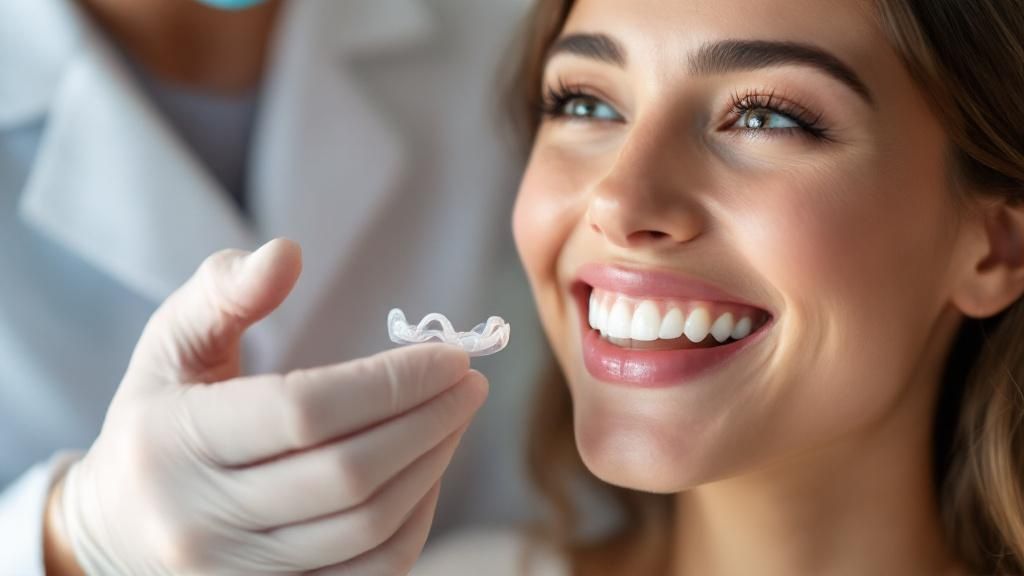
If you're looking for a solution that genuinely fixes the position of your teeth for good, orthodontics is the answer. Unlike cosmetic treatments that simply hide a gap, orthodontic work physically moves your teeth into their correct alignment, closing the space permanently. It’s a comprehensive approach that often resolves underlying bite issues at the same time.
For many people, this is the most effective way to learn how to close teeth gap properly, particularly when the spaces are large or other teeth are crooked. The magic is in the slow, consistent pressure that gently guides your teeth through the bone into a new, stable position.
The Different Types of Braces
When people hear "braces," they usually picture the traditional metal kind. But modern orthodontics gives you several options, each suited for different needs and lifestyles. They all use a system of brackets and wires to move teeth, but they vary in how they look and where they’re placed.
-
Traditional Metal Braces: These are the classics for a reason. Made from high-grade stainless steel, they are incredibly strong and effective for even the most complex cases, including large gaps and significant bite problems. Their sheer durability makes them a highly reliable choice.
-
Ceramic Braces: These work just like their metal counterparts but use clear or tooth-colored ceramic brackets. They're a fantastic choice for adults and teens who want a less noticeable treatment without giving up the effectiveness of traditional braces.
-
Lingual Braces: Want a completely invisible option? Lingual braces are placed on the back of your teeth, hiding them from sight. Each set is custom-made to fit your unique smile and can correct most types of gaps, though they do require a specialist to apply them.
So, who gets what? A patient with a tricky bite issue and a noticeable gap might be best served by traditional metal braces because of their robust power. On the flip side, a professional who does a lot of public speaking might lean toward ceramic or lingual braces for a more discreet look during treatment.
The Treatment Journey and What to Expect
Starting orthodontic treatment is a real commitment, but it’s a journey worth taking. It all kicks off with a detailed consultation, complete with x-rays and impressions, so your orthodontist can map out a precise plan. After your braces are fitted, you'll come in for regular adjustments, usually every 4-8 weeks.
At these appointments, your orthodontist will tweak the wires to keep your teeth moving in the right direction. It's normal to feel a little sore for a day or two afterward—that’s how you know it's working! The total time in braces can vary quite a bit, from several months to a couple of years, depending on the size of the gap and the overall complexity.
The single most important part of your orthodontic journey happens right at the end: wearing your retainer. I can't stress this enough. Failing to wear your retainer as instructed is the number one reason teeth shift back and gaps reappear. Think of it as insurance for your brand-new smile.
Once your braces come off, your teeth need time to settle into their new homes. A retainer holds them steady while the surrounding bone and ligaments firm up. You'll probably wear it full-time at first, then just at night. This final step is absolutely non-negotiable if you want to protect your investment and keep your beautiful, gap-free smile for a lifetime.
Choosing Clear Aligners for a Discreet Solution
For many people, the thought of traditional metal braces is the single biggest roadblock to a straighter smile. If you want to close a gap in your teeth without the obvious hardware, clear aligners are a modern, nearly invisible alternative that fits right into your daily life. It’s become an incredibly popular way for adults and teens to finally get the smile they want.
The process is refreshingly high-tech. It all starts with a precise 3D scan of your mouth—no more goopy, uncomfortable impression trays. This digital map lets your dentist design a step-by-step treatment plan. You'll even get to see a cool simulation of how your teeth will shift and what your final smile will look like before you even begin.
Based on that blueprint, you’ll receive a series of custom-made, clear plastic trays. Each aligner is designed to be worn for about 1-2 weeks before you graduate to the next one. The real magic is in the subtle differences between each tray, which apply gentle, consistent pressure to guide your teeth into their ideal spots.
The Clear Aligner Experience
Life with clear aligners is a world away from traditional braces. Because they're removable, you can take them out to eat, drink, brush, and floss just like you normally would. This is a huge win for keeping your mouth healthy, as there are no brackets or wires to trap food and plaque.
But with great flexibility comes great responsibility. For the treatment to actually work, you have to wear your aligners for 20-22 hours a day. This takes discipline, and it’s something I always make a point to discuss with my patients at Beyond Dental Care. Forgetting to pop them back in or losing a tray can set back your progress and add time to your treatment.
Comfort is another major difference. You’ll definitely feel some pressure when you switch to a new set of trays—that’s how you know it’s working!—but most people find aligners far more comfortable than the metal hardware of braces, which can be notorious for irritating your cheeks and lips.
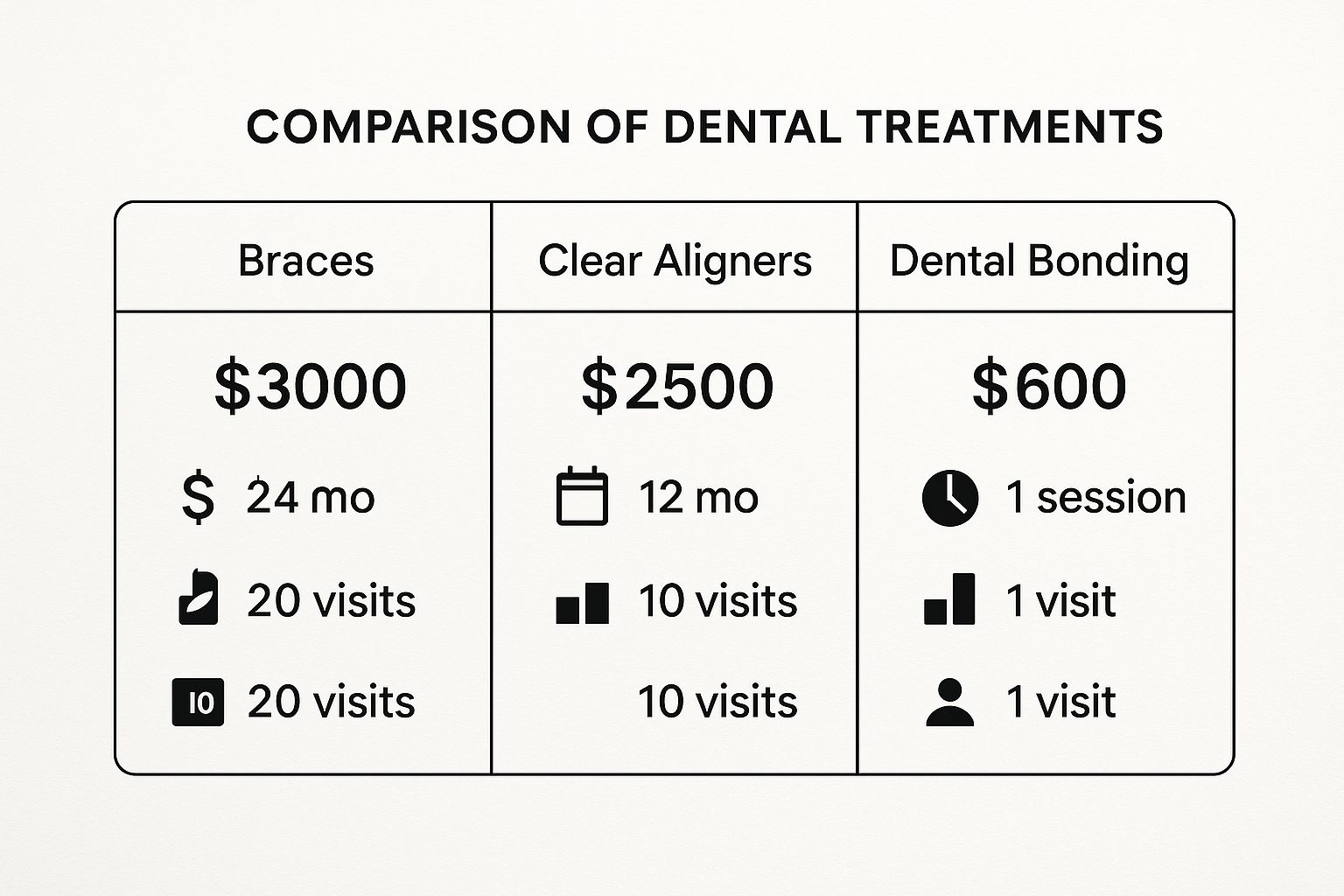
As the infographic shows, clear aligners often hit a sweet spot. They typically offer a more efficient timeline and fewer trips to the dentist than traditional braces, while a cosmetic option like bonding is the quickest and most affordable fix for very minor gaps.
Are Clear Aligners Right for You?
Clear aligners work wonders for mild to moderate gaps and crowding. For example, a small 1-2 mm gap between your front teeth can often be closed in just 3 to 6 months. More complex cases or larger gaps might take closer to a year to resolve.
To help you weigh your options, here’s a quick comparison of the main approaches for closing a teeth gap.
Comparing Orthodontic and Cosmetic Treatments
| Treatment | Best For | Typical Duration | Invasiveness | Permanence |
|---|---|---|---|---|
| Braces/Aligners | Moderate to severe gaps, bite issues | 6 months – 2+ years | Non-invasive | Permanent (with retainer) |
| Dental Bonding | Small, minor gaps; chips | 1 visit (30-60 mins) | Minimally invasive | 5-10 years |
| Veneers | Small to moderate gaps, discoloration | 2-3 visits | Moderately invasive | 10-20+ years |
Ultimately, orthodontic solutions like aligners physically move the teeth for a permanent fix, while cosmetic options provide a faster, but less permanent, aesthetic solution.
It's so important to have realistic expectations. While aligners are fantastic tools, they aren’t the perfect solution for every single case. Very large gaps, severely twisted teeth, or complicated bite problems might still need the heavy-duty mechanics of traditional braces to get the best and safest result.
The only way to know for sure is to have a thorough consultation with your dentist. They'll assess everything—the size of your gap, your overall bite, and even your lifestyle habits—to see if you're a good candidate. If you are, clear aligners can be a game-changing way to close your teeth gap on your own terms.
Faster Cosmetic Fixes for Small Gaps
What if your gap is small and you don't need or want to go through a full orthodontic journey? If you’re looking for a quick and dramatic change, cosmetic dentistry offers some incredibly effective solutions. These methods don’t physically move your teeth. Instead, they use modern materials to skillfully close the space, often in just one or two visits.
This approach is perfect for people with minor gaps who are otherwise happy with their overall bite and alignment. It's a faster path to learning how to close teeth gap when the issue is purely aesthetic. Two of the most popular and reliable options I recommend to my patients are dental bonding and porcelain veneers.
The Single-Visit Fix: Dental Bonding
Imagine walking into the dental office with a small gap and leaving about an hour later with a seamless smile. That's the power of dental bonding. It’s a minimally invasive procedure where your dentist applies a tooth-colored composite resin directly to your teeth.
The process is more art than science. Your dentist carefully sculpts this resin to fill the gap and blend flawlessly with your natural tooth shape and color. A special light is then used to harden, or "bond," the material right in place.
- Best for: Minor chips and small gaps, usually no more than a few millimeters wide.
- Procedure Time: Typically 30 to 60 minutes per tooth, all in a single appointment.
- Durability: Bonding can last for 5 to 10 years with proper care but is more prone to staining and chipping than other options.
This makes it an excellent, cost-effective choice for a quick fix. Think of it as a quick touch-up for your smile.
Porcelain Veneers for a Total Smile Makeover
If you're looking for a more durable and comprehensive solution, porcelain veneers are a fantastic option. Veneers are ultra-thin, custom-made shells of ceramic that are bonded to the front surface of your teeth. They don't just close gaps—they can also completely transform the color, shape, and size of your teeth for a full smile upgrade.
The process usually takes two visits. During the first, your dentist will prepare the teeth by removing a tiny amount of enamel and taking impressions. These are sent to a lab where your custom veneers are crafted. On your second visit, they are permanently bonded to your teeth.
Veneers are a permanent commitment because a small layer of your natural tooth enamel must be removed to ensure a snug fit. However, their stain-resistant properties and remarkable durability make them a long-lasting investment in your smile.
This option is ideal for closing small to moderate gaps while also correcting other cosmetic issues like stubborn discoloration or unevenly shaped teeth. While more expensive than bonding, porcelain veneers can last for 10 to 20 years or even longer, offering a brilliant and resilient result that completely revitalizes your smile's appearance.
The Hidden Dangers of DIY Teeth Gap Bands

If you spend any time on social media, you’ve probably seen it: videos promoting "gap bands" or other do-it-yourself kits that promise a quick, cheap fix for gapped teeth. The idea seems so simple—just stretch a tiny rubber band around two teeth and watch the gap disappear.
But here’s the hard truth from a professional standpoint: attempting to close a teeth gap yourself is an enormous gamble with your oral health.
These unregulated products apply uncontrolled, often excessive force to your teeth. Unlike professional orthodontic treatments that rely on calculated, gentle pressure over time, a simple rubber band can pull teeth at dangerous angles. This can lead to severe and sometimes irreversible consequences.
The Irreversible Damage of Unsupervised Methods
The risks of DIY teeth straightening aren't just cosmetic. They can create serious, long-term dental problems that are far more painful and expensive to fix than the initial gap ever was. The force from these bands can be so aggressive that it damages the very roots holding your teeth in place.
Some of the most common complications we see include:
- Permanent Tooth Loosening: Unchecked pressure can literally destroy the ligaments and bone supporting your teeth, causing them to become permanently loose.
- Severe Gum Infections: It's incredibly easy for these bands to slip beneath the gumline. When they do, they can cut off blood supply and create a perfect breeding ground for painful, dangerous infections.
- Root Damage: The constant, improper force can shorten or even kill the tooth's root. This often leads to needing a root canal or, in the worst-case scenario, a complete tooth extraction.
- Bite Misalignment: Moving teeth without a comprehensive plan can throw your entire bite out of whack. This can cause chronic jaw pain, headaches, and even difficulty chewing.
The core danger lies in the total lack of professional oversight. An orthodontist creates a detailed, personalized plan for how to close a teeth gap safely, considering your entire oral structure. A rubber band just yanks two teeth together, completely ignoring the complex system of roots, bone, and surrounding teeth.
The temptation for a quick fix is understandable, but the potential harm is profound. The practice of using non-professionals for dental work is unfortunately common in some areas. For instance, a study in Nigeria highlighted a 34% prevalence of artificially created midline diastemas. Shockingly, over 52% of these procedures were performed by unlicensed individuals, leading to high rates of complications. You can read more about these alarming findings on dental health practices in the published research.
Your smile is a critical part of your overall health. Entrusting it to an unproven, unregulated product is a risk that is never worth taking. The only way to ensure your journey to a gap-free smile is both safe and successful is with professional guidance, protecting your oral health for years to come.
Your Questions About Closing Teeth Gaps Answered
Thinking about closing a gap in your smile naturally brings up a lot of questions. I get it. From the cost and insurance details to whether the results will actually last, you need clear, honest answers to make a choice you feel great about. Let’s walk through some of the most common concerns my patients have when they start this journey.
One of the very first things people want to know is, "What's this going to cost?" The truth is, the price tag for closing a gap varies quite a bit depending on the path you take. A straightforward dental bonding procedure, for instance, might only set you back a few hundred dollars for each tooth.
On the other end of the spectrum, a full orthodontic treatment with braces or clear aligners is a more significant investment, typically running anywhere from $3,000 to $7,000. For more complex cases, that number can be higher. Porcelain veneers usually land somewhere in the middle, costing about $1,000 to $2,500 per tooth. It's crucial to chat with your dentist about all the possibilities to find what works for your smile and your budget.
Will Insurance Cover My Treatment?
This is the other big financial question, and the answer really comes down to your specific insurance plan and why you're closing the gap. If the space between your teeth is causing functional issues—like problems with your bite or trouble chewing—your insurance is much more likely to cover at least a portion of the treatment, particularly for orthodontics.
However, if the procedure is seen as purely cosmetic (think bonding or veneers for a minor aesthetic gap), it's often an out-of-pocket expense. Your best bet is to always get a pre-authorization from your insurance provider. This way, you know exactly what’s covered before you commit. Many dental offices, including ours, also offer financing or payment plans to help make the cost more manageable.
Is It Medically Necessary to Close a Gap?
While a lot of people close gaps to improve their confidence, there are definitely times when it’s a medical necessity. A noticeable gap can easily become a food trap, making it tough to keep the area clean and raising your risk for plaque buildup and gum disease.
Gaps from missing teeth are an even bigger deal. These open spaces allow the neighboring teeth to drift and shift, which can throw your whole bite out of alignment. This can lead to jaw pain, TMJ issues, and uneven wear on your other teeth. It's a domino effect. Globally, oral health issues affect nearly 3.7 billion people, with tooth decay and tooth loss being major culprits. Closing these gaps is a smart, proactive move for your long-term health. You can find more details on this from the World Health Organization's report on global oral health.
What If My Gap Comes Back After Treatment?
This is a completely valid fear, especially after you've invested your time and money into getting that perfect smile. The number one reason a gap reappears is simple: not wearing your retainer. After braces or aligners are removed, your teeth have a natural memory and want to drift back to their original spots.
A retainer is your smile's best insurance policy. Wearing it exactly as your dentist or orthodontist prescribes is the single most effective way to protect your results and ensure your gap stays closed for good.
If you do happen to notice a small space starting to open up again, call your dentist right away. Often, a quick adjustment or a new retainer can get things back on track before it becomes a major issue. Staying on top of it is the key to keeping your beautiful, gap-free smile for life.
At Beyond Dental Care, we believe you deserve clear, comprehensive answers to all your questions. If you're thinking about closing a teeth gap and want personalized, expert advice, schedule a consultation with us today. Visit us at https://beyonddentalcare.com to start your journey.