
Yes, brushing too hard can cause receding gums. When you brush too hard all the time, the pressure wears down your gum tissue. This makes your gums pull back and show the sensitive roots of your teeth.
The Surprising Link Between Brushing Habits and Gum Health
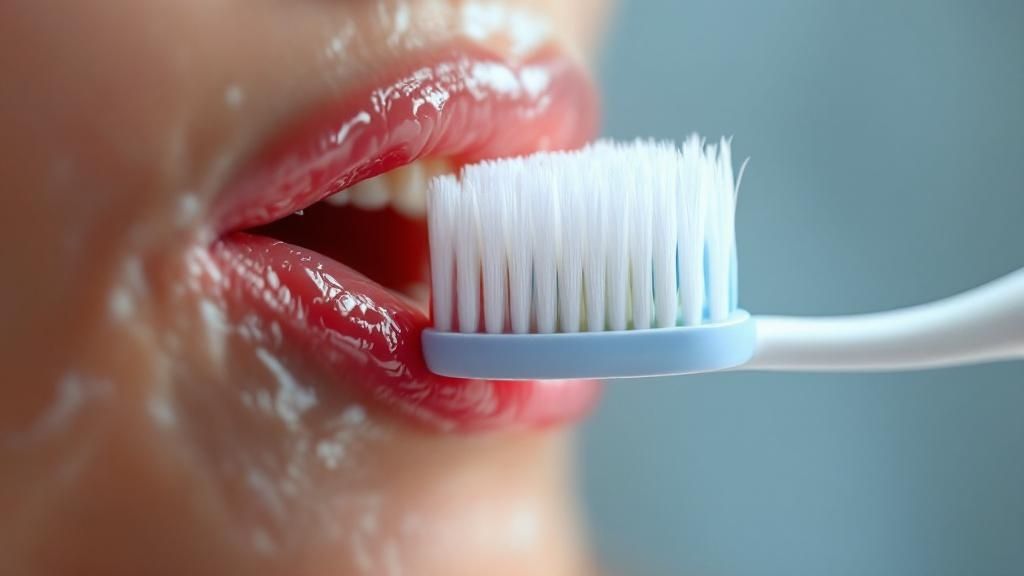
Many people think that scrubbing harder makes teeth cleaner. This is not true. A lot of us hold our toothbrush too tightly and scrub back and forth with a lot of force. We think we are fighting plaque. But this habit often does more harm than good. It can lead to what dentists call traumatic brushing.
Your gums are made of soft, delicate tissue. Their job is to make a seal around the bottom of your teeth. This seal protects the sensitive roots from germs and temperature changes. When you brush too hard, you are not just cleaning. You are scraping away this important protective layer.
How Gentle Tissue Gets Damaged
Imagine scrubbing a soft piece of silk with a stiff brush every day. Over time, the silk would get worn out and tear. Your gums react in a very similar way to that kind of pressure.
This slow damage is how you can get brushed too hard receding gums. It is a problem that can happen over months or years of brushing the wrong way, even if you mean well.
This is not just about how your teeth look. When gums recede, they leave the tooth roots uncovered. Tooth roots are not as tough as the top part of your teeth. The tops are covered by hard enamel. Roots are covered by a softer material. When roots are exposed, it can lead to several problems.
- More Tooth Sensitivity: Exposed roots are very sensitive to hot, cold, sweet, or sour foods. That sharp, quick pain you might feel is a common sign.
- Higher Risk of Cavities: Since the root is not protected by strong enamel, it can get cavities much more easily.
- Changes in Appearance: You might see that your teeth look longer than they used to. You may also see small dips or notches right where the tooth meets the gum.
The point of brushing is not to scrub your teeth with all your might. The goal is to gently remove the soft plaque that builds up. Try to think of it as "massaging" your teeth and gums. This simple change in how you think can help you clean your teeth well without scrubbing too hard.
A Common Story We See
Think about Sarah, a patient who was proud of how well she took care of her teeth. She brushed very hard after every meal, thinking she was doing the right thing. But then she started to feel a sharp pain every time she drank iced tea.
At her next checkup, we saw that her gums were receding. This was happening most around her pointy teeth, called canines. Those were the exact spots where she was pressing the hardest.
Sarah’s story is very common. She was hurting her gums with the same routine she thought was keeping them safe. Seeing the link between your habits and your symptoms is the first step to fixing the problem. You can learn more about how this happens and what to do about gum recession from brushing too hard.
The good news is that by changing how you brush, you can stop more damage and protect your smile for years.
How to Spot the Warning Signs of Over Brushing
It's easy to brush your teeth without really thinking about it. Most of us do. The problem is that the damage from brushing too hard happens slowly. You might not notice it until the signs are obvious. Catching it early can make a big difference.
Luckily, your mouth and even your toothbrush can give you clues that you're being too rough. Learning to see these signs is the first step to protecting your gums. Think of it as a checklist for your mouth to connect your daily routine to what you might be feeling or seeing.
What to Look For in the Mirror
The clearest signs show up on your teeth and gums. It is a good habit to look closely at your smile in a mirror with good light every week or so. You are looking for small changes that might mean trouble at your gumline.
Keep an eye out for these signs:
- Teeth Looking Longer: This is a classic sign of receding gums. When your gums wear away, more of the tooth shows. This can make your teeth look longer.
- Notches Near the Gumline: You might see tiny, V-shaped dips right where the tooth and gum meet. This is called abfraction. It is often caused by the force of scrubbing too hard.
- Color Change at the Gumline: The root of your tooth is naturally a darker, more yellow color than the white enamel. If you start to see this darker color, it is a sure sign your gums have pulled back.
If you have noticed any of these changes, it is a strong signal that you may have brushed too hard receding gums. To stop it from getting worse, it is important to stop brushing too hard on gums by using a gentler method right away.
Listening to What Your Body Tells You
How your mouth feels is another big clue. Pain and sensitivity are your body’s alarm system. They tell you something is wrong. Do not ignore these feelings. They are important information about what is happening in your mouth.
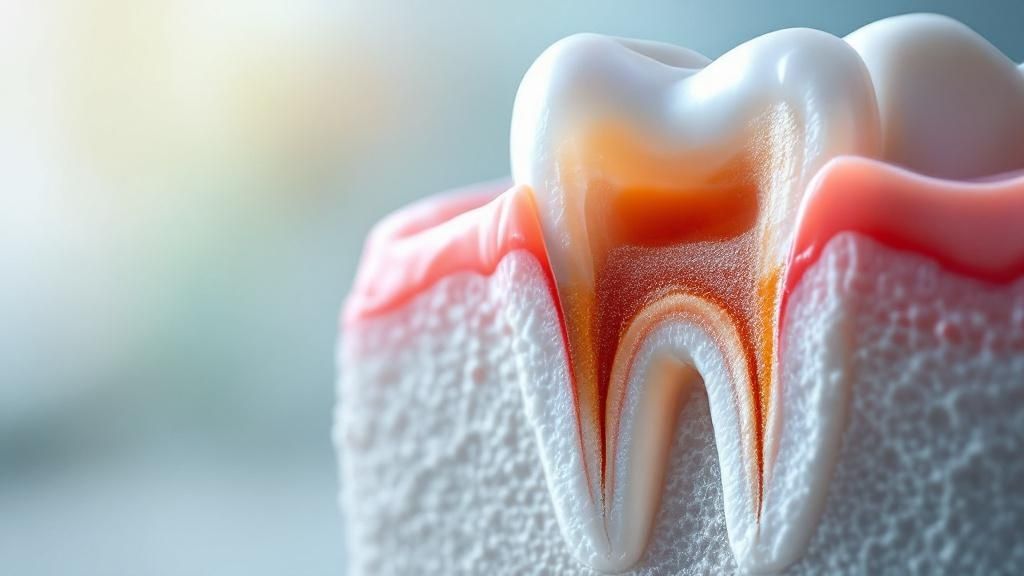
A sudden increase in tooth sensitivity is often one of the first things people notice. When your gums recede, they show the tooth's root. The root does not have a hard enamel coating. It has a layer called dentin, which is full of tiny tubes that lead to the tooth's nerve.
When hot, cold, sweet, or sour things touch these exposed roots, you feel a short, sharp pain. This is more than just annoying. It is a clear warning that your gum's protective seal is broken.
Also, your gums themselves might feel sore after you brush. Healthy gums should not hurt or bleed when you clean them. If they do, it could be a sign that you are using too much force.
Check Your Toothbrush for Clues
Your toothbrush can also tell you a lot. The way its bristles look can show you how much pressure you are using every day. A new, soft-bristled toothbrush has neat, straight bristles that gently sweep away plaque.
After a few weeks, look at your toothbrush. Are the bristles crushed, flat, or pointing in all directions? That is a clear sign that you are pressing way too hard. A toothbrush should only look a little worn after three months. If yours looks bad after just one month, you are definitely over-brushing.
This table can help you compare the signs of brushing too hard with the signs of healthy brushing.
Signs of Aggressive Brushing vs Healthy Brushing Habits
| Symptom or Sign | What It Looks Like (Brushing Too Hard) | What It Should Look Like (Healthy Brushing) |
|---|---|---|
| Gum Appearance | Red, swollen, or pulling away from the teeth. May show small dips or notches at the gumline. | Pink, firm, and fits tight around the teeth. No signs of pulling back or notches. |
| Tooth Sensitivity | A sharp, quick pain when eating or drinking hot, cold, sweet, or sour things. | Little to no sensitivity. Teeth feel fine during meals and with temperature changes. |
| Bleeding | Gums bleed easily when you brush. | Gums do not bleed when you brush and floss. |
| Toothbrush Bristle Wear | Bristles are bent, flat, or spread out after only a few weeks. | Bristles stay mostly straight and show only a little wear after 2-3 months. |
| Post-Brushing Sensation | Gums feel sore or tender. | Gums feel clean and refreshed, not painful. |
| Tooth Appearance | Teeth may look longer because roots are showing. A yellow or darker area may appear near gums. | Teeth look their normal length, with the same color from top to bottom. |
By paying attention to these signs, you can change how you brush before small problems become big ones. It is all about being aware of your habits and listening to your body.
Mastering the Right Brushing Technique
Realizing you've been brushing too hard is the first step. Now it is time to change your habits for good. Most of us grew up thinking a hard scrub was the only way to get teeth clean. But the opposite is true. A gentle, careful method is much better for removing plaque and protecting your gums.
This is how you can take control and stop the damage. The goal is to switch from rough scrubbing to smart, gentle cleaning. And it all starts with the right tools.
Choosing Your Toothbrush Wisely
The biggest change you can make is to use a soft-bristled toothbrush. This is very important. Medium or hard bristles are too rough for the soft tissue around your teeth. Over time, they wear down your gums, which is a main cause of gum recession.
This is a very common problem. Some studies show that up to 50% of people might be brushing with too much force, causing this kind of gum damage. You can learn more about this from the in-depth article on gingival recession on Wikipedia.
Think of your toothbrush bristles as tiny brooms. You do not need a stiff broom to sweep a dusty floor. You just need the right motion. The same idea applies here. Soft bristles can get the job done without harming your teeth or gums.
The Correct Angle and Motion
Once you have the right brush, it is all about how you use it. It is time to forget the strong back-and-forth sawing motion many of us learned. That method is known for damaging the gumline.
Instead, try a smarter way:
-
Angle the Brush: Hold your toothbrush at a 45-degree angle, pointing it toward your gums. This lets the bristles gently sweep just under the gumline, where plaque likes to hide, without poking the tissue.
-
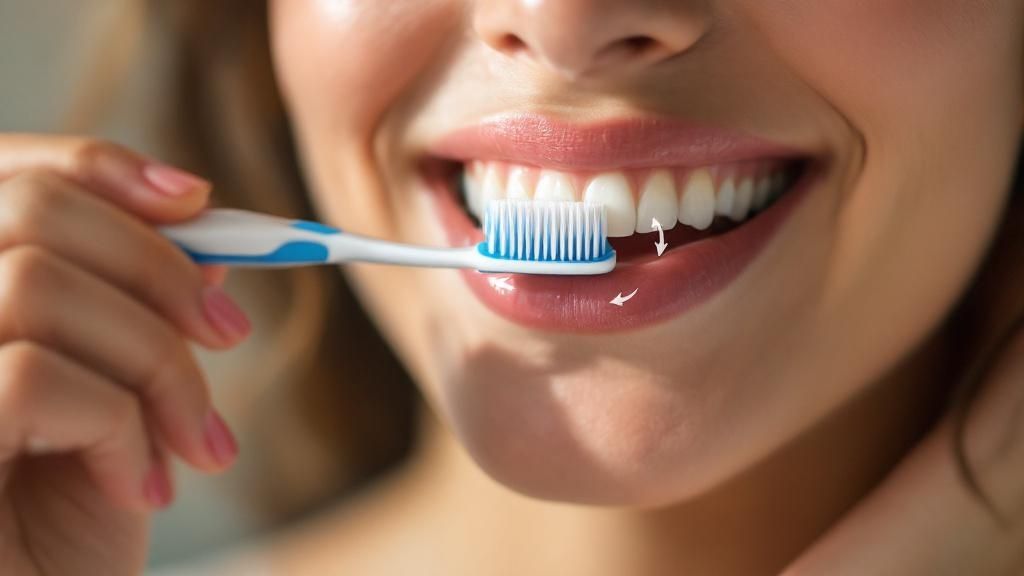
Use Gentle, Circular Strokes: Move the brush in small, gentle circles or short, back-and-forth strokes. The strokes should be about the width of one tooth. The idea is to break up the plaque, not scrub your teeth. Imagine you are massaging your teeth and gums, not cleaning a dirty pot.
This simple picture shows the key parts of a safe and effective routine.
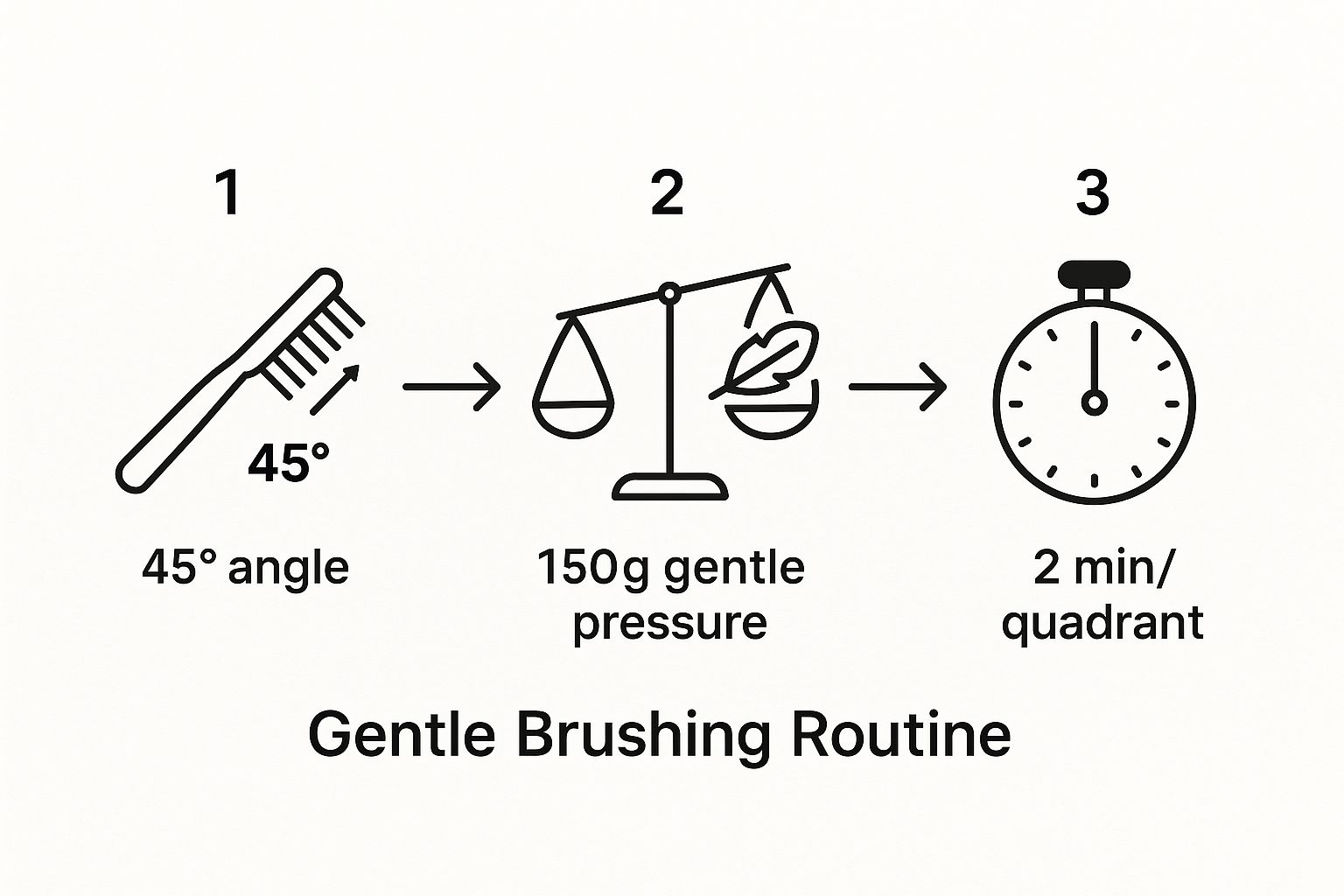
As you can see, it is about three things: the right angle, gentle pressure, and taking enough time to do it right.
How Much Pressure Is Too Much?
This is a very important question. It's hard to know how much force you are using. Here is a simple test. Take your toothbrush and press the bristles on your fingernail. Press just until the color under your nail starts to turn a little white. That gentle touch is all the pressure you need.
Most of us use way more force than we need to. The tips of the bristles are what do the cleaning. Pressing harder just crushes them. This makes them work less well and hurts your gums.
If you still find it hard to get the pressure right, an electric toothbrush might be a great choice. Many new models have a built-in pressure sensor. This sensor tells you if you are pushing too hard, often with a warning light or a change in vibration. This feature takes the guesswork out of it and helps you learn to be gentler.
Remember, let the brush do the work. Your job is to guide it, not force it.
A Better Brushing Routine
Let's put it all together. A gum-friendly brushing routine looks like this:
- Tool: Use a soft-bristled toothbrush (manual or electric).
- Angle: Hold it at a 45-degree angle, pointing at the gumline.
- Pressure: Use just enough force to feel the bristles on your teeth.
- Motion: Use short, gentle, circular strokes on every tooth.
- Time: Brush for a full two minutes. Spend about 30 seconds on each quarter of your mouth (top right, top left, bottom right, bottom left).
This new way of brushing might feel strange at first if you are used to scrubbing hard. But stick with it. It is the key to stopping brushed too hard receding gums and keeping your mouth healthy for years.
Your Guide to Gum Recession Treatments
So, you have seen the signs. It's clear that brushing too hard has hurt your gums. Now you are wondering, "What can I do about it?" Seeing your gumline change can be scary. But the good news is that there are many good ways to manage the problem and stop more damage.
The best choice depends on how much your gums have receded and what symptoms you have. For many people, the first step is simple fixes you can start right away. If your problem is more serious, your dentist has treatments that can make your smile healthy and comfortable again.
Let's look at the options, starting with the easiest ones.
Simple Solutions for Immediate Relief
Let's first talk about the most common problem with receding gums: tooth sensitivity. When your gums pull away, they show the tooth's root. The root is not covered by hard enamel like the top of your tooth. This makes it much more sensitive. That is why a sip of cold water can cause a sharp pain in your tooth.
Luckily, it is usually easy to get this discomfort under control.
-
Toothpaste for Sensitive Teeth: These toothpastes have special ingredients like potassium nitrate or stannous fluoride. These ingredients work by either blocking the tiny tubes in your tooth's root that lead to the nerve or by creating a protective layer over the sensitive spots. You need to use it regularly. It might take a few weeks to feel the full effect.
-
Fluoride Treatment: Your dentist can do this quick, painless treatment in the office. They will put a strong fluoride varnish or gel right onto the exposed roots. This helps make the root's surface stronger, which can stop cavities and reduce sensitivity.
These first steps are all about managing your symptoms. They will not make your gums grow back. But they can make your daily life much more comfortable while you work on stopping the problem from getting worse.
Professional Cleaning to Restore Gum Health
If you have receding gums along with red or swollen gums, your dentist will likely suggest a deep cleaning. This is more than a regular cleaning. It is a key step to create a healthy place for your gums to heal.
The official name for this is scaling and root planing.
-
Scaling: First, your hygienist will carefully remove all the plaque and tartar (hardened plaque) from your teeth. They clean both above and below the gumline. This gets rid of the germs that are causing the problem.
-
Root Planing: Next, they will gently smooth out the tooth roots. This is important because a smooth surface makes it harder for new germs to stick. It also helps your gums attach more tightly to the clean tooth.
A deep cleaning is not just about making your teeth super clean. It's about giving your gums a fresh start. By removing what is irritating them, you reduce swelling. This can sometimes help the gums fit better around the teeth and stop them from receding more.
For mild to moderate cases of gum recession, this non-surgical cleaning is often the first treatment we suggest. This is especially true when brushed too hard receding gums are made worse by early gum disease.
Advanced Surgical Options for Severe Recession
When a lot of gum tissue has been lost, your dentist may send you to a periodontist. This is a specialist in gum health. They might suggest a surgery to cover the exposed roots and rebuild your gumline. The most common and successful surgery for this is a gum graft.
It might sound scary, but it is a common surgery that works very well.
There are a few different types of gum grafts, but they all have the same goal. The specialist takes a small piece of tissue, usually from the roof of your mouth. They then carefully stitch it into place over the area where the gum has receded. This new tissue joins with your existing gums, covers the root, and creates a healthier gumline.
This surgery has several big benefits:
- Reduces Sensitivity: Covering the exposed root gets rid of the main cause of your pain.
- Protects Roots from Decay: The new tissue acts as a natural shield against cavities.
- Improves Appearance: A gum graft can make your smile look more natural again by making your teeth look their proper length.
Remember, eating healthy foods also helps your gums heal and stay healthy. You can learn more about which foods are good for your gums to help your recovery. Your dentist will help you look at all the options and decide on the best treatment for you.
Knowing When to See Your Dentist
Changing how you brush is a great first step to protect your gums. But some symptoms are your body's way of telling you it's time to see a professional. Knowing when to make a dental appointment can stop a small issue from becoming a big problem.
It is normal to be a little nervous about going to the dentist. But your dental team is here to help you. We have seen everything, and our job is to help you, not to judge you for a common problem like brushed too hard receding gums.
Red Flags You Shouldn't Ignore
You can often manage mild sensitivity at home. But certain symptoms are a clear sign that you need a professional to look at the problem. If you are having any of the following, it is time to schedule a visit.
These warning signs usually mean the problem needs more than just a softer toothbrush to fix.
- Severe or Long-Lasting Sensitivity: If the sharp pain from a hot or cold drink lasts for more than a few seconds, or if it is very strong, that is your sign to call. This much pain might mean the roots are very exposed or there are other dental issues.
- Noticeable Tooth Looseness: Your teeth should always feel solid. Any wiggle, no matter how small, is a serious red flag. A loose tooth can be a sign that the bone around the tooth is damaged.
- Gum Swelling or Pain That Doesn't Go Away: Healthy gums should not look puffy or feel painful. If some areas stay red and sore even after you switch to gentle brushing, it could be a sign of an infection or swelling that needs to be treated.
Ignoring these symptoms can lead to bigger problems later. If you have a sudden or bad problem, it is important to know when you might need help right away. Our guide on when to seek emergency dental care can give you more advice.
Why Early Intervention Matters
Catching gum recession early is key. It gives you and your dentist the best chance to manage it with the simplest treatments. When you come in for a visit, we do more than just a quick look. We will carefully measure how much the gums have receded. We also check for "pockets" between your teeth and gums, which can be a sign of gum disease.
This professional checkup is very important. Your dentist can find the exact cause of your receding gums. It could be from brushing too hard, your family history, or gum disease. Then, they can create a plan just for you. Getting ahead of the problem can often prevent the need for bigger treatments like gum grafting.
Don't put off a dental visit because you think the problem isn't "bad enough" yet. The sooner you get a professional opinion, the more choices you'll have for simple, effective treatment. You will be glad you acted early.
If you are worried about receding gums, you are not alone. It is a very common condition. In fact, a major study in 2023 found that about 85% of people have some amount of gum recession. This shows how common the issue is, and it's a problem your dentist knows how to handle. Read the full research about these findings.
Making that appointment is a great step toward taking control of your oral health. Your dentist can give you the peace of mind and expert advice you need to keep your smile healthy for years.
Common Questions About Gum Recession and Brushing?
After learning about the link between your brushing and your gums, you might have more questions. Getting clear answers is the best way to feel in control of your mouth's health. This section answers the most common questions we hear from our patients who have problems from brushing too hard.
Our goal is to give you useful answers and help you feel confident about protecting your smile.
Can Receding Gums Grow Back On Their Own?
This is usually the first question people ask. The simple answer is no. Unfortunately, once gum tissue is gone, it does not grow back by itself. Unlike skin that can heal over a cut, your gums cannot regrow lost tissue.
But do not feel discouraged. The most important thing you can do now is to stop the gums from receding any more. Using a gentle brushing method and taking great care of your mouth will protect the healthy gum tissue you still have. For more serious cases, we have great treatments like gum grafting to cover exposed roots. But the original tissue will not grow back on its own.
Are Electric Toothbrushes Better for Sensitive Gums?
Electric toothbrushes can be a big help, especially if you tend to brush too hard. Many new models have a built-in pressure sensor. This is a great feature for anyone who has brushed too hard in the past. If you start pressing too hard, the brush lets you know by flashing a light or changing how it vibrates.
This instant feedback is exactly what you need to change your habits and learn a lighter touch. It takes the guesswork out of brushing.
The bottom line is this: whether you use a manual or an electric toothbrush, the goal is the same—let the bristles do the work. If you use an electric model, think of it as guiding the brush from tooth to tooth, not scrubbing with it.
What Else Besides Brushing Can Cause Gums to Recede?
Brushing too hard is a big reason for receding gums, but it is not the only one. Understanding the other possible causes helps you see the whole picture of your oral health.
Here are a few other common causes:
- Gum Disease (Periodontitis): This is the number one cause of gum recession. This infection destroys both gum tissue and the bone that holds your teeth in place.
- Genetics: It's true—some people are more likely to have gum problems because of their family history. About 30% of people may be more likely to get gum disease, even if they have great habits.
- Teeth Grinding (Bruxism): Clenching or grinding your teeth puts a lot of force on them. This can cause the gums to pull back over time. Many people do not even know they are doing it, especially at night.
- Crooked Teeth: When your teeth are not straight, some teeth can take more pressure than others. This uneven force can cause gums to recede on those specific teeth.
Often, it is a mix of these things. For example, if you have naturally thin gums and you also brush too hard, the recession can happen much faster. Your dentist is the best person to help you figure out what is happening in your case. By understanding the full story behind why you might have brushed too hard receding gums, you can take the right steps to protect your smile for good.
At Beyond Dental Care, we believe in giving our patients the information they need to have a healthy mouth for life. If you have more questions or are worried about your gums, our team in Glendale is here to provide expert, kind care. Schedule your personalized consultation with us today.