
A radiant smile isn't just about sparkling white teeth; it's built on a foundation of strong, healthy gums. While daily brushing and flossing are non-negotiable, the nutrients you consume play a powerful, often overlooked, role in protecting your mouth from inflammation, infection, and disease. The connection between diet and periodontal health is undeniable: specific vitamins, minerals, and compounds can actively strengthen gum tissue, fight harmful bacteria, and reduce inflammation that leads to problems like gingivitis. This guide moves beyond the basics, offering a detailed look at specific foods good for gums that act as your internal defense system for oral wellness.
We will explore the science behind how these nutritional powerhouses work, providing actionable insights to help you build a diet that supports a healthier smile from the inside out. This isn't just about avoiding sugar; it's about proactively nourishing your gums for long-term resilience. Understanding the broader health impacts of dietary choices, such as how certain ingredients reduce system-wide inflammation, is also crucial. For example, you can learn more about olive oil's anti-inflammatory benefits to see how simple swaps can support your entire body, including your gums. This listicle will serve as your comprehensive resource on the essential food groups scientifically proven to fortify your gum health.
1. Leafy Greens (Spinach, Kale, Arugula)
When considering foods good for gums, dark leafy greens like spinach, kale, and arugula are foundational. These vegetables are nutritional powerhouses, delivering a potent combination of vitamins and minerals essential for maintaining robust gum tissue and overall oral wellness. Their high fiber content also helps clean teeth by stimulating saliva production, which neutralizes harmful acids.

Why Leafy Greens Are Essential for Gums
The primary benefits of leafy greens come from their rich nutrient profile. They are packed with Vitamin C, a crucial antioxidant for the synthesis of collagen, the protein that forms the structural foundation of your gums. A deficiency in Vitamin C can lead to weakened gum tissue, making it more susceptible to bacteria and inflammation.
Furthermore, these greens are an excellent source of folate (Vitamin B9), which plays a vital role in cell growth and repair throughout the body, including the gums. Adequate folate intake supports the healthy maintenance of the gum's connective tissues and can aid in reducing inflammation associated with conditions like gingivitis.
Practical Ways to Incorporate Leafy Greens
Integrating these vegetables into your diet is simple and versatile. To maximize their benefits, consider these actionable tips:
- Go Raw for Vitamin C: Enjoy spinach or arugula in a fresh salad. Vitamin C is heat-sensitive, so eating these greens raw preserves their full potency.
- Enhance Nutrient Absorption: Pair your greens with a source of healthy fat, like an olive oil vinaigrette or avocado slices. This helps your body absorb fat-soluble vitamins like Vitamin K, also present in greens.
- Boost Iron Intake: Combine leafy greens with citrus fruits, such as oranges or lemon juice. The Vitamin C in the citrus significantly enhances the absorption of the plant-based iron found in spinach and kale.
- Blend into Smoothies: For a quick and easy option, blend a handful of kale or spinach into your morning smoothie. This is an excellent way to get a concentrated dose of nutrients without altering the taste significantly.
By making leafy greens a regular part of your meals, you provide your gums with the essential building blocks needed to fight inflammation, repair tissue, and maintain a strong defense against periodontal disease.
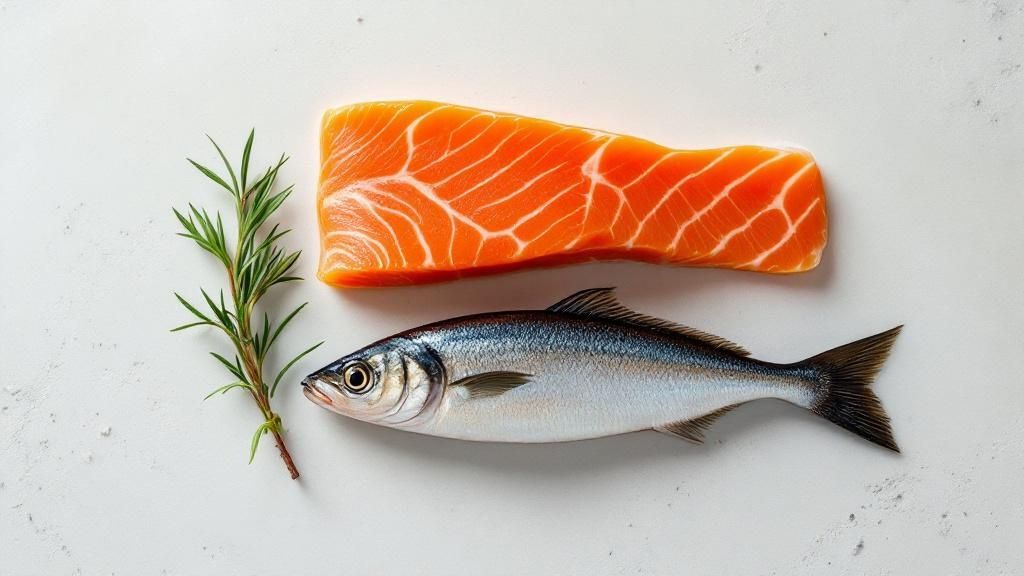
2. Fatty Fish (Salmon, Mackerel, Sardines)
Incorporating fatty fish like salmon, mackerel, and sardines into your diet is a powerful strategy for promoting gum health. These fish are renowned for their high concentration of omega-3 fatty acids, which possess potent anti-inflammatory properties. This makes them exceptional foods good for gums, as they help combat the inflammation that is a hallmark of periodontal disease.
Why Fatty Fish Are Essential for Gums
The primary benefit of fatty fish comes from their rich content of omega-3 fatty acids, specifically EPA (eicosapentaenoic acid) and DHA (docosahexaenoic acid). These compounds are instrumental in reducing inflammation throughout the body, including in the gums. By lowering inflammatory responses, omega-3s can help prevent or manage conditions like gingivitis and periodontitis. The powerful anti-inflammatory effects of fatty fish on gum health are largely attributed to the numerous benefity omega-3 mastných kyselín.
Furthermore, fatty fish are an excellent source of Vitamin D, a nutrient crucial for calcium absorption and bone health. Strong jawbones are the foundation for healthy teeth, and adequate Vitamin D intake helps maintain the bone density needed to support them securely. This connection is seen in populations with high fish consumption, such as in Japan and Scandinavia, which often correlate with lower rates of severe gum disease.
Practical Ways to Incorporate Fatty Fish
Adding these nutrient-dense fish to your meals is straightforward. Here are a few practical tips to maximize their oral health benefits:
- Aim for Consistency: Try to eat at least two servings (about 3.5 ounces each) of fatty fish per week to ensure a steady supply of omega-3s.
- Preserve the Nutrients: Use gentle cooking methods like baking, grilling, or steaming. High-heat frying can damage the delicate omega-3 fats.
- Choose Wisely: Opt for wild-caught salmon when possible, as it often has a more favorable fatty acid profile. Smaller fish like sardines and herring are also great choices as they are lower in potential contaminants like mercury.
- Create a Power Combo: Pair your fish with leafy greens or other antioxidant-rich vegetables. This combination creates a potent anti-inflammatory meal that supports both your gums and overall wellness.
By regularly including fatty fish in your diet, you provide your body with the critical anti-inflammatory and bone-supporting nutrients needed to maintain resilient gums and a healthy smile.
3. Green Tea
A staple in many cultures, particularly in Asia, green tea is one of the most beneficial beverages when considering foods good for gums. This ancient drink is rich in powerful antioxidants known as catechins, which possess remarkable anti-inflammatory and antimicrobial properties. Consuming green tea can help inhibit the growth of bacteria responsible for periodontal disease, reduce gum inflammation, and promote overall oral hygiene.

Why Green Tea Is Essential for Gums
The key to green tea’s effectiveness lies in a specific catechin called epigallocatechin gallate (EGCG). This potent compound interferes with the ability of pathogenic bacteria, like Porphyromonas gingivalis, to attach to gum tissue. By reducing the bacterial load in your mouth, EGCG helps lower your risk of developing gingivitis and its more severe form, periodontitis.
Furthermore, the anti-inflammatory action of these catechins helps soothe irritated and swollen gums. Studies on populations with high green tea consumption, such as in Japan, have shown a correlation with better periodontal health, including shallower gum pockets and less bleeding. This makes green tea a powerful, proactive tool for maintaining gum resilience.
Practical Ways to Incorporate Green Tea
Adding green tea to your daily routine is a simple yet impactful habit. Follow these tips to maximize its gum-protecting benefits:
- Aim for Consistency: Drink two to three cups daily to ensure a steady supply of protective catechins.
- Steep Correctly: To extract the maximum amount of EGCG, steep your tea bag or loose leaves in hot (not boiling) water for three to five minutes.
- Time Your Sips: Enjoy your tea between meals. Drinking it with meals can sometimes interfere with the absorption of iron from plant-based foods.
- Choose High-Quality Tea: Opt for high-quality loose-leaf or organic green tea bags to avoid pesticides and ensure a higher concentration of beneficial compounds.
- Rinse After Drinking: To prevent potential tooth staining, simply rinse your mouth with plain water after finishing your cup of tea.
By making green tea a regular part of your hydration, you are actively supporting your gums' ability to fight inflammation and infection, contributing significantly to your long-term oral health.
4. Citrus Fruits (Oranges, Grapefruits, Lemons)
When searching for foods good for gums, citrus fruits like oranges, grapefruits, and lemons are often celebrated. These fruits are renowned for their exceptionally high Vitamin C content, an essential nutrient for producing collagen. Collagen provides the structural integrity of your gums, helping to keep them firm and resilient against bacteria.
Why Citrus Fruits Are Essential for Gums
The primary advantage of citrus fruits lies in their high concentration of Vitamin C. This powerful antioxidant is critical for the repair and maintenance of connective tissues throughout the body, including your gums. Historical evidence, such as the British Navy's use of citrus to prevent scurvy, highlights how a severe Vitamin C deficiency leads to gum deterioration.
By strengthening gum tissue, Vitamin C helps reduce inflammation and bleeding, which are early signs of gingivitis. It also bolsters your immune system, enhancing its ability to combat the oral bacteria responsible for periodontal infections. This makes citrus fruits a powerful ally in maintaining oral health.
Practical Ways to Incorporate Citrus Fruits
While beneficial, the high acidity of citrus fruits requires mindful consumption to protect tooth enamel. Here are some practical tips to enjoy their benefits safely:
- Choose Whole Fruits Over Juice: Whole oranges or grapefruits contain fiber, which helps clean teeth and reduces the concentration of sugar and acid against your enamel compared to juice.
- Consume with Meals: Eating citrus fruits as part of a larger meal helps buffer their acidity, minimizing direct acid exposure to your teeth.
- Rinse, Don't Rush to Brush: After eating citrus, rinse your mouth with plain water to wash away residual acids. Wait at least 30 to 60 minutes before brushing to avoid scrubbing the acid into your softened enamel.
- Pair with Calcium: Enjoying citrus alongside calcium-rich foods like yogurt or cheese can help neutralize acids and strengthen tooth enamel.
By following these guidelines, you can harness the gum-strengthening power of citrus fruits while safeguarding your teeth for comprehensive oral wellness.
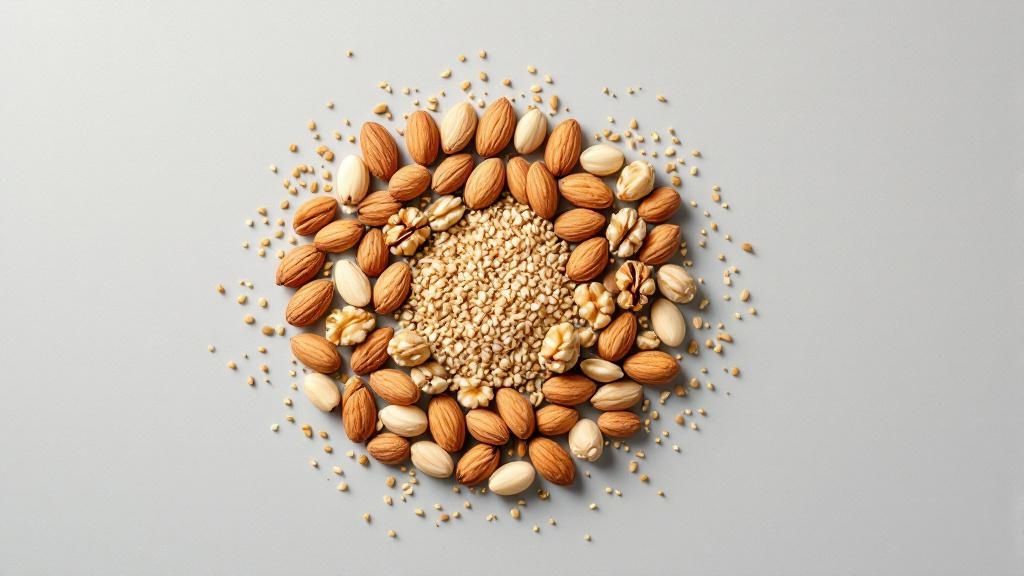
5. Nuts and Seeds (Almonds, Walnuts, Sesame Seeds)
Incorporating nuts and seeds like almonds, walnuts, and sesame seeds into your diet is a crunchy and satisfying way to support gum health. These nutrient-dense foods are packed with compounds that strengthen gum tissue, combat inflammation, and even help keep teeth clean. Their inclusion in renowned health-conscious eating patterns, such as the Mediterranean diet and Blue Zone longevity studies, highlights their value in a holistic approach to wellness, including oral care.
Why Nuts and Seeds Are Essential for Gums
The benefits of nuts and seeds for your gums are multifaceted. They are rich in Omega-3 fatty acids, particularly walnuts, which possess powerful anti-inflammatory properties that can help reduce the risk and severity of gingivitis. Almonds are a fantastic source of calcium, a mineral essential for maintaining bone density in the jaw, which anchors your teeth firmly in place.
Furthermore, many nuts and seeds contain phosphorus and Vitamin E, which are crucial for building strong enamel and protecting cell membranes from damage. The simple mechanical action of chewing these crunchy foods stimulates saliva flow, a natural defense mechanism that rinses away food particles and neutralizes plaque acids, making them excellent foods good for gums.
Practical Ways to Incorporate Nuts and Seeds
Adding these nutritional powerhouses to your daily routine is easy. Follow these practical tips to get the most out of every bite:
- Choose Wisely: Opt for raw or dry-roasted, unsalted varieties to avoid excess sodium and unhealthy oils that can detract from their benefits.
- Mind Your Portions: A small handful, about one ounce, is a perfect serving size for a snack. This provides the nutrients without excessive calories.
- Boost Digestibility: Soaking raw nuts like almonds overnight can make them easier to digest and helps your body absorb their nutrients more effectively.
- Snack Smart: Dental hygienists often recommend almonds as a healthy snack alternative to sugary or starchy options that feed harmful oral bacteria. Chew them thoroughly to maximize their natural cleaning effect.
- Add to Meals: Sprinkle sesame seeds on salads or steamed vegetables, add chopped walnuts to your morning oatmeal, or blend almonds into a smoothie for an easy nutritional boost.
6. Dairy Products (Yogurt, Cheese, Milk)
When searching for foods good for gums, dairy products like yogurt, cheese, and milk are staples of a healthy diet. They are renowned for their high calcium content, which is fundamental for building strong teeth and the jawbone that supports them. Beyond bone health, these foods contain key proteins and nutrients that actively protect and fortify your gum tissues, making them a cornerstone of oral wellness.
Why Dairy Products Are Essential for Gums
The power of dairy lies in its unique combination of protective compounds. These products are rich in calcium and phosphorus, minerals that are the primary components of tooth enamel. By reinforcing enamel, dairy helps guard against decay that can progress to the gumline and cause irritation or infection.
Furthermore, dairy contains a protein called casein, which forms a protective film on the teeth. This film helps prevent harmful bacteria from sticking to the enamel surface. Certain dairy products, especially yogurt, are also packed with probiotics. These beneficial bacteria help balance your oral microbiome, crowding out the harmful bacteria that cause gingivitis and periodontal disease.
Practical Ways to Incorporate Dairy Products
Adding more dairy into your diet is straightforward and can be tailored to your preferences. Here are some actionable ways to harness their benefits:
- Choose Plain Yogurt: Opt for plain, unsweetened yogurt (especially Greek yogurt) to maximize probiotic benefits without adding sugar, which fuels harmful bacteria. You can add fresh fruit for natural sweetness and extra vitamins.
- Eat Cheese After Meals: Consuming a small piece of cheese, like Swiss or cheddar, after a meal can help neutralize acids and stimulate saliva flow, effectively rinsing away food particles.
- Opt for Fermented Varieties: Incorporate fermented dairy like kefir or yogurt to introduce a high concentration of beneficial probiotics that support both gut and oral health.
- Consider Grass-Fed Options: When possible, choose milk and cheese from grass-fed cows. These products often have a better fatty acid profile, including more omega-3s, which have anti-inflammatory properties beneficial for your gums.
7. Cranberries (Fresh, Unsweetened)
While often associated with holiday meals, cranberries are one of the most effective foods good for gums, thanks to their unique anti-adhesion properties. These tart berries contain powerful compounds that interfere with bacteria's ability to cling to teeth and gum tissue, making them a formidable ally in preventing plaque buildup and gum disease. For maximum benefit, it is crucial to consume them in their natural, unsweetened state.
Why Cranberries Are Essential for Gums
The star players in cranberries are a class of polyphenols called A-type proanthocyanidins (PACs). Unlike the PACs found in most other fruits, these specific compounds create a non-stick, Teflon-like coating on oral surfaces. This barrier prevents harmful bacteria, particularly Streptococcus mutans, from adhering to tooth enamel and forming the sticky biofilm known as plaque.
By inhibiting bacterial adhesion and colonization, cranberries directly disrupt the initial stage of plaque formation and tartar development. This helps reduce the overall bacterial load in the mouth, lowering the risk of gum inflammation (gingivitis) and more severe periodontal issues. Their antibacterial nature, long recognized in Native American traditional medicine, is now validated by modern dental research.
Practical Ways to Incorporate Cranberries
To harness the oral health benefits of cranberries without consuming excess sugar, which would negate their positive effects, try these simple methods:
- Choose Fresh or Frozen: Opt for whole fresh or frozen cranberries over dried, sweetened varieties (like Craisins) or sugary cranberry juice cocktails.
- Create a Healthy Mix: The tartness of cranberries can be intense. Mix them with other berries like blueberries or strawberries in a fruit salad to balance the flavor.
- Dilute Unsweetened Juice: If using juice, ensure it is 100% pure, unsweetened cranberry juice. Dilute it with water to make it more palatable and to minimize the impact of its natural acidity on your enamel.
- Add to Smoothies or Yogurt: Blend a small handful of fresh or frozen cranberries into your favorite smoothie or stir them into plain yogurt. The other ingredients will help temper their tart taste while you still get all the benefits.
8. Carrots and Crunchy Vegetables
Crunchy, raw vegetables like carrots, celery, and bell peppers are fantastic foods good for gums, acting as nature's own toothbrushes. Their firm, fibrous texture provides a gentle abrasive action that helps scrub away plaque from tooth surfaces and stimulates the gums as you chew. This mechanical cleaning, combined with their rich nutritional content, makes them a crucial component of a diet aimed at superior oral health.
Why Carrots and Crunchy Vegetables Are Essential for Gums
The dual-action benefit of these vegetables is what makes them so effective. On one hand, the physical act of chewing stimulates saliva production, which is your body’s primary defense against cavities and gum disease. Saliva helps neutralize harmful acids and rinse away food particles.
On the other hand, carrots are packed with beta-carotene, which the body converts into Vitamin A. This essential nutrient is vital for maintaining the health of mucous membranes that line your mouth and gums, forming a protective barrier against bacteria. Adequate Vitamin A also supports a strong immune system, helping your body fight off the infections that can lead to gingivitis.
Practical Ways to Incorporate Carrots and Crunchy Vegetables
Adding these powerful vegetables to your routine is easy and can be a refreshing part of your daily meals or snacks. To get the most out of their gum-protective properties, consider these tips:
- Eat Them Raw: For maximum cleaning benefit, consume carrots, celery, and bell peppers in their raw state. This preserves their crunchy texture, which is key for scrubbing teeth and massaging gums.
- Cut for Convenience: Slice them into sticks for an easy, portable snack. Keep a container in the fridge for a quick bite that satisfies your craving for crunch while benefiting your oral health.
- Pair with Healthy Dips: Enhance the flavor and nutritional value by pairing vegetable sticks with hummus or a yogurt-based dip. The protein and healthy fats can make it a more complete and satisfying snack.
- Grow Your Own: For the freshest and most nutrient-dense options, consider growing them at home. If you're interested in cultivating your own gum-healthy foods, you might find this guide on how to grow carrots especially helpful.
By making crunchy vegetables a regular snack, you’re actively working to keep your teeth clean and provide your gums with the Vitamin A they need to stay resilient and healthy.
Nutritional Benefits Comparison of 8 Gum-Friendly Foods
| Item | Implementation Complexity 🔄 | Resource Requirements ⚡ | Expected Outcomes 📊 | Ideal Use Cases 💡 | Key Advantages ⭐ |
|---|---|---|---|---|---|
| Leafy Greens (Spinach, Kale, Arugula) | Low – easy to add raw or steamed | Low – affordable, widely available | Stronger gums, reduced inflammation, antioxidant protection | Daily meals, salads, smoothies | Nutrient-dense, versatile, supports healing |
| Fatty Fish (Salmon, Mackerel, Sardines) | Medium – requires proper storage & cooking | Medium to High – cost varies | Reduced gum inflammation, supports bone health, antimicrobial | 2-3 servings weekly, anti-inflammatory diet plans | Anti-inflammatory, rich in omega-3s, high protein |
| Green Tea | Low – steeping leaves or bags | Low – inexpensive, widely accessible | Decreases oral bacteria, reduces gum inflammation, freshens breath | Daily beverage, oral health maintenance | Antimicrobial, antioxidant-rich, easy routine |
| Citrus Fruits (Oranges, Grapefruits, Lemons) | Low – simple fresh consumption | Low – affordable, widely available | Improved collagen synthesis, gum healing, immune support | Fresh intake, juices with caution | High vitamin C, enhances absorption |
| Nuts and Seeds (Almonds, Walnuts, Sesame Seeds) | Low – snack or meal addition | Medium – moderate cost, some allergies | Reduced inflammation, tissue repair, teeth cleaning action | Healthy snacks, meal enhancements | Nutrient-rich, portable, supports tissue repair |
| Dairy Products (Yogurt, Cheese, Milk) | Low – easy consumption | Low to Medium – varies by product | Stronger teeth, enamel protection, probiotic oral support | Regular diet, probiotic supplementation | Calcium rich, probiotics, enamel protection |
| Cranberries (Fresh, Unsweetened) | Low – direct consumption or add to foods | Medium – seasonal, can be pricey | Reduced bacterial adhesion, less plaque, gum inflammation | Natural antibacterial support, oral and UTI health | Anti-adhesion, antibacterial, antioxidant content |
| Carrots and Crunchy Vegetables | Low – raw snack or side | Low – widely available, affordable | Natural teeth cleaning, gum massage, vitamin A support | Snacks, dental hygiene, immune support | Natural abrasiveness, saliva stimulation |
Integrating Gum-Healthy Foods into Your Comprehensive Oral Care Routine
Adopting a diet rich in gum-supporting nutrients is a powerful, proactive strategy for enhancing your oral health. Throughout this guide, we've explored a variety of delicious and accessible foods good for gums, each offering unique benefits to strengthen and protect your smile from the inside out. From the collagen-producing Vitamin C in citrus fruits to the anti-inflammatory omega-3s in fatty fish, these dietary choices work together to create a resilient oral environment.
By incorporating these items into your daily meals, you actively combat inflammation, fortify connective tissues, and neutralize harmful bacteria. Think of it as building a nutritional shield for your gums, one bite at a time. The crunchy, fibrous nature of carrots and nuts helps to scrub plaque away, while the probiotics in yogurt contribute to a balanced oral microbiome. Even a simple cup of green tea can provide a dose of catechins that help keep gum disease at bay.
Beyond Diet: A Holistic Approach to Gum Health
While integrating these powerful foods into your diet is a critical step, it is essential to view nutrition as one component of a comprehensive oral care strategy. The remarkable benefits of these foods are amplified when paired with impeccable daily hygiene and professional dental oversight. Even the healthiest foods leave behind sugars and particles that can contribute to plaque if not removed.
Therefore, your next steps should focus on creating a sustainable, multi-faceted routine:
- Audit Your Pantry and Fridge: Identify which of these gum-healthy foods you already have and which you can easily add to your next grocery list. Start with small, manageable changes, like swapping a sugary snack for a handful of almonds or adding spinach to your morning smoothie.
- Refine Your Brushing and Flossing Technique: Consistency is key. Ensure you are brushing for two full minutes, twice a day, and flossing daily to remove debris from between teeth and below the gumline, where your brush cannot reach.
- Schedule Regular Professional Cleanings: No at-home routine can replace the value of a professional dental cleaning. We can remove hardened plaque (tartar) and identify potential issues before they become serious problems.
Your Partner in Lifelong Oral Wellness
Mastering this integrated approach is not just about preventing cavities or gingivitis; it's about investing in your overall well-being. Healthy gums are linked to better systemic health, reducing your risk for other chronic conditions. For our community in North Glendale, Peoria, and the surrounding Phoenix area, this proactive mindset is the key to maintaining a vibrant, confident smile through every stage of life.
Remember, the journey to optimal gum health is a partnership between your daily habits and expert clinical care. By consciously choosing foods good for gums and committing to a diligent hygiene routine, you lay the foundation for a lifetime of healthy smiles.
Ready to take the next step and align your nutritional habits with expert dental care? The team at Beyond Dental Care is here to provide personalized guidance, from preventive cleanings to advanced periodontal treatments, ensuring your oral health strategy is both effective and sustainable. Schedule your consultation with us today at Beyond Dental Care to create a holistic plan for your healthiest smile yet.