
Let’s be honest, nobody wants to be that person—the one with bad breath. The good news is that most cases of halitosis, the clinical term for bad breath, aren’t some deep medical mystery. The root cause is almost always happening right inside your mouth.
Understanding the Main Causes of Bad Breath
Think of your mouth as a bustling, microscopic ecosystem. When everything is in balance, it stays fresh and healthy. But when certain things get out of whack, odor-causing bacteria can quickly take over and throw a very smelly party.
These microbes are experts at finding hiding spots. They tuck themselves into the tiny crevices between your teeth, settle in below the gumline, and, most importantly, they absolutely love the surface of your tongue. The tongue’s unique texture, a bit like a shag carpet, is the perfect environment for trapping bacteria and old food particles, making it a primary source of unpleasant odors.
The real problem behind bad breath is the creation of volatile sulfur compounds (VSCs). These are the specific gases produced by bacteria that create that distinct, foul smell. To get rid of bad breath, you have to tackle the bacteria that produce these VSCs.
The Most Common Culprits
While the science points to bacteria, the triggers are usually tied to our daily habits and lifestyle. Three main culprits roll out the welcome mat for these odor-causing microbes:
- Oral Hygiene: If brushing and flossing are inconsistent or not done correctly, you’re essentially leaving behind a buffet for bacteria to feast on.
- Dietary Choices: Certain foods and drinks can either create odors on their own or foster a dry, acidic environment where bacteria thrive.
- Dry Mouth (Xerostomia): Saliva is your mouth’s natural cleaning crew. When you don’t have enough of it, your mouth can’t effectively wash away food debris or neutralize acids, leading to a rapid spike in bacterial growth.
Understanding these key factors is the first real step toward finding a solution. For more hands-on strategies, you can check out our guide covering six easy ways to prevent bad breath.
Bad breath is an incredibly common issue. Some studies show that it affects more than 50% of people in certain groups. What’s more, research highlights that many people aren’t even aware they have it, which is why getting to the bottom of its causes is so important. You can read more about the global prevalence of halitosis to see just how widespread this condition truly is.
Bad Breath Causes at a Glance
To make it even clearer, let’s break down the main factors that contribute to bad breath. This table provides a quick summary of the “what” and “why” behind those unwelcome odors.
| Cause | How It Creates Odor | Common Examples |
|---|---|---|
| Poor Oral Hygiene | Food particles and dead cells left in the mouth feed bacteria, which release VSCs. | Infrequent brushing, not flossing, forgetting to clean the tongue. |
| Certain Foods | Foods with strong odors enter the bloodstream and are exhaled through the lungs. | Garlic, onions, coffee, spicy foods. |
| Dry Mouth | A lack of saliva means bacteria and food debris aren’t washed away, allowing them to multiply. | Dehydration, certain medications, breathing through the mouth. |
| Tobacco Products | Creates a dry mouth environment and leaves its own distinct, hard-to-remove odor. | Smoking cigarettes, chewing tobacco. |
| Medical Conditions | Underlying health issues can produce chemicals that cause bad breath. | Sinus infections, acid reflux (GERD), tonsil stones, certain metabolic disorders. |
As you can see, the source of bad breath is often a combination of lifestyle habits and physiological factors. The good news is that most of these causes are well within your control to manage and prevent.
How Oral Health Dictates Your Breath
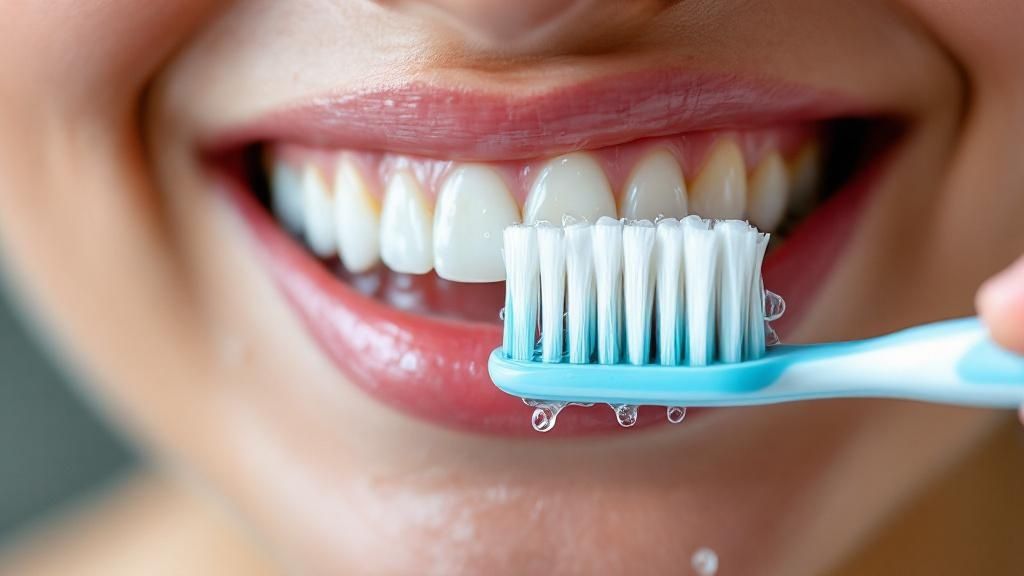
The most common battlefield in the fight against bad breath is right inside your mouth. We’ve all been told to “brush your teeth,” and while that’s great advice, understanding why it works is the real key to conquering what causes bad breath for good.
Here’s the breakdown: every time you eat, tiny food particles inevitably get left behind. For us, it’s just leftovers. But for the anaerobic bacteria living in your mouth, it’s a gourmet feast. These specific microbes thrive in low-oxygen spots, breaking down proteins from food debris and dead cells. As they feast, they release those foul-smelling volatile sulfur compounds (VSCs) we talked about earlier.
This process is exactly why your daily hygiene routine is so critical. You’re not just scrubbing your teeth; you’re disrupting this bacterial feast before it even gets started.
The Role of Plaque and Gum Disease
When those food particles and bacteria aren’t cleared away, they team up to form a sticky, colorless film on your teeth called plaque. If plaque is allowed to sit, it hardens into tartar—a tough, calcified substance that only a dental professional can remove. This buildup creates protected, oxygen-free zones where odor-causing bacteria can multiply without interruption.
This environment is the launching pad for gum disease. It starts as gingivitis, which just means your gums are inflamed and irritated. Left unchecked, it can escalate to periodontitis, a much more severe infection that damages the soft tissue and even the bone supporting your teeth. These conditions create deep pockets around the teeth that become reservoirs for bacteria, making bad breath significantly worse. Learning how to manage the early signs of gum disease is a crucial first step in protecting both your oral health and your breath.
Your tongue acts like a shag carpet. Its rough, textured surface is a master at trapping an enormous number of bacteria, food particles, and dead cells. In fact, a staggering 80-90% of bad breath originating in the mouth comes from this bacterial coating on the tongue.
How Dental Issues Create Odor Havens
Beyond plaque and gum problems, other structural issues in your mouth can become secret sanctuaries for smelly bacteria. These spots provide the perfect hiding places for food debris, making them nearly impossible to clean with just a toothbrush and floss.
Think of these common culprits:
- Dental Cavities: A cavity isn’t just a hole; it’s a trap. Tooth decay creates openings that pack in food and bacteria, essentially becoming a non-stop factory for VSCs.
- Poorly Fitting Dentures: If dentures don’t fit snugly or aren’t cleaned properly, they can trap food particles against your gums, creating a persistent source of odor.
- Cracked Fillings or Crowns: Over time, old or damaged dental work can develop tiny gaps and cracks. These little crevices are ideal hiding spots for bacteria and food bits.
These oral health conditions aren’t just a personal nuisance; they’re a massive public health challenge. According to the World Health Organization, oral diseases affect an estimated 3.7 billion people globally, with untreated tooth decay being the single most common health condition. These problems directly contribute to what causes bad breath by creating the perfect storm for VSC-producing bacteria to thrive.
The Link Between Your Diet and Your Breath

While it’s easy to point the finger at poor oral hygiene, what you eat and drink often plays a direct—and sometimes surprising—role in causing bad breath. Certain foods contain powerful compounds that can hang around and create odors long after you’ve finished your meal.
Think of it like this: when you eat pungent foods like garlic and onions, their smelly sulfur compounds get absorbed into your bloodstream during digestion. From there, they take a trip to your lungs and are exhaled with every breath. This is why brushing, flossing, or using mouthwash right after doesn’t completely fix the problem. The odor is literally coming from the inside out and will stick around until your body has fully processed the food.
How Specific Diets and Drinks Affect Breath
It’s not just the obviously smelly foods, either. Your overall dietary patterns can significantly change the freshness of your breath by triggering unique metabolic processes.
- Low-Carb and Keto Diets: When you cut out carbs, your body enters a state called ketosis, where it starts burning fat for fuel. This process creates chemicals called ketones, which are released in your breath and can have a distinct, slightly sweet or fruity smell, sometimes compared to acetone.
- Coffee and Alcohol: Both of these popular drinks have a major drying effect on the mouth. They reduce saliva production, and saliva is your mouth’s best natural defense against bacteria. A drier, more acidic environment is the perfect playground for odor-causing microbes to multiply.
- Sugary Foods and Drinks: Sugar is basically a superfood for the bad bacteria living in your mouth. When you indulge in sugary treats, you’re feeding these microbes, which leads to more acid and a higher output of those stinky volatile sulfur compounds. Beyond just your breath, there are many life-changing benefits of cutting sugar for your oral and overall health.
Smoking and Smoker’s Breath: Tobacco use is one of the biggest lifestyle contributors to chronic bad breath. It doesn’t just leave its own unmistakable stale scent; it also severely dries out your mouth and dramatically increases your risk for gum disease—a major source of persistent halitosis.
Your dietary choices are deeply connected to what’s happening inside your mouth. Getting a handle on how diet affects your dental health gives you the power to manage your breath from the inside out, perfectly complementing your daily hygiene routine.
When Bad Breath Signals a Deeper Health Issue
While most cases of bad breath start and stop inside your mouth, stubborn halitosis can sometimes be an early warning signal from your body. If you’ve got your oral hygiene routine down to a science but the odor just won’t quit, it might be time to look beyond your teeth and gums.
Think of it as your body sending a message. Sometimes, the source is nearby, coming from areas connected to your mouth. These issues can create a perfect storm for odor-causing bacteria to thrive, even if you’re a brushing and flossing champion.
Issues Beyond the Teeth and Gums
Post-nasal drip from allergies or a sinus infection is a really common culprit. That constant trickle of mucus down the back of your throat becomes an all-you-can-eat buffet for bacteria, leading to a sour, lingering smell.
Another frequent source is tonsil stones. These are little white or yellowish specks of bacteria and gunk that get trapped in the nooks and crannies of your tonsils. They can unleash a surprisingly powerful, foul odor that seems to come out of nowhere.
This chart drives home just how much a simple lack of saliva—often tied to bigger health problems—can crank up the bad breath by letting bacteria run wild.
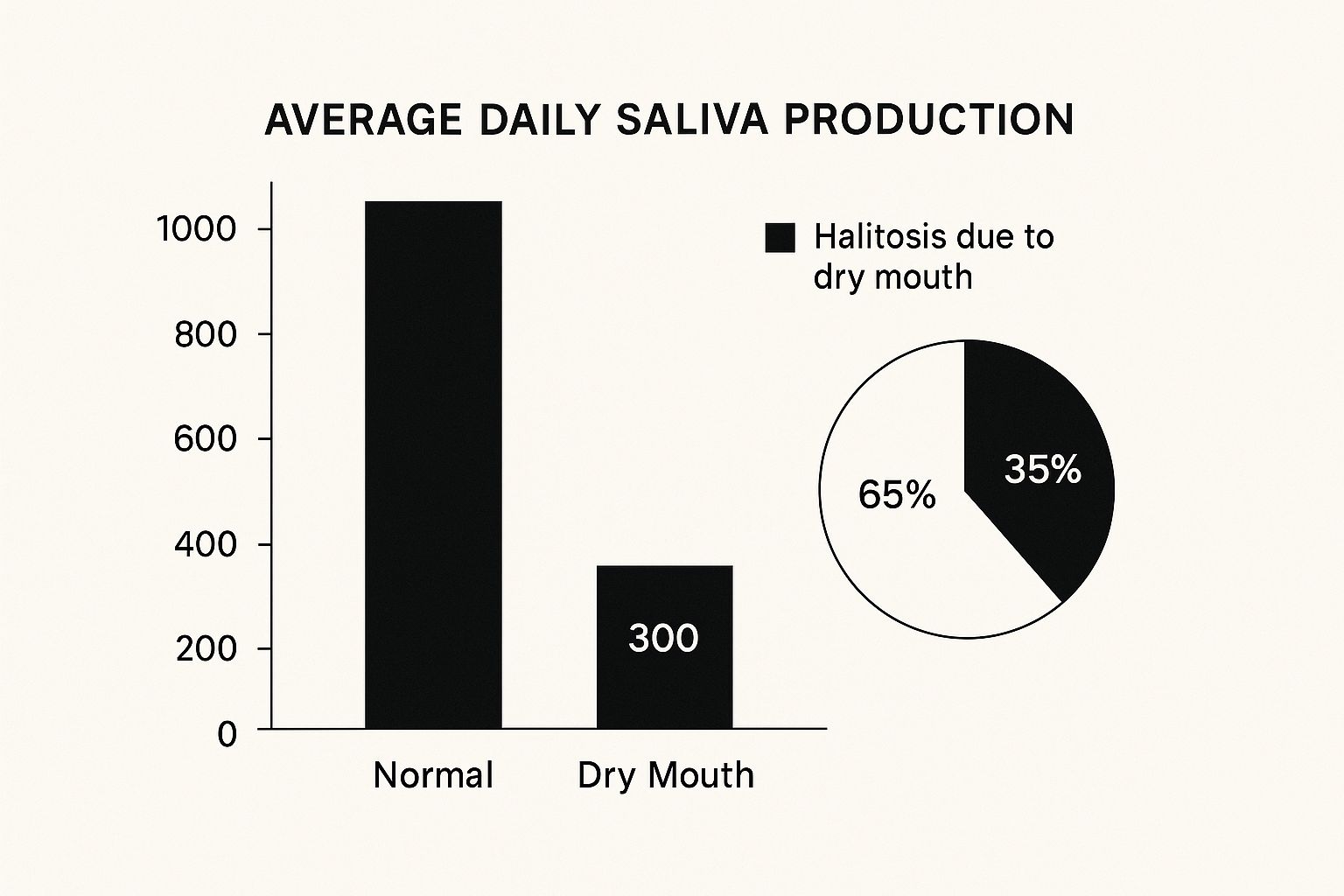
As the data shows, dry mouth isn’t a minor player; it’s a huge factor, responsible for more than a third of halitosis cases.
When Breath Odor Points to a Systemic Disease
Once in a while, a very specific and unusual breath odor can be a direct clue to a serious underlying medical condition affecting your entire body. These distinct smells are caused by chemicals building up in your bloodstream and eventually getting released through your lungs when you exhale.
It’s important to remember these are less common causes, but they’re critical to be aware of. If you notice one of these specific odors along with other symptoms, it’s definitely time to see a medical doctor.
Here’s a quick reference table connecting some of these conditions to their tell-tale odors.
Medical Conditions and Their Associated Breath Odors
| Medical Condition | Associated Breath Odor | Underlying Reason |
|---|---|---|
| Uncontrolled Diabetes | Fruity or Acetone-like | The body burns fat for fuel, producing chemicals called ketones. |
| Kidney Failure | Fishy or Ammonia-like | Kidneys can no longer filter waste, causing toxins to build up. |
| Liver Disease | Musty or “Fruity-Musty” | Known as fetor hepaticus, it’s a sign of chronic liver issues. |
| GERD | Sour or “Old Food” | Stomach acid and undigested food reflux into the esophagus. |
This table shows just how directly your breath can reflect what’s happening deeper inside your body.
While bad breath can be a clear signal of these kinds of health issues, it’s also smart to be aware of broader environmental factors that affect your well-being. For a deeper dive, you can explore the potential health risks of endocrine disruptors and see how they might impact your body’s systems. Recognizing these signals helps you look beyond just your oral care routine to find and fix the real root of the problem.
The Overlooked Role of Dry Mouth in Halitosis

Many people battling stubborn bad breath think the answer is just more brushing and flossing. While hygiene is crucial, they often miss a major, silent culprit. The problem isn’t always what’s being added to your mouth, but what’s missing: saliva.
This condition, known as xerostomia or dry mouth, is a leading cause of halitosis that often flies under the radar.
Think of saliva as your mouth’s own cleaning crew. It’s constantly working to rinse away lingering food particles, wash away the dead cells that bacteria feast on, and neutralize damaging acids. When that natural rinse cycle slows down or stops, your mouth’s environment takes a turn for the worse.
Without enough saliva, all that debris and bacteria just sit there, stagnating and multiplying. This creates a five-star resort for the anaerobic bacteria that pump out nasty-smelling volatile sulfur compounds (VSCs), turning your mouth into a source of odor.
Common Triggers for Dry Mouth
So, what causes this essential cleaning service to go on strike? Dry mouth is more than just feeling a little thirsty. It’s often a side effect of everyday habits, lifestyle choices, or even the medications you take.
Common culprits include:
- Dehydration: This one’s simple. Not drinking enough water is a top reason. If your body doesn’t have enough fluids, it can’t produce enough saliva.
- Mouth Breathing: Breathing through your mouth, especially when you sleep, is like leaving a fan on—it rapidly evaporates saliva and dries out all your oral tissues.
- Medications: Hundreds of common over-the-counter and prescription drugs list dry mouth as a side effect, including medications for allergies, depression, anxiety, and high blood pressure.
The causes of bad breath are complex, often mixing oral hygiene with bigger-picture systemic and lifestyle factors. For example, reduced salivary flow is a common issue for older adults due to medications or chronic health conditions, which directly contributes to halitosis since saliva is so vital for cleansing the mouth. As research confirms, lifestyle choices, stress levels, and underlying health issues all play a significant role in causing bad breath. You can read the full research about these interconnected causes to get a better sense of how it all fits together.
How to Manage Dry Mouth and Restore Freshness
The good news is that you can take practical steps to fight back against dry mouth and help restore your mouth’s natural defenses. The goal is to get your saliva flowing again and keep your oral environment properly hydrated.
Key Takeaway: Managing dry mouth isn’t just about finding temporary relief—it’s about re-establishing the healthy, balanced ecosystem your mouth needs to stay fresh on its own.
Start by making a conscious effort to drink more water throughout the day. Chewing sugar-free gum or sucking on sugar-free hard candies can also give your salivary glands the nudge they need to get working.
If those tricks aren’t cutting it, over-the-counter saliva substitutes like sprays or rinses can provide relief. Most importantly, don’t neglect your hygiene routine. Consistent professional dental cleaning services are essential for removing the plaque and tartar that thrive in a dry environment.
Knowing When to See a Professional
Most of the time, you can tackle the causes of bad breath with better daily habits, like being more consistent with your brushing and flossing. Simple, right? But what if you’ve stepped up your routine and the odor still hangs around? That might be your body’s way of signaling that something more is going on. It’s important to know the difference between a temporary issue, like morning breath, and persistent halitosis that really needs an expert opinion.
If your bad breath just won’t go away despite your best efforts, it’s officially time to book a visit with your dentist. This is especially true if you’re noticing any specific red flags that point to a deeper oral health problem.
Red Flags That Require a Professional Visit
Don’t just brush these warning signs aside. They often indicate an underlying issue that needs professional treatment to fix both the condition and the bad breath it’s causing.
- Bleeding or Swollen Gums: This is a classic sign of gingivitis or even more advanced gum disease, which creates deep pockets where odor-causing bacteria love to hide.
- Persistent Dry Mouth: If drinking more water isn’t cutting it, your dentist can help investigate potential causes, from the medications you’re taking to other health conditions.
- Painful Sores or White Spots: Any unusual sores, patches, or strange spots on your tongue, gums, or cheeks should be examined right away to rule out anything serious.
- Loose Teeth or Pain While Chewing: These are serious symptoms that can signal advanced periodontal disease, which damages the very structures holding your teeth in place.
- Bad Breath with a Fever or Cough: This combination could point to a respiratory tract infection, like bronchitis or a sinus infection, that requires a trip to your medical doctor.
Think of your dentist as your first line of defense. Since over 85% of chronic bad breath cases originate from oral health issues, a thorough dental exam is the most logical and effective place to start.
When you come in for a visit, your dentist will perform a comprehensive check-up, looking for decay, gum disease, and any other potential sources of the odor. Based on their findings, they’ll recommend a clear course of action, which could be anything from a deep cleaning to restorative work. Ultimately, high-quality preventive dental care is the best way to stop these problems before they ever start.
If your dentist gives your mouth a clean bill of health, they may suggest you see your family doctor next. This is the right move to investigate potential systemic issues like GERD, chronic sinus problems, or the other medical conditions we’ve discussed. By taking this step, you’re not just managing bad breath—you’re taking control of your total well-being.
Frequently Asked a Few Things About Bad Breath
Even after learning what causes bad breath, it’s normal to still have a few questions. Let’s tackle some of the most common ones we hear from our patients to clear up any lingering confusion and bust a few myths along the way.
Why Do I Still Have Bad Breath After Brushing My Teeth?
This is probably the most frustrating question we get. If you’re brushing like a champ but the odor just won’t quit, it’s a big clue that the problem goes beyond your tooth surfaces.
Think of it this way: brushing only cleans part of your mouth. Odor-causing bacteria love to hide on the back of your tongue, get wedged between your teeth, or even camp out in tonsil stones. If you’ve got your hygiene routine down and the smell persists, it could point to something deeper, like chronic dry mouth or an underlying medical issue.
Key Insight: Brushing is just one piece of the puzzle. If you aren’t flossing and scraping your tongue, you’re basically leaving the biggest troublemakers behind to keep causing odors.
Does Mouthwash Actually Cure Bad Breath?
Most of the mouthwashes you find at the grocery store are little more than a breath mint in liquid form. They’ll give you a temporary blast of minty freshness, but they only mask the odor for a little while.
Some therapeutic rinses are designed to kill bacteria, but they work best as part of a complete oral hygiene routine. A swish of mouthwash simply can’t dislodge the plaque and food particles that are the root cause of the smell—only a good brushing and flossing session can do that.
Can Stress Give Me Bad Breath?
Believe it or not, yes! Stress is an indirect, but very real, contributor to bad breath. When you’re under a lot of pressure, your body often produces less saliva, leading to dry mouth (xerostomia). This creates the perfect breeding ground for smelly bacteria to thrive.
On top of that, when people are stressed out, it’s common for self-care routines to slip. Skipping a brushing session here or forgetting to floss there allows plaque and bacteria to build up, making the problem even worse.
Is It Normal for Kids to Have Chronic Bad Breath?
An occasional case of “dragon breath,” especially in the morning, is totally normal for kids. However, if your child has bad breath that just doesn’t go away, it’s not something to ignore.
The causes are often the same as in adults—poor hygiene, breathing through their mouth instead of their nose, or sinus problems. If you’ve helped them improve their brushing and tongue cleaning and the odor still lingers, it’s a great time to schedule a visit with their dentist or pediatrician.
To get to the bottom of persistent bad breath, you need a team that looks at the big picture. Trust the experts at Beyond Dental Care for a comprehensive evaluation. We provide personalized, patient-focused care to help you get your oral health—and your confidence—back on track. Schedule your appointment with us today.