
Navigating your diet after a tooth extraction is a crucial step toward a smooth and speedy recovery. The right foods do more than just prevent pain at the extraction site; they provide the essential nutrients your body needs to heal tissues, reduce inflammation, and prevent complications like a dry socket. Sticking to a soft food diet for the first few days is non-negotiable, as it protects the sensitive area and the forming blood clot that is vital for healing.
This guide is designed to take the guesswork out of your post-procedure meal planning. We will explore a curated list of the best soft foods to eat after tooth extraction, moving beyond generic advice to offer practical preparation tips and highlight their specific nutritional benefits. From nutrient-dense broths that soothe and hydrate to protein-packed yogurts that support tissue repair, you will learn exactly how to fuel your body for optimal healing. Our goal is to empower you with simple, actionable choices that make your recovery period as comfortable and effective as possible. You'll find clear, easy-to-follow suggestions for each meal, ensuring you stay nourished without disrupting the healing process. Let's get started.
1. Bone Broth and Clear Soups
In the immediate aftermath of a tooth extraction, your primary goals are to stay hydrated, nourished, and prevent irritation at the surgical site. Bone broth and clear soups are exemplary choices for this delicate period. They are entirely liquid, requiring no chewing, which protects the sensitive area and the crucial blood clot forming in the socket. This makes them one of the safest and most beneficial soft foods to eat after tooth extraction.
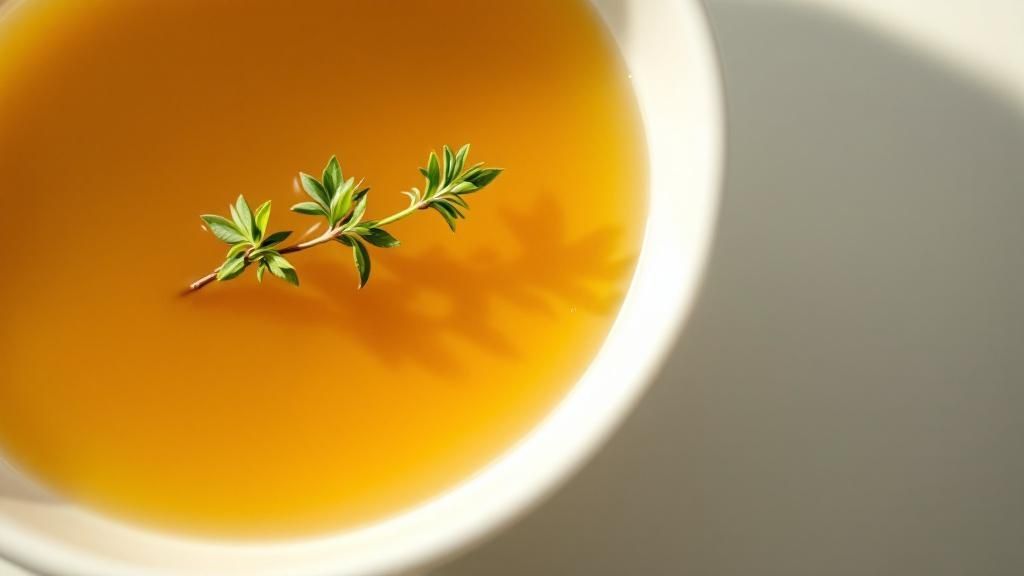
These liquids are more than just water; they are packed with nutrients essential for recovery. The slow simmering of bones, vegetables, and herbs releases minerals, collagen, and amino acids like glycine and proline. These compounds are the building blocks for tissue repair and have anti-inflammatory properties that can help soothe your gums and promote faster healing.
Why It Works for Post-Extraction Healing
Bone broth is a powerhouse of nutrition in a easily digestible format. Its high collagen content directly supports the regeneration of gum and connective tissues, which is exactly what your body needs to do after an extraction. Furthermore, its warm (not hot) temperature can be very comforting, while its savory flavor provides a satisfying alternative to the sweet options often recommended.
Key Insight: The amino acids in bone broth, specifically glycine and proline, are crucial for collagen synthesis. Consuming these nutrients can provide your body with the raw materials needed to rebuild the soft tissue at the extraction site, potentially accelerating the healing process.
Actionable Tips for Preparation and Consumption
To get the most out of this healing food, proper preparation and consumption are key.
- Cool It Down: Always let your broth or soup cool to a lukewarm or room temperature. Hot liquids can dissolve the protective blood clot, leading to a painful condition known as dry socket.
- Strain Meticulously: Ensure your soup is completely clear. Use a fine-mesh sieve to remove all solid particles, including small herbs, vegetable pieces, or meat bits that could get lodged in the extraction site.
- Sip, Don't Slurp: Avoid using a straw, as the suction can dislodge the blood clot. Instead, sip slowly and gently directly from a cup or with a spoon.
- Enhance for Hydration: Add a small pinch of high-quality sea salt. This not only improves the taste but also helps replenish electrolytes, keeping you properly hydrated.
- Batch and Freeze: Make a large batch before your procedure and freeze it in single-serving portions. This makes it incredibly convenient to have a nourishing meal ready to go when you don't feel up to cooking.
2. Greek Yogurt and Smooth Yogurt Products
After a tooth extraction, finding foods that are both gentle on your mouth and nutritionally dense is crucial for a smooth recovery. Greek yogurt and similar smooth yogurt products fit this description perfectly. Their creamy, cool consistency requires absolutely no chewing, which helps protect the delicate surgical site and the vital blood clot that forms within the tooth socket. This makes them a top-tier choice among soft foods to eat after tooth extraction.
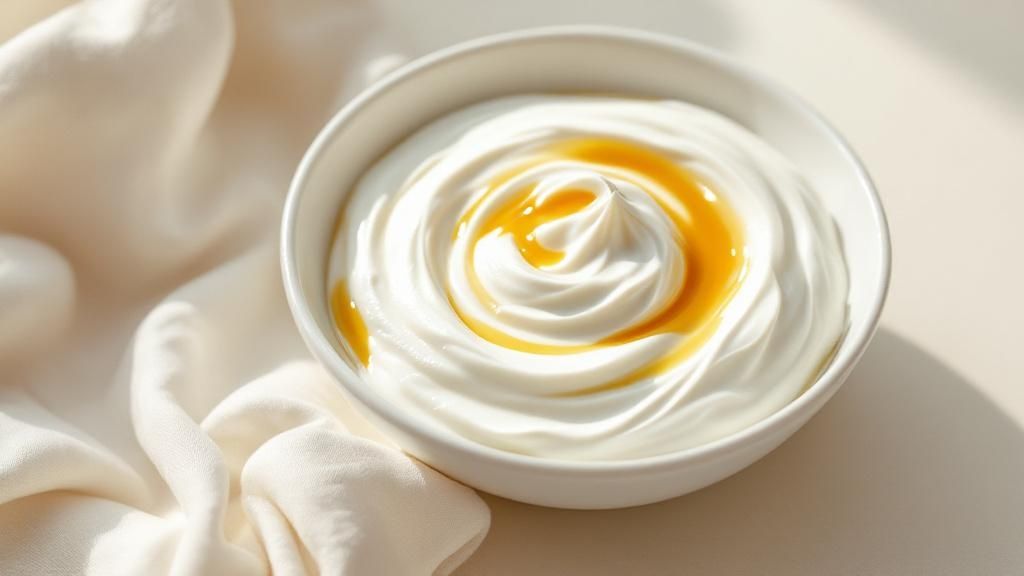
These products are not just easy to eat; they are packed with high-quality protein, which is essential for tissue repair and regeneration. Additionally, many yogurts contain live and active cultures, or probiotics, which support a healthy gut microbiome. This can be particularly beneficial if you are taking antibiotics prescribed by your dentist, as probiotics help maintain digestive balance.
Why It Works for Post-Extraction Healing
Greek yogurt offers a dual-action benefit for recovery. Its protein content provides the necessary building blocks for your body to heal the gum tissue and bone at the extraction site. Secondly, its cool temperature can provide a soothing, anti-inflammatory effect, helping to numb the area and reduce swelling, which is common in the first 24-48 hours. Its smooth texture glides over the wound without causing irritation.
Key Insight: The combination of high protein for tissue repair and live probiotics for gut health makes Greek yogurt a uniquely powerful recovery food. The probiotics can help counteract the digestive side effects of post-procedure antibiotics, supporting your overall well-being during the healing process.
Actionable Tips for Preparation and Consumption
To maximize the benefits of yogurt and ensure a safe experience, follow these specific guidelines.
- Choose Wisely: Opt for plain, unsweetened Greek yogurt or skyr. Avoid yogurts with granola, seeds, or fruit chunks, as these particles can easily get trapped in the socket and disrupt healing.
- Temperature Control: While the cold can be soothing, extreme cold can sometimes cause sensitivity. You can let the yogurt sit out of the refrigerator for 5-10 minutes to bring it to a cool, rather than icy, temperature.
- Boost Calories and Nutrients: If you need more calories, mix in a spoonful of smooth, creamy peanut or almond butter. You can also add a swirl of honey or a very smooth, seedless fruit puree for flavor.
- No Straws, Just Spoons: As with all foods and drinks after extraction, do not use a straw. The suction can dislodge the blood clot. Use a spoon and take small, gentle bites.
- Consider Dairy-Free Options: If you are lactose intolerant or prefer not to consume dairy, there are many excellent dairy-free alternatives made from almond, coconut, or soy milk. Ensure they have a similar smooth texture and are free of chunks.
3. Smoothies and Protein Shakes
When you need a substantial, nutrient-dense meal without any chewing, smoothies and protein shakes are an excellent solution. These blended drinks allow you to combine fruits, vegetables, healthy fats, and protein into a single, easy-to-consume beverage. This makes them a powerhouse choice among the soft foods to eat after tooth extraction, delivering significant nutrition when your dietary options are limited.
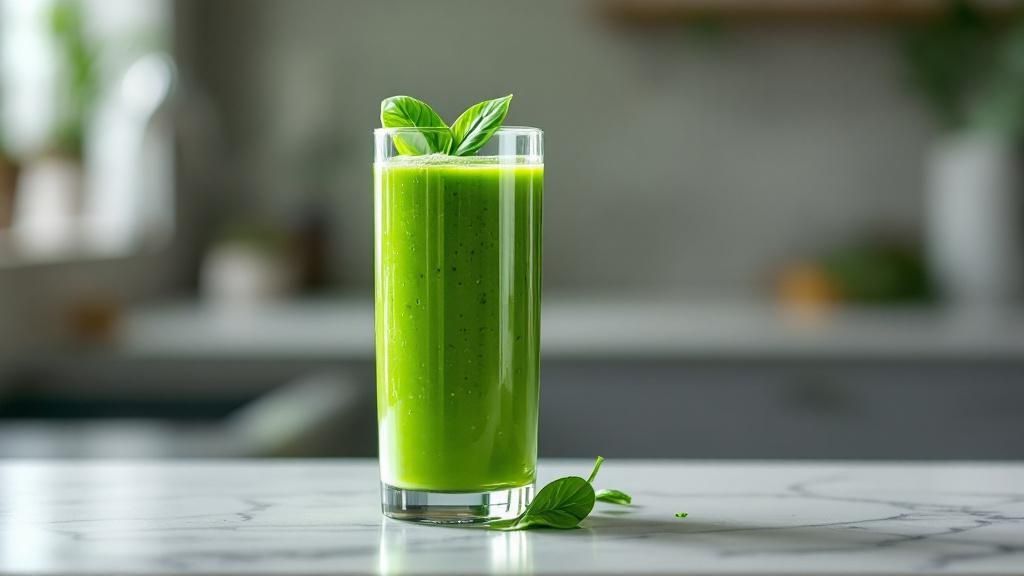
Unlike simple juices, a well-made smoothie or shake provides a balanced mix of macronutrients: carbohydrates for energy, protein for tissue repair, and fats for satiety and calorie density. This balanced nutritional profile is critical for supporting your body's healing mechanisms and keeping your energy levels stable during recovery.
Why It Works for Post-Extraction Healing
The main advantage of smoothies and shakes is their customizability and nutritional efficiency. You can easily add ingredients that directly support recovery, such as anti-inflammatory fruits like berries or vitamin C-rich ingredients like spinach, which is vital for collagen formation and gum health. Protein powder is another key addition, providing the amino acids necessary to rebuild damaged tissue at the extraction site.
Key Insight: A smoothie can be a complete meal in a cup. By including a source of protein (like protein powder or Greek yogurt) and healthy fats (like avocado or almond butter), you create a beverage that not only soothes but also provides the sustained energy and building blocks your body needs for optimal healing.
Actionable Tips for Preparation and Consumption
To ensure your smoothie aids, rather than hinders, your recovery, follow these specific guidelines.
- No Straws, No Exceptions: This is the most important rule. The suction created by using a straw can easily dislodge the protective blood clot in the tooth socket, leading to a painful dry socket. Sip directly from the glass.
- Blend Until Silky Smooth: Make sure there are no seeds, chunks, or fibrous bits left. A high-powered blender is ideal. Strain the smoothie through a fine-mesh sieve if necessary to remove any particles from ingredients like raspberries or blackberries.
- Keep It Cool: Avoid using frozen fruits in the first 24-48 hours, as extreme cold can sometimes cause discomfort. Use refrigerated or room-temperature ingredients instead to create a cool, soothing drink.
- Boost with Anti-Inflammatories: Add a small piece of fresh ginger or a dash of turmeric to your blend. Both are known for their natural anti-inflammatory properties, which can help reduce swelling and discomfort.
- Plan Ahead: For those looking for more variety or specific dietary options for liquid meals, exploring delicious hemp protein powder shake recipes can provide great ideas for nutritious and easy-to-make options.
4. Mashed Potatoes and Root Vegetables
When your energy is low and you need something substantial yet gentle, mashed potatoes and other root vegetables are an outstanding choice. This classic comfort food is soft, easy to swallow, and provides necessary carbohydrates for energy, which is vital when your body is focused on healing. Their smooth, creamy texture ensures there are no hard bits to irritate the extraction site, making them one of the most reliable soft foods to eat after tooth extraction.
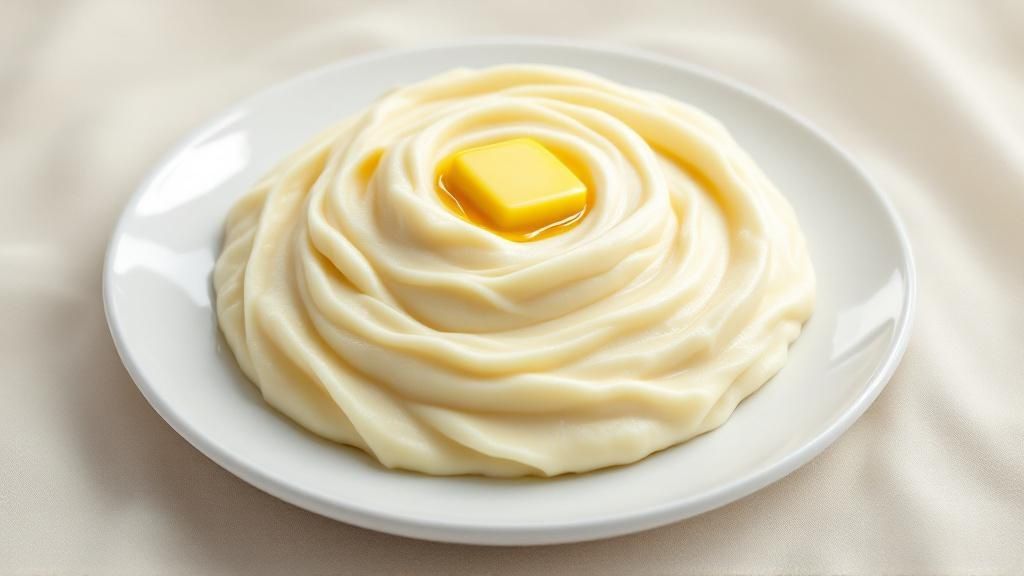
Beyond classic potatoes, this category includes other nutrient-dense options like sweet potatoes, carrots, parsnips, and even cauliflower for a lower-carb alternative. Sweet potatoes, for instance, are rich in Vitamin A, an antioxidant that plays a key role in immune function and maintaining healthy mucous membranes, including your gums. By enriching them with butter, milk, or cream, you can easily add calories and fat, helping you feel full and satisfied.
Why It Works for Post-Extraction Healing
Mashed vegetables offer a significant advantage by delivering satiety and energy without the need for chewing. The carbohydrates they contain help replenish glycogen stores, giving your body the fuel it needs for the demanding process of tissue repair. Their familiar, comforting nature can also provide a psychological boost during a recovery period that can often feel limiting and frustrating.
Key Insight: The soft, homogenous texture is paramount. Properly mashed vegetables are completely smooth, eliminating the risk of rogue particles getting trapped in the empty socket. This prevents irritation and potential infection, allowing the crucial blood clot to remain undisturbed.
Actionable Tips for Preparation and Consumption
To ensure your mashed vegetables are both safe and nourishing, follow these simple preparation and consumption tips.
- Achieve Ultimate Smoothness: For a perfectly safe texture, boil vegetables until they are exceptionally tender. After mashing, consider passing them through a potato ricer or a fine-mesh sieve to remove any remaining lumps or fibrous strands.
- Cool to a Safe Temperature: Hot foods can be detrimental to the healing socket. Always allow your mashed vegetables to cool to a lukewarm or room temperature before eating.
- Enrich for Nutrition: Boost the calorie and nutrient content by incorporating soft, smooth additions. Stir in butter, sour cream, cream cheese, or a gentle splash of warm milk or broth.
- Keep Seasoning Simple: Avoide coarse or flaky seasonings like cracked black pepper or herb flakes that could get stuck. Stick to finely ground salt or powders for flavor.
- Prepare in Advance: Make a large batch ahead of your procedure. Store it in the refrigerator for easy access to a quick, gentle meal that can be gently reheated in the microwave as needed.
5. Applesauce and Pureed Fruits
When you crave something naturally sweet yet safe for your healing mouth, applesauce and other pureed fruits are an excellent choice. Their completely smooth, soft texture requires no chewing, which is vital for protecting the extraction site and the fragile blood clot. This gentleness makes them a classic and highly recommended option among the best soft foods to eat after tooth extraction.
These fruit purees are more than just a convenient snack; they offer valuable hydration and essential vitamins. Fruits are a natural source of Vitamin C, which plays a critical role in wound healing and immune function. Consuming these nutrients in an easily digestible form helps support your body's recovery process without putting any strain on the surgical area.
Why It Works for Post-Extraction Healing
Applesauce provides a source of gentle energy from natural fruit sugars at a time when you might not feel like eating much. Its high water content also contributes to hydration, which is crucial for healing. The smooth consistency ensures that no seeds, skins, or other abrasive particles can irritate or become trapped in the empty tooth socket, minimizing the risk of infection or other complications.
Key Insight: Choose unsweetened varieties of applesauce or fruit purees. Added sugars can promote bacterial growth and inflammation in the mouth, which is counterproductive to healing. Reading the label to ensure "no sugar added" is a simple but effective step to aid your recovery.
Actionable Tips for Preparation and Consumption
Proper selection and preparation are crucial to making pureed fruits a safe and beneficial part of your recovery diet.
- Go Unsweetened: Always opt for unsweetened applesauce, pears, peaches, or other fruit purees. Check the ingredients list to avoid high-fructose corn syrup and other added sugars.
- Avoid Acidity: Steer clear of highly acidic fruits like citrus (oranges, lemons, grapefruit) and pineapple in the first few days. Their acidity can cause stinging and irritation at the sensitive extraction site.
- Serve at Room Temperature: Do not eat warm or hot pureed fruits. Ensure they are cool or at room temperature to protect the blood clot from dissolving.
- Boost with Protein: For a more substantial and healing-focused meal, gently stir in a scoop of plain Greek yogurt or a mild-flavored, smooth protein powder.
- DIY for Purity: Make your own purees by simply cooking soft fruits like pears or peaches (with skins and seeds removed) and blending them until perfectly smooth. This gives you complete control over the ingredients.
6. Scrambled Eggs and Egg-based Dishes
When you're ready to move beyond liquids but still need something exceptionally gentle, scrambled eggs offer a perfect transition. Their soft, creamy texture requires almost no chewing, making them an ideal and substantial meal after oral surgery. This high-protein option supports muscle and tissue repair, crucial for a speedy recovery, solidifying its place as one of the best soft foods to eat after tooth extraction.
Eggs are a nutritional powerhouse, providing a complete source of protein with all nine essential amino acids. They are also rich in vitamins like A, D, and B12, and minerals such as phosphorus and selenium, all of which play a role in immune function and the body's natural healing mechanisms. Their versatility allows for preparations that are both nourishing and easy to consume.
Why It Works for Post-Extraction Healing
The primary benefit of scrambled eggs lies in their texture and nutrient density. Properly cooked eggs are soft enough to be managed without irritating the extraction site. The high-quality protein is vital for repairing the gum and bone tissues that were disturbed during the procedure. Unlike tougher protein sources like meat, eggs provide these essential nutrients in a form your mouth can handle in the days following surgery.
Key Insight: Protein is not just for building muscle; it is fundamental for wound healing. The amino acids in eggs are the direct building blocks your body uses to regenerate soft tissue and bone at the surgical site. A protein-rich diet can significantly aid in a faster, more effective recovery.
Actionable Tips for Preparation and Consumption
To ensure your egg dishes are recovery-friendly, focus on achieving the softest possible consistency.
- Cook Low and Slow: Avoid high heat, which makes eggs tough and rubbery. Cook them over low heat, stirring constantly, for a creamy, custard-like texture. Adding a splash of milk or cream can enhance this softness.
- Cool Completely: Like all foods post-extraction, let your eggs cool down to a lukewarm or room temperature. Hot food can disrupt the healing process and cause pain.
- Mash Thoroughly: If preparing egg salad, mash the boiled eggs until they are extremely fine and smooth. Use a generous amount of mayonnaise or Greek yogurt to create a paste-like consistency, ensuring there are no large chunks.
- Season Simply: Initially, season only with a small amount of salt. Avoid pepper, chili flakes, or other granular spices that could get stuck in the socket and cause irritation.
- Consider Soft-Boiled: A very soft-boiled egg with a runny yolk can be another excellent option. You can gently eat the soft whites and yolk with a spoon, avoiding the extraction area.
Soft Food Options Comparison After Tooth Extraction
| Item | Implementation Complexity 🔄 | Resource Requirements ⚡ | Expected Outcomes 📊 | Ideal Use Cases 💡 | Key Advantages ⭐ |
|---|---|---|---|---|---|
| Bone Broth and Clear Soups | Moderate (simmering, straining) | Low to moderate (ingredients, time) | Supports healing, hydration, tissue repair | First 24-48 hours post-extraction | Rich in collagen, easy digestion, hydrating |
| Greek Yogurt and Smooth Yogurt | Low (ready-to-eat, minimal prep) | Low (purchase/store) | Protein-rich, reduces swelling, gut support | Day 1-2 post-extraction and recovery phases | High protein, probiotics, cooling effect |
| Smoothies and Protein Shakes | Low to moderate (blending, mixing) | Moderate (varied ingredients, blender) | Complete nutrition, calorie-dense, healing | Throughout entire recovery period | Customizable, nutrient-dense, quick to consume |
| Mashed Potatoes and Root Veg. | Low to moderate (cooking, mashing) | Low (basic kitchen tools, ingredients) | Energy provision, comforting texture | Starting 2-3 days post-extraction | High calories, comforting, easy to enhance |
| Applesauce and Pureed Fruits | Low (purchase or simple blending) | Low (fruit or store-bought) | Provides vitamins, antioxidants, energy | Day 1 and throughout recovery | Naturally sweet, rich in vitamin C and fiber |
| Scrambled Eggs and Egg Dishes | Moderate (cooking skill required) | Low (eggs, simple kitchen tools) | High-quality protein, tissue repair | Starting 2-3 days post-extraction | Complete protein, nutrient-dense, versatile |
Next Steps for a Speedy Recovery
Navigating your diet after a tooth extraction is a crucial step toward ensuring a smooth and comfortable healing process. This guide has provided a curated selection of soft foods to eat after tooth extraction, each chosen for its nutritional value, ease of consumption, and ability to support your body's recovery needs. From the hydrating minerals in bone broth to the gentle proteins in scrambled eggs, these options offer a robust foundation for your post-procedure meal plan.
The key takeaway is that your diet doesn't have to be bland or unsatisfying. By focusing on nutrient-dense, easy-to-prepare meals like mashed root vegetables, Greek yogurt, and protein-packed smoothies, you can actively promote healing while keeping hunger at bay. The goal is to provide your body with the fuel it needs without putting stress on the sensitive extraction site.
Actionable Steps for a Successful Recovery
To put these insights into practice, consider the following steps:
- Plan Ahead: Before your procedure, stock your pantry and refrigerator with the ingredients for these soft foods. Having items like applesauce, yogurt, eggs, and broth on hand will prevent last-minute stress.
- Prioritize Hydration: Keep a water bottle nearby at all times. Staying hydrated is essential for flushing out toxins and supporting cellular repair. Avoid straws, as the suction can dislodge the crucial blood clot.
- Listen to Your Body: Start with liquids and smooth purees in the first 24-48 hours, gradually introducing softer, more textured foods like scrambled eggs or mashed avocado as you feel comfortable. Pain or discomfort is a signal to stick with smoother options.
- Maintain Oral Hygiene Gently: Follow your dentist’s specific instructions for cleaning your mouth. This usually involves gentle saltwater rinses after 24 hours to keep the area clean without disturbing the healing socket.
Mastering your post-extraction diet is about more than just comfort; it’s about actively participating in your own healing. A well-managed diet helps prevent complications like dry socket, reduces swelling, and provides the building blocks your body needs to repair tissue effectively. Beyond just diet, effective recovery involves various strategies. Learn more about general guidelines for successful post-operative recovery to support your healing journey from all angles. By making smart, gentle food choices, you empower yourself to recover faster and get back to your routine with confidence.
If you have questions about your specific recovery plan or need personalized guidance following a procedure, the team at Beyond Dental Care is here to help. We provide comprehensive, patient-focused support to ensure your experience is as comfortable and seamless as possible. Contact Beyond Dental Care today to schedule a follow-up or consultation.