
For families in North Glendale, Norterra, and the surrounding Phoenix communities, a dental emergency on a weekend or holiday can quickly turn from discomfort to distress. Many general dental offices are closed, and hospital emergency rooms often lack the specialized equipment to provide definitive dental treatment, leaving you in a painful limbo. This delay frequently leads to temporary fixes, potential misdiagnoses, and unnecessary expenses, all while valuable time is lost and pain intensifies. Understanding the specific phoenix area emergency dental trends every family should prepare for is the first step toward effective prevention and immediate response.
Relying on an urgent care clinic for a severe toothache can mean getting a prescription for painkillers without addressing the root cause, allowing an infection to worsen. Similarly, an ER visit for a knocked-out tooth might not result in the specialized care needed to save it. Without a known emergency dental resource, families waste time and endure more pain than necessary. This is why having a plan and a trusted local resource is critical. This guide breaks down the most common and pressing dental emergencies affecting Phoenix families, from sports-related trauma in teens to complications from extreme heat.
We will provide useful tips into each trend, including prevention tips, immediate response steps, and guidance on when to seek professional care. You will learn how to build a family dental emergency kit, recognize early warning signs of infection, and navigate issues unique to our desert climate. Consider this your family's blueprint for navigating unexpected dental crises with confidence and ensuring you have a trusted partner like Beyond Dental Care ready to help, especially when other offices are closed.
1. Acute Dental Trauma in Teens & Young Adults: Family Emergency Response Kit Preparedness
Dental trauma, including knocked-out teeth, fractured crowns, and jaw injuries, represents a leading issue among the Phoenix area emergency dental trends every family should prepare for. It is particularly common among active teens and young adults involved in sports or recreational activities. The key to mitigating long-term damage lies in family preparedness. This includes creating a complete emergency dental response kit and understanding immediate first-aid steps. This proactive approach can preserve a tooth and greatly reduce the risk of permanent damage.
Residents of North Glendale and Norterra often find themselves in a bind when a dental emergency strikes on a weekend or holiday—especially with many general practices closed and ERs unable to provide definitive treatment.
Why Preparedness Is a Non-Negotiable Trend
The American Dental Association and local organizations like Phoenix Children's Hospital emphasize that the first 30 minutes after a dental injury are critical. The quick, correct actions taken on a sports field in Peoria or at a skate park in Glendale can determine if a knocked-out tooth can be successfully put back in. This trend is gaining traction locally. Phoenix-area school districts are now putting emergency dental trauma plans in place for their athletic programs. Furthermore, youth sports leagues are adding dental emergency training to coach certifications, ensuring someone on-site knows what to do.
Key Insight: Relying on standard urgent care for dental trauma can result in temporary relief but risks misdiagnosis or improper handling of the injured tooth. A dedicated emergency dentist is essential for definitive care.
Creating Your Family’s Dental Emergency Kit
Building a dental emergency kit is a simple yet powerful step. Keep one at home and a smaller version in your teen’s sports bag. Here’s what to include:
- A Small Container with a Lid: For safely transporting a knocked-out tooth or tooth fragment.
- Saline Solution or a Save-A-Tooth Kit: To preserve a knocked-out tooth. In a pinch, cold milk is the next best option. Never use tap water.
- Sterile Gauze: To control bleeding and keep the area clean.
- Dental Wax or Temporary Filling Material: Available at most pharmacies, this can cover a sharp edge on a fractured tooth.
- Over-the-Counter Pain Reliever: Such as ibuprofen or acetaminophen (avoid aspirin, which can increase bleeding).
- Emergency Contact Information: Include your family dentist’s number and an after-hours emergency line, like the one provided by Beyond Dental Care.
By practicing these response steps annually as a family, you ensure everyone knows their role when an emergency strikes, turning panic into productive action.
2. Extreme Heat-Related Dental Emergencies: Seasonal Hydration & Tooth Protection Planning
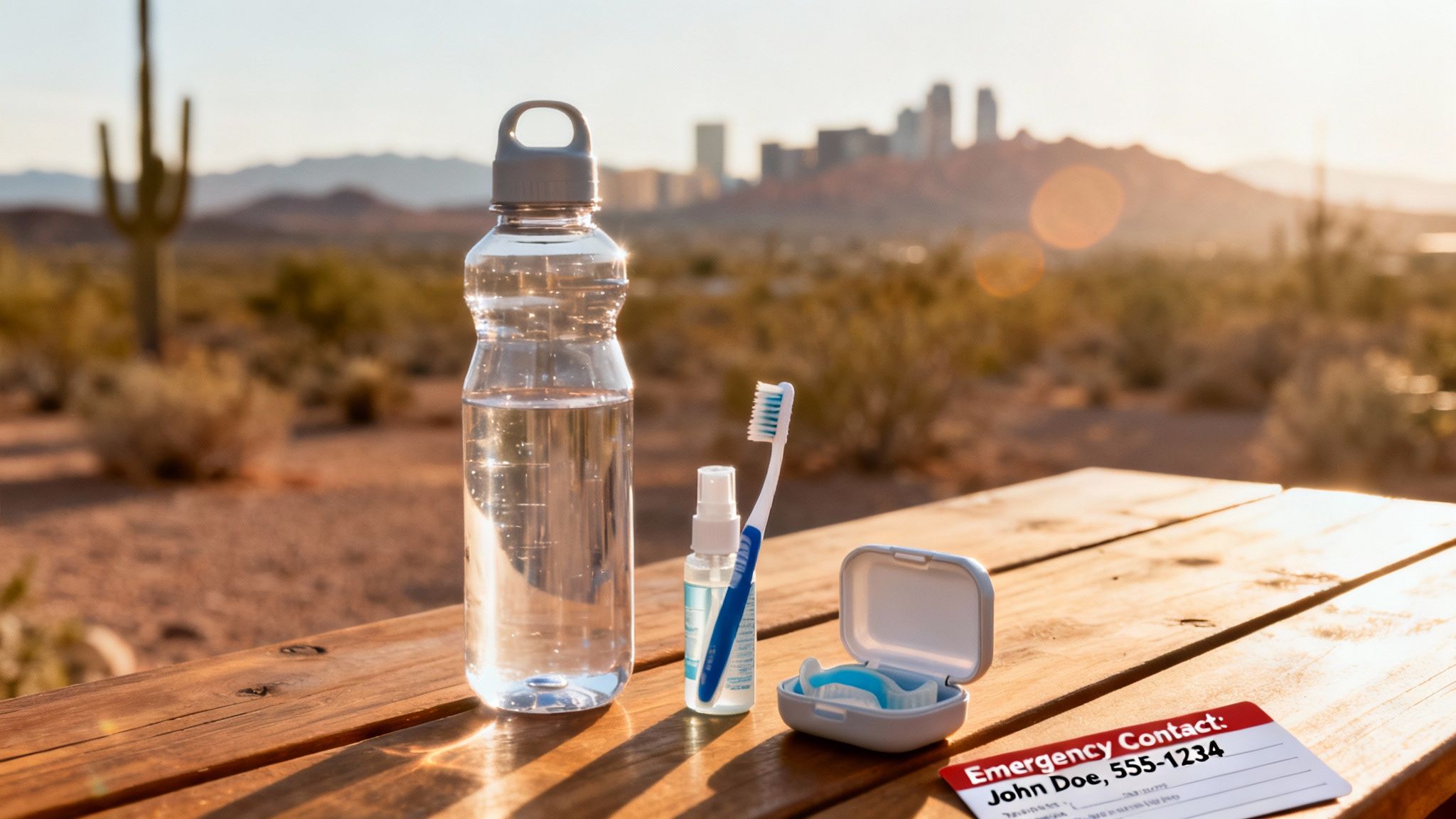
Phoenix's relentless summer heat introduces unique dental health challenges, making heat-related emergencies one of the critical Phoenix area emergency dental trends every family should prepare for. Severe dehydration can drastically reduce saliva production. This creates an ideal environment for faster tooth decay and gum disease. Furthermore, the extreme temperature changes can cause thermal shock to existing dental work like fillings and crowns, leading to fractures and pain. Preparing for these seasonal risks involves developing specific hydration and oral protection plans.
The extreme heat especially impacts outdoor workers and seniors in communities like Stetson Valley and North Peoria. When a dental emergency like a cracked crown from thermal shock happens during a heatwave, finding immediate, specialized care is crucial. Relying on an ER often results in temporary pain management without addressing the underlying dental failure, prolonging discomfort and risking further damage.
Why Preparedness Is a Non-Negotiable Trend
Local health bodies, including the Arizona Department of Health Services, have increased their summer health campaigns to include oral health warnings. This trend is driven by data showing a spike in emergency dental visits for dry mouth complications and failed dental restorations during June through September. In response, Phoenix-area occupational health organizations are now advising businesses with outdoor workers, such as construction companies, to implement mandatory oral hydration breaks. Similarly, senior centers in North Glendale have launched "Summer Smile" awareness programs to educate vulnerable populations on preventing heat-related dental issues.
Key Insight: Dehydration is a primary cause of summer dental emergencies. Reduced saliva flow compromises your mouth's natural ability to neutralize acids and wash away food particles, rapidly increasing your risk for cavities and infections.
Creating Your Family’s Heat-Season Dental Plan
A proactive seasonal plan can protect your family’s smiles from the intense Arizona heat. Focus on hydration, protecting existing dental work, and knowing who to call. Here’s how to prepare:
- Prioritize Consistent Hydration: Aim for at least 8-10 glasses of water daily. For outdoor workers or athletes, this amount should increase significantly. Set reminders on your phone to stay on track.
- Avoid Rapid Temperature Changes: Don't immediately follow a hot meal with an ice-cold drink. This sudden change can cause microscopic cracks in teeth and dental restorations, leading to sensitivity and failure.
- Use a Hydrating Mouth Rinse: If you experience dry mouth, use an alcohol-free, hydrating oral rinse specifically formulated to ease symptoms and protect enamel.
- Schedule a Pre-Summer Checkup: Visit your dentist in the spring to check the condition of old fillings and crowns, ensuring they can withstand summer stresses.
- Keep Emergency Information Accessible: Save your emergency dentist's contact information in your phone. For families in North Glendale and surrounding areas, having Beyond Dental Care’s number ready ensures you can get expert help quickly when an emergency strikes, even on a hot weekend.
By adding these simple habits into your family's summer routine, you can effectively lower the risks of heat-related dental emergencies and ensure oral health remains stable even during Phoenix’s most challenging season.
3. Untreated Periodontal Disease Acute Flare-Ups: Early Detection & Family Prevention Program Implementation
Periodontal disease, commonly known as gum disease, is a major factor contributing to the phoenix area emergency dental trends every family should prepare for. For many adults and seniors in North Phoenix, a chronic, low-grade infection can suddenly flare up into an acute crisis. This can cause severe pain, facial swelling, and abscesses that threaten tooth stability. Family preparedness depends on early detection through at-home screening and implementing a family-wide prevention program to manage the disease before it gets worse.
For seniors in Stetson Valley or families in Arrowhead Ranch, a sudden periodontal flare-up over a weekend can be particularly upsetting. When their regular dentist is closed, many turn to urgent care centers that can only prescribe antibiotics or painkillers, failing to address the underlying dental infection. This approach offers only temporary relief and allows the infection to worsen, potentially leading to more complex and costly treatments.
Why Early Detection Is a Non-Negotiable Trend
The CDC reports that nearly half of American adults aged 30 and over have some form of periodontal disease. This trend is made worse by its connection to systemic health issues like diabetes and heart disease, which are common in the Phoenix area. Local health initiatives, such as Peoria-area diabetes clinics adding dental referrals to their protocols, highlight this growing awareness. Proactive dental practices are responding. For example, Beyond Dental Care’s comprehensive periodontal therapy programs emphasize preventive scaling and root planing before an emergency arises, aligning with guidelines from the American Academy of Periodontology.
Key Insight: A periodontal abscess is a true dental emergency that cannot be resolved with antibiotics alone. The source of the infection must be professionally cleaned by an emergency dentist to prevent it from spreading.
Creating Your Family’s Gum Health Prevention Program
Implementing a family-wide gum health program is a crucial step in preventing painful emergencies. This proactive approach helps everyone maintain oral health and recognize early warning signs. Here’s how to start:
- Establish a Family Baseline: Schedule comprehensive periodontal screenings for all adults in the family to understand their current gum health status.
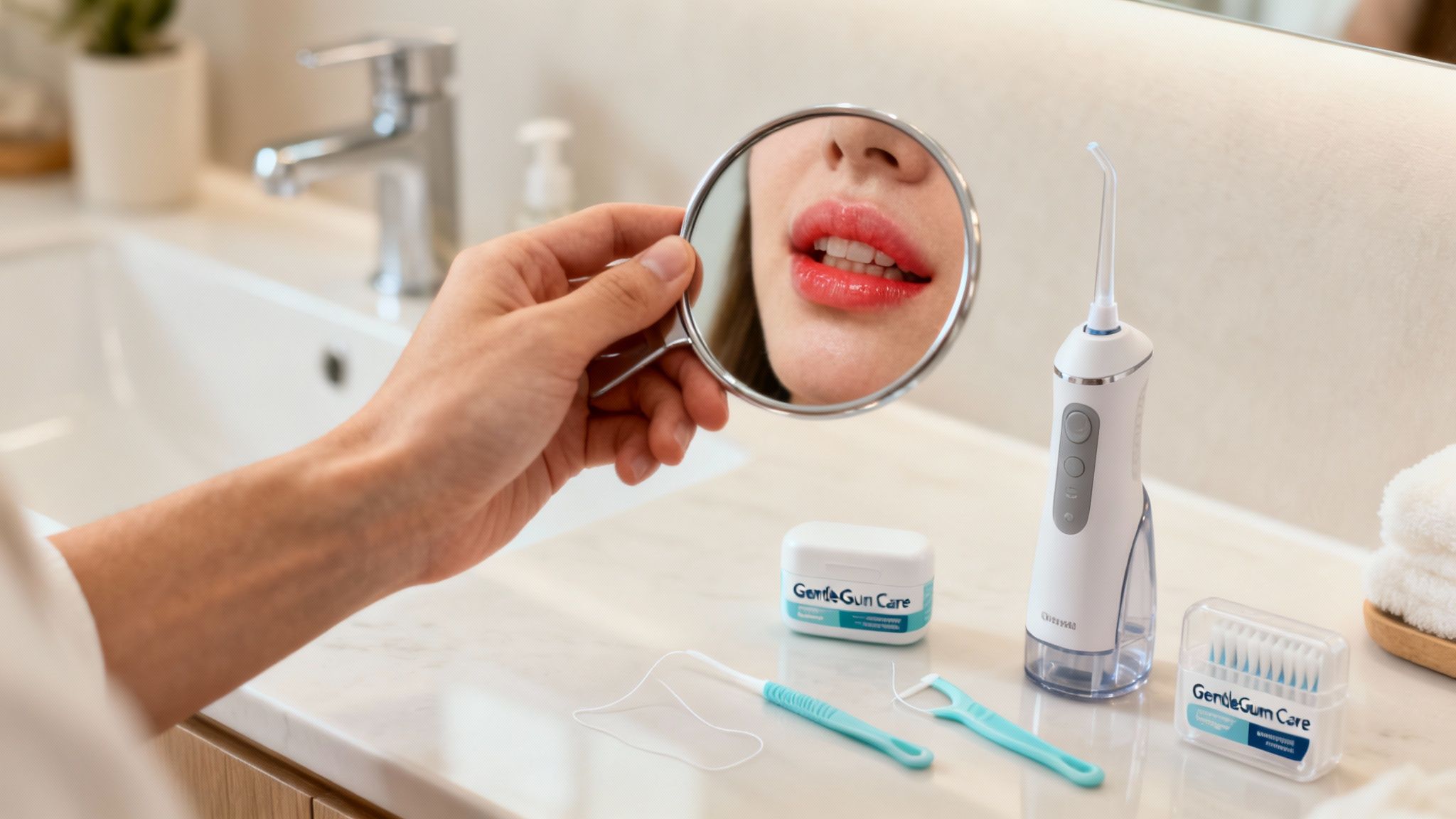
- Learn the Visual Signs: Teach family members to recognize redness, swelling, bleeding during brushing, and receding gums.
- Upgrade Your Daily Routine: Ensure everyone brushes twice daily with a soft-bristle toothbrush and flosses consistently. Water flossers are an excellent alternative for those with dexterity issues.
- Provide Supportive Tools: For seniors, electric toothbrushes and water flossers can significantly improve their ability to clean effectively and compensate for limited mobility.
- Monitor At-Risk Members: Pay closer attention to the oral health of family members with conditions like diabetes or heart disease, as they are more susceptible to gum infections.
- Stay Ahead of Emergencies: The best way to handle a flare-up is to prevent it. You can explore comprehensive information about what periodontal disease treatment involves to better understand your preventive options.
By making gum health a shared family priority, you can significantly reduce the risk of a painful and dangerous dental emergency, turning potential panic into proactive, consistent care.
4. Dental Anxiety-Driven Care Avoidance Leading to Emergency Infections: Desensitization & Anxiety-Reduction Protocol
A significant and often overlooked trend is how dental anxiety leads to delayed care. This can turn minor issues into major emergencies like severe abscesses or infections. For many Phoenix families, fear of the dentist is a greater motivator than the pain of a toothache, causing them to postpone appointments until the situation becomes unbearable. This avoidance is a primary driver behind a key Phoenix area emergency dental trend every family should prepare for: preventable crises stemming from untreated anxiety. Proactive measures, including desensitization protocols and anxiety-reduction strategies, are essential to break this cycle.
When a dental infection becomes a full-blown emergency on a Saturday, residents of Stetson Valley and Arrowhead Ranch can find themselves in a painful dilemma. The regular dentist is closed, and the fear that kept them away is now magnified by the urgency and pain, making the search for immediate care even more stressful.
Why Preparedness Is a Non-Negotiable Trend
Dental anxiety is more than just nerves; it's a serious barrier to preventative health that can lead to costly and painful emergency interventions. The patient-centered approach at Beyond Dental Care highlights a growing understanding that addressing the fear is as critical as treating the tooth. This philosophy is gaining traction locally. Senior centers in Stetson Valley are holding anxiety-reduction education sessions, and parents in Arrowhead Ranch are creating peer-support groups. Acknowledging and managing anxiety before an emergency occurs prevents the escalation of simple problems into complex, invasive procedures.
Key Insight: Ignoring dental anxiety doesn't make it disappear; it allows underlying dental problems to worsen silently until they erupt into a painful emergency, often requiring more extensive and costly treatment.
Creating Your Family’s Anxiety-Reduction Plan
Developing a strategy to manage dental anxiety is a crucial step in your family’s emergency preparedness. This plan helps build confidence and ensures that when an emergency does happen, the focus is on treatment, not fear.
- Identify Triggers Early: Recognize signs of dental anxiety in family members, such as stress before appointments or consistent excuses to delay check-ups. Addressing it early is key.
- Start with Non-Invasive Visits: Schedule a consultation-only appointment to meet the dentist and team. This helps anxious individuals get used to the environment without the pressure of a procedure.
- Establish a Communication System: Work with your dentist to create a simple hand signal (like raising a hand) to indicate the need for a break. This gives the patient a sense of control.
- Practice Relaxation Techniques: Encourage deep breathing exercises or meditation before and during appointments to calm the nervous system.
- Inform Providers in an Emergency: If you need urgent care, immediately inform the dental office about any history of anxiety so they can provide special accommodations and a more comforting experience. For individuals struggling with significant apprehension, exploring various therapeutic approaches can be beneficial; learn about some effective types of therapy for anxiety.
By building a trusting relationship with a compassionate dental provider, you can manage dental anxiety effectively. This proactive approach ensures that fear no longer dictates your family’s oral health.
5. Medication-Related Dry Mouth (Xerostomia) & Secondary Infection Emergencies: Polypharmacy Oral Health Audits
Medication-related dry mouth, or xerostomia, is a significant and often overlooked issue among the Phoenix area emergency dental trends every family should prepare for. Common in seniors and adults taking multiple medications, this condition greatly reduces saliva flow, which is the mouth’s primary defense against bacteria. The resulting dry environment speeds up tooth decay, gum disease, and oral infections that can quickly become painful dental emergencies. Proactive family preparedness, centered on household medication audits, is key to preventing these crises.
For many seniors in communities like Stetson Valley and North Peoria, a sudden, severe toothache linked to dry mouth can become a major health event. When a general dentist is unavailable, the situation can feel hopeless, leading to unnecessary stress and a frantic search for after-hours care. This is where understanding the risk and having a plan becomes essential.
Why Preparedness Is a Non-Negotiable Trend
The connection between systemic health, medication, and oral emergencies is gaining recognition from organizations like the Arizona Geriatrics Society and the American Dental Association. Hundreds of common prescriptions, from blood pressure medication to antidepressants, list dry mouth as a side effect. In the dry Phoenix climate, this effect is made worse. Local initiatives are emerging. For example, senior health clinics in Glendale are identifying drug-induced dry mouth as a priority for emergency prevention. Assisted living communities are coordinating oral health audits with local practices like Beyond Dental Care.
Key Insight: A sudden toothache in an individual on multiple medications is often not just bad luck; it can be a direct result of xerostomia. Treating the symptom without addressing the underlying cause leads to recurring dental emergencies.
Conducting Your Family’s Polypharmacy Oral Health Audit
A medication audit is a straightforward process to identify risks and create a defense plan. It involves reviewing all medications, including over-the-counter drugs and supplements, with your family members and their healthcare providers.
- Inventory All Medications: Create a complete list of every medication, dosage, and frequency. This inventory is also crucial for managing complex health needs; for example, resources for finding Adderall in Phoenix can be a practical part of managing a household's overall pharmaceutical landscape.
- Identify Oral Side Effects: Discuss potential oral side effects, especially dry mouth, with the prescribing physician or pharmacist. Sometimes, an alternative medication with fewer side effects is available.
- Implement Aggressive Prevention: For those at high risk, switch from annual to six-month dental cleanings to catch decay early. At home, use an electric toothbrush and a water flosser for superior plaque removal.
- Use Compensatory Products: Regularly use artificial saliva sprays, gels, or lozenges to keep oral tissues moist. Chewing sugar-free gum or using lozenges with xylitol can stimulate natural saliva flow.
- Modify Lifestyle Habits: Increase daily water intake and avoid known dry mouth triggers like caffeine, alcohol, and spicy foods. This simple change can make a significant difference.
By proactively managing medication-related risks, you can prevent minor issues from turning into painful, late-night emergencies. This trend emphasizes that oral health is a key part of overall systemic health, especially for those managing chronic conditions.
6. Implant, Crown & Bridge Complications During Peak Demand Seasons: Restorative Work Maintenance & Emergency Replacement Planning
The failure of advanced restorative work like crowns, bridges, and dental implants is a significant and often sudden issue among the Phoenix area emergency dental trends every family should prepare for. These complications, such as a lost crown or a fractured bridge, frequently occur during high-demand seasons like summer holidays or the end-of-year rush. During these times, stress levels and dietary changes are common. Proactive maintenance and having a clear emergency replacement plan are essential for managing these time-sensitive events and avoiding prolonged discomfort or further dental damage.
For residents in North Peoria and Stetson Valley with existing restorative work, a sudden failure during a holiday weekend can be especially stressful. General dental offices may be closed, and hospital emergency rooms are not equipped to handle complex restorative repairs. This can leave families with temporary solutions that fail to address the root cause, leading to more significant problems down the line.
Why Preparedness Is a Non-Negotiable Trend
According to the American Academy of Prosthodontists, even the most durable restorations require diligent care to ensure their longevity. The trend toward proactive maintenance is growing as Phoenix-area families realize that preventing a failure is far less disruptive than reacting to one. Local practices in Upper West Side Glendale report a noticeable increase in emergency calls for crown failures during summer, often linked to dietary changes and temperature extremes. In response, forward-thinking practices like Beyond Dental Care are implementing restorative care maintenance programs to help patients protect their investments and prevent unexpected emergencies.
Key Insight: Relying on standard urgent care for a failed crown or implant is risky. It can lead to temporary, ill-fitting fixes or improper handling, potentially compromising the tooth or implant site and making definitive repair more complex and costly.
Creating Your Family’s Restoration Maintenance Plan
A proactive maintenance and emergency plan ensures you are prepared for any restorative complication. This involves both at-home care and strategic planning with your dentist.
- Schedule Pre-Season Checkups: Book "restoration checkups" before summer and the winter holidays to ensure all crowns, bridges, and implants are secure and functioning correctly.
- Master At-Home Hygiene: Proper daily care is critical. For crown and bridge work, use specialized floss to clean underneath and around the restoration. For implants, maintain the same hygiene as natural teeth with implant-specific tools.
- Use a Nightguard: If you are prone to clenching or grinding, especially during stressful periods, a custom nightguard is essential to protect your restorative work from excessive force.
- Keep Detailed Records: Maintain a file with the date, material type, and original cost of all your restorative work. This information is vital for an emergency dentist to provide fast and accurate care.
- Establish an Emergency Fund: Plan for the unexpected. Set aside an emergency fund or have a financing plan ready for urgent replacement needs, as these repairs can be a significant and unplanned expense.
By learning how to care for dental crowns and other restorations, you can significantly reduce your risk of a dental emergency. A dedicated emergency dentist who understands your history and is available during off-hours, like Beyond Dental Care, is a crucial part of any family’s preparedness plan.
7. Teenage Orthodontic Emergencies & Transition Care Gaps: Coordinated Ortho-Family Dental Pathway & Emergency Protocols
Orthodontic emergencies, such as broken brackets, poking wires, and appliance damage, are a prominent issue among the Phoenix area emergency dental trends every family should prepare for. These issues are especially common for teens who are also transitioning from pediatric to adult dentistry. This creates a potential care gap where responsibilities between the orthodontist and family dentist become blurred. Proactive families are now establishing coordinated care pathways and clear emergency protocols to navigate these challenges effectively.
For families in North Peoria and Arrowhead Ranch, a broken bracket on a Friday night can spark confusion: should they call the orthodontist's after-hours line or their family dentist? This uncertainty often leads to delayed care. Establishing a clear plan beforehand prevents panic and ensures the teen receives prompt, appropriate treatment from the right provider, protecting their orthodontic investment.
Why a Coordinated Pathway is the New Standard
The American Association of Orthodontists highlights that successful treatment relies on consistent care from both the orthodontic specialist and the general dentist. The trend toward integrated emergency protocols is growing locally. Forward-thinking practices like Beyond Dental Care are creating "Teen Transition Programs." These programs coordinate directly with Glendale-area orthodontists to ensure seamless communication and establish who handles specific emergencies. This prevents teens from being shuffled between offices or turning to an ER that is unequipped to manage orthodontic hardware.
Key Insight: Without a pre-established emergency plan, a simple orthodontic issue can escalate. A poking wire, for instance, can cause significant soft tissue trauma if not addressed, potentially leading to infection and disrupting the treatment timeline.
Building Your Family’s Orthodontic Emergency Plan
A coordinated approach ensures your teen's oral health is protected throughout their orthodontic journey. A solid plan bridges the gap between routine check-ups and urgent needs. Here’s how to create one:
- Establish a Decision Tree: Before treatment begins, sit down with your orthodontist and family dentist to create a written emergency guide. It should clearly state who to call for specific issues: a loose bracket, a poking wire, or a traumatic injury involving the braces.
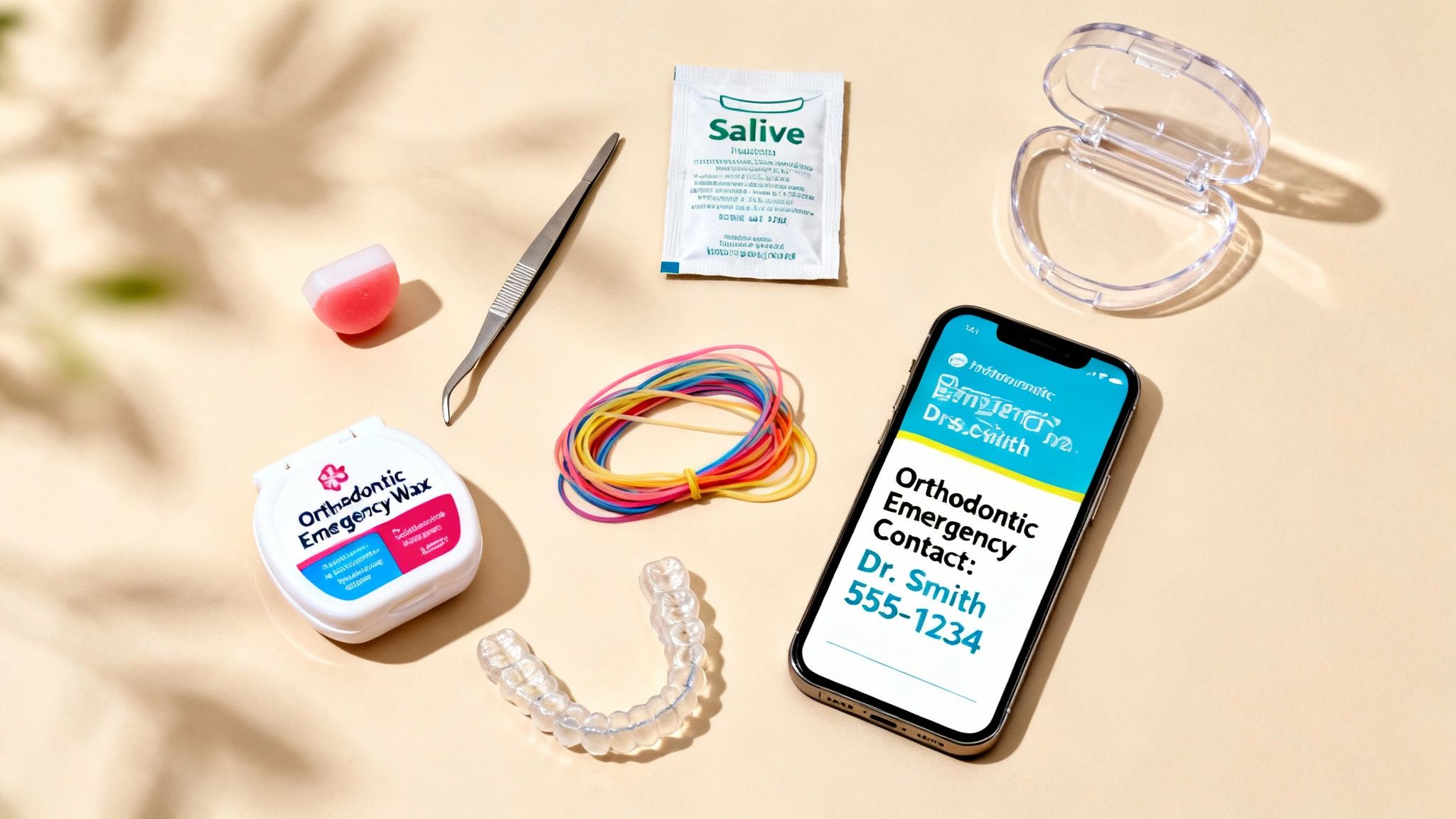
- Stock an Orthodontic First-Aid Kit: Keep this kit accessible at home and in your teen’s backpack. Include orthodontic wax, sterile tweezers for repositioning a wire, saline rinse, and over-the-counter pain relievers.
- Intensify Oral Hygiene: Active orthodontics increases the risk of decay. Equip your teen with an electric toothbrush, a water flosser, and interproximal brushes to clean around brackets and wires effectively.
- Schedule More Frequent Dental Cleanings: Don’t wait for annual check-ups. Schedule professional cleanings with your family dentist every three to four months to remove plaque buildup that hardware can trap.
- Assess Wisdom Teeth Early: Plan for a wisdom tooth assessment around age 15 or 16. This foresight helps prevent complications, such as impacted wisdom teeth interfering with orthodontic progress mid-treatment.
By implementing these protocols, families can manage common orthodontic issues with confidence. You can explore more about building a strong foundation for your child's dental future by learning about comprehensive dental care for teenagers. This preparation turns a potential crisis into a manageable event.
7-Point Comparison: Phoenix Family Emergency Dental Preparedness
| Item | 🔄 Implementation Complexity | ⚡ Resource Requirements | 📊 Expected Outcomes | 💡 Ideal Use Cases | ⭐ Key Advantages |
|---|---|---|---|---|---|
| Acute Dental Trauma in Teens & Young Adults: Family Emergency Response Kit Preparedness | Medium–High — training, rehearsals, time-sensitive actions | Emergency kit (saline, sterile gauze, container, temporary filling), family training, after-hours contact | Very high if immediate — preserves avulsed teeth (30–60 min window); reduces permanent loss | Athletic teens, school sports programs, families with active young adults | Saves natural teeth, lowers restorative costs, reduces family anxiety |
| Extreme Heat-Related Dental Emergencies: Seasonal Hydration & Tooth Protection Planning | Low–Medium — behavior changes and seasonal protocols | Hydration plans, pre-summer checkups, hydrating rinses, patient education | Moderate–High — ~35–40% fewer heat-related visits; protects restorations from thermal shock | Seniors, outdoor workers, families in peak summer months | Preventive, cost-effective, protects existing crowns/implants |
| Untreated Periodontal Disease Acute Flare-Ups: Early Detection & Family Prevention | High — whole-family screening and sustained behavior change | Regular periodontal exams, professional scaling, home devices (water flosser, soft brushes), coordination with medical care | High — prevents ~60–70% of emergencies; large cost avoidance and systemic health benefits | Adults/seniors with gum disease; families with diabetes or heart disease | Prevents tooth/bone loss, improves systemic health, reduces advanced treatment needs |
| Dental Anxiety-Driven Care Avoidance: Desensitization & Anxiety-Reduction Protocol | High — multiple visits, tailored desensitization, long-term commitment | Trained staff, longer appointments, possible sedation options, calming environment | High — reduces emergency visits by ~50–70%; improves routine care adherence | Patients with significant dental phobia, families with care-avoidant members | Restores preventive care, lowers emergency infections, builds long-term trust |
| Medication-Related Dry Mouth (Xerostomia) & Secondary Infection Emergencies | Medium — medication audits and ongoing compensatory strategies | Medication review, coordination with prescribers, saliva substitutes, frequent dental checks | High impact on preventing rapid decay/infections; significantly lowers emergency risk | Seniors, multi-medicated adults, assisted-living residents | Identifies modifiable risks, prevents secondary infections, improves quality of life |
| Implant, Crown & Bridge Complications During Peak Seasons: Maintenance & Emergency Planning | Medium — scheduled maintenance and record-keeping | Specialized hygiene tools, pre-season checkups, nightguards, emergency funding/reserves | Moderate–High — extends restoration lifespan, reduces urgent failures and replacement costs | Patients with multiple restorations, bruxers, those facing seasonal stressors | Protects costly investments, reduces unexpected replacement expenses |
| Teenage Orthodontic Emergencies & Transition Care Gaps: Coordinated Ortho-Family Pathway | Medium — provider coordination, education, parent involvement | Emergency ortho kit, frequent check-ins, written decision tree, provider partnerships | High — can cut ortho-related emergencies ~45–50%; prevents decay during treatment | Teens in active orthodontic treatment, families transitioning from pediatric care | Clear protocols reduce anxiety, ensure seamless care transitions and fewer complications |
Your Family's Partner in Preparedness: Beyond Dental Care
Navigating the landscape of modern oral health means going beyond routine cleanings and fillings. As we've explored, the specific challenges facing families in our community are evolving. From the sudden shock of sports-related dental trauma in active teens to the subtle but serious risks posed by Arizona's extreme heat, being prepared is your family's best defense. Understanding these phoenix area emergency dental trends every family should prepare for is the first, most critical step toward building resilience and ensuring long-term health.
This guide moved past generic advice to provide you with a concrete playbook. We dissected the rise in acute periodontal flare-ups, the silent epidemic of medication-induced dry mouth, and the all-too-common weekend orthodontic mishaps. For each trend, you now have a clear action plan: how to prevent the issue, what to do in the first critical moments, and when to seek immediate professional help. This knowledge transforms you from a reactive patient into a proactive health advocate for your entire family.
From Knowledge to Action: Your Next Steps
The true value of this information lies in its application. Your family’s well-being depends not just on knowing these trends but on integrating this preparedness into your daily lives. The most important takeaways are not just facts; they are actionable strategies that empower you to protect your loved ones.
Key Actionable Takeaways:
- Assemble Your Kit: Don't just think about creating a dental emergency kit. Build one this weekend. Include sterile gauze, saline solution, a small container with a lid for a dislodged tooth, and our clinic’s emergency contact information.
- Schedule a Proactive Audit: Don't wait for the pain of a dry mouth infection or a periodontal flare-up. Schedule a dedicated consultation to review medications and create a personalized prevention plan, especially for senior family members.
- Establish a Dental Home: The worst time to find a reliable dentist is during a crisis. Having an established relationship with a practice that understands your family’s history, from your teen’s orthodontics to an older parent’s dental implants, is invaluable. This continuity of care is your greatest asset.
Google search volume for “emergency dentist open now” and “tooth pain weekend North Glendale” spikes on Fridays and Saturdays. Practices that build locally-optimized emergency content and highlight clear availability will outperform clinics with vague service pages. If you’re targeting emergency leads in Phoenix’s northern neighborhoods, ensure your Google Business Profile clearly lists weekend availability and includes photos tagged with “emergency dental care North Glendale.”
The Hidden Risk: Relying on urgent care or hospital ERs during dental emergencies can lead to temporary relief, misdiagnosis, or unnecessary expenses. Without a known emergency dental resource, families waste time and endure more pain than necessary.
Beyond Dental Care offers prompt, expert care for dental emergencies with flexible scheduling and early-morning appointment availability. We prioritize genuine emergencies with transparent communication and treatment options—even during high-demand periods. Mastering these concepts is not just about avoiding pain; it's about safeguarding your family's health, finances, and peace of mind. By preparing for these specific phoenix area emergency dental trends every family should prepare for, you are investing in a future with fewer crises and more confident, healthy smiles. You are creating a safety net, ensuring that when an unexpected dental issue arises, you can respond with calm, decisive action instead of panic. This preparedness is a gift you give to yourself and those you care for most, ensuring that a dental emergency remains a manageable event, not a family catastrophe.
North Glendale families—don’t wait for pain to become panic. Save Beyond Dental Care’s number today, and trust that we’re here when urgent dental issues arise—especially when other offices are closed. Partner with Beyond Dental Care to build a proactive oral health plan that addresses the unique challenges facing Phoenix families. From emergency availability to comprehensive care for every generation, we are your dedicated resource for both urgent needs and long-term wellness. Visit Beyond Dental Care to schedule your family's consultation and take the first step toward true dental preparedness.