
So, what’s the real story on veneer costs? You’ll see numbers all over the place, but a good starting point is $900 to $2,500 per tooth for porcelain and somewhere between $250 and $1,500 per tooth for composite. That’s a pretty big window, right? The final price tag depends on a few key things: the material you choose, your dentist’s skill level, and even where you live.
What Is the Real Cost of Veneers?

Figuring out “how much do veneers cost” is a bit like pricing a custom-tailored suit versus grabbing one off the rack. Sure, both make you look sharp, but the materials, the expert craftsmanship, and the perfect fit are what create that significant price gap. Dental veneers are exactly the same—it’s an investment that blends medical science with a true artistic touch.
The numbers really drive this point home. A cosmetic dentist practicing in a major city like Los Angeles might charge upwards of $3,000 for a single, hand-layered porcelain veneer. That price reflects a higher cost of living, sure, but it also reflects a ton of advanced expertise and artistry.
A Clear Look at the Numbers
To give you a more concrete idea of what to expect, let’s break down the typical investment. The table below gives a snapshot of what you might pay per tooth for the most common types of veneers. It’s a great starting point for budgeting.
Average Cost of Veneers Per Tooth
| Veneer Type | Average Cost Per Tooth (USD) | Typical Lifespan |
|---|---|---|
| Porcelain Veneers | $900 – $2,500 | 10–15+ years |
| Composite Veneers | $250 – $1,500 | 5–7 years |
| Lumineers | $800 – $2,000 | 10–20 years |
Keep in mind, this table simplifies things for initial planning. Your final quote will always be personalized based on your specific smile goals and what your teeth need to be ready for the procedure.
While this guide dives deep into veneer costs, you might find a general healthcare procedure cost calculator useful for estimating other medical treatments. Ultimately, though, the only way to know your exact investment is to get a custom quote from a qualified cosmetic dentist who can assess your unique situation.
What Factors Influence the Price of Veneers?
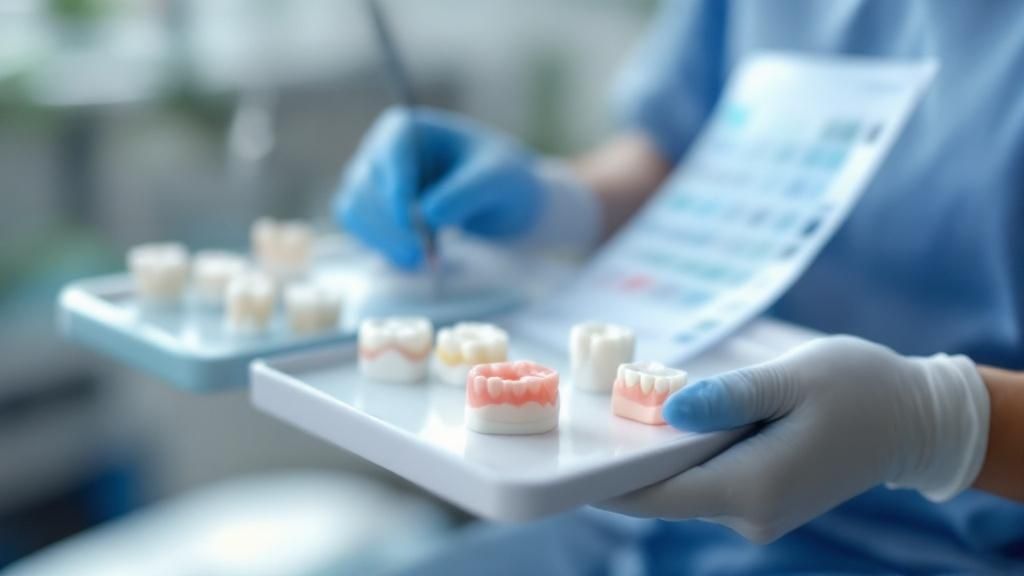
When you start looking into “how much do veneers cost,” you’ll notice pretty quickly there’s no single, straightforward price. The final number on your treatment plan is a unique mix of several key factors. Think of it like commissioning a piece of custom art—the artist’s skill, the quality of their materials, and the complexity of the design all shape the final cost.
The same idea applies to your smile. You’re not just buying a product off a shelf; you’re investing in a highly personalized service that blends medical precision with aesthetic talent. Getting a handle on what drives this investment is the first step toward making a decision you feel great about.
The Dentist’s Expertise and Artistry
Not all dentists have the same level of training or focus, especially when it comes to cosmetic work. The experience of your chosen dentist is one of the biggest drivers of cost, and for a very good reason.
- General Dentist vs. Cosmetic Specialist: A general dentist can certainly place veneers, but a cosmetic dentist has dedicated years to advanced training in the art and science of smile design. That specialized expertise naturally comes at a premium.
- Proven Track Record: A seasoned cosmetic dentist will have an impressive portfolio of before-and-after photos, showing their ability to handle a huge range of cases. This demonstrated skill and artistry are baked into their pricing.
Choosing a dentist with a deep background in cosmetic procedures means you’re paying for more than just the porcelain. You’re paying for their trained eye, their grasp of facial aesthetics, and their skill in creating a result that looks both beautiful and completely natural.
Geographic Location and Clinic Quality
It might seem strange, but where your dental clinic is located has a direct impact on the price you’ll pay. Just like the cost of living is different in a major city versus a small town, so is the cost of top-tier dental care. Clinics in high-rent urban areas like New York or Los Angeles simply have higher overhead, which gets reflected in their prices.
Your smile is a global investment. As demand for cosmetic procedures has grown, international price differences have become more apparent. For example, in the US, porcelain veneers can cost between $900 and $2,500 per tooth, while composite options might range from $80 in a country like Turkey up to $1,500 in the States. To learn more about these global cost variations, you can explore detailed breakdowns of international veneer pricing.
Beyond just the zip code, the quality of the clinic itself is a factor. A practice that invests in a comfortable atmosphere and cutting-edge technology like 3D imaging or an in-house lab will have higher operational costs than a more basic office. These amenities aren’t just for show—they contribute to a better patient experience and more precise outcomes, which influences the total investment.
Porcelain vs. Composite Veneers: A Head-to-Head Comparison
Choosing between porcelain and composite veneers is a bit like picking out new countertops for a kitchen remodel. Do you go for the stunning, top-of-the-line quartz (porcelain) that’s known for its durability and premium look? Or do you opt for the versatile and budget-friendly laminate (composite) that looks great and gets the job done quickly and affordably?
Both choices can give you a smile you’re proud of, but they take very different paths to get there. The main differences come down to cost, how long they last, and what the process looks like in the dentist’s chair.
The biggest factor influencing “how much do veneers cost” is, without a doubt, the material. Porcelain veneers are made from a very strong, high-end ceramic. You can think of them as tiny, custom-fit shields for your teeth, meticulously crafted in a specialized dental lab. This process is a true art form, requiring incredible skill to perfectly match the color variations and slight translucency of natural tooth enamel.
That off-site, custom creation is a big reason for their higher price tag. But it’s also what gives them their incredible strength and stain resistance. Just like your favorite ceramic coffee mug doesn’t stain, porcelain veneers are built to resist things like coffee, tea, and red wine, keeping your smile bright for a long, long time.
The image below gives a clear visual of how material choice plays into the overall investment.
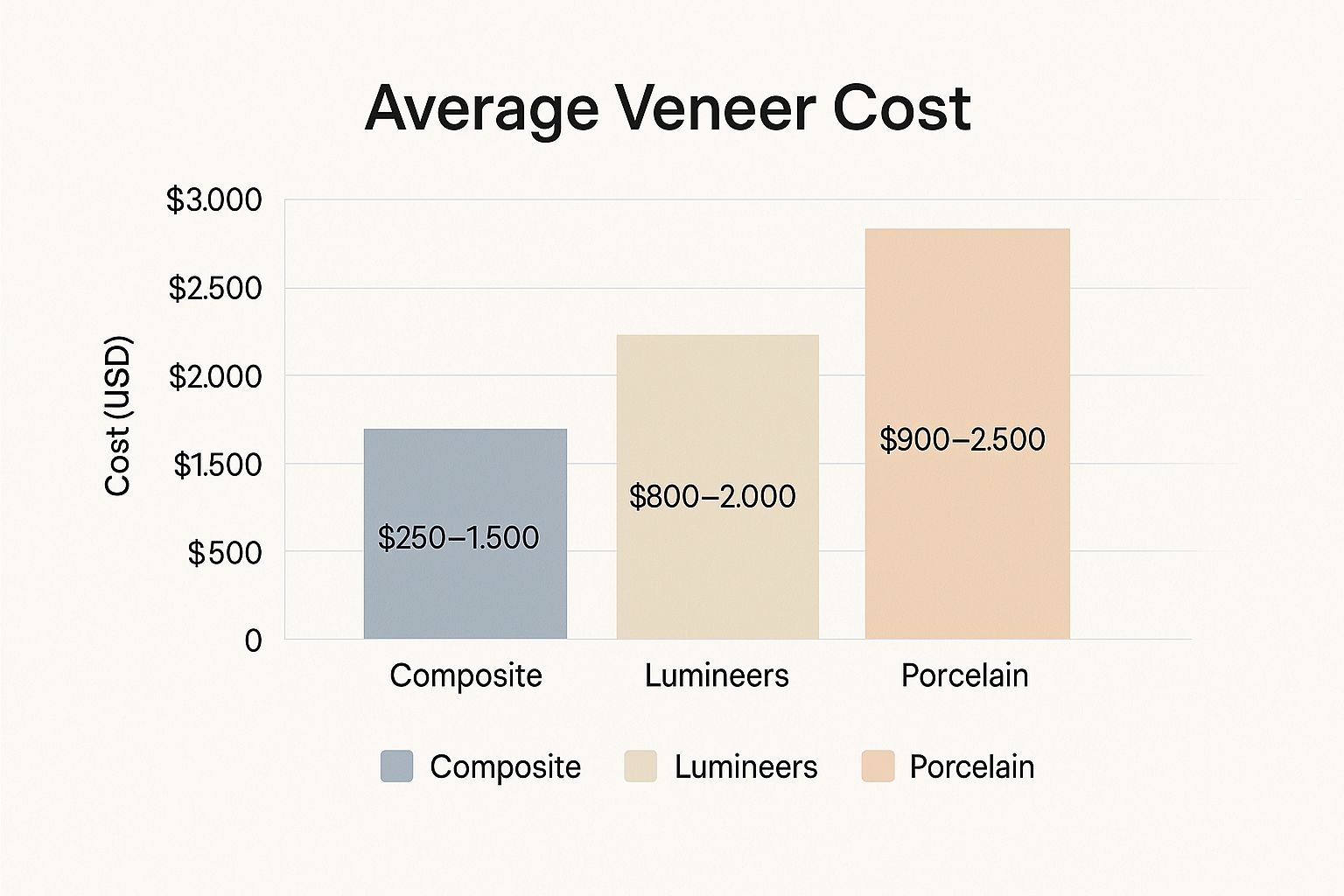
As you can see, there’s a definite cost difference. Composite veneers are the more accessible entry point, while porcelain sits at the premium end of the spectrum.
Durability and Lifespan
When you’re talking about cost, you have to think about the long game. This is where porcelain really shines. With great care, porcelain veneers will typically last 10 to 15 years—and sometimes even longer. Their solid ceramic build is tough and highly resistant to the daily wear and tear of chewing and biting.
On the other hand, composite veneers have a shorter lifespan, usually in the range of 5 to 7 years. Because the resin material isn’t as tough as ceramic, it’s more likely to stain over time and can chip more easily. This means you might need more frequent repairs or touch-ups to keep them looking their best.
This difference in durability really changes the math on long-term value. Porcelain costs more upfront, but its longevity can make it the more cost-effective option over a couple of decades compared to replacing composites two or three times.
The Application Process and Aesthetics
The journey to getting each type of veneer is also quite different. Porcelain veneers usually take at least two appointments. At your first visit, the dentist will prepare your teeth by removing a very thin layer of enamel, take precise impressions, and fit you with temporary veneers. A few weeks later, once your custom veneers are back from the lab, you’ll return to have them permanently bonded to your teeth.
Composite veneers, however, are a same-day smile makeover. The dentist applies the tooth-colored resin directly onto your teeth, then skillfully sculpts, shapes, and polishes it right there in the chair—all in a single visit. This makes them a much quicker and less invasive choice.
From an aesthetic standpoint, porcelain often takes the prize. The lab fabrication process allows for a level of detail, depth, and light-reflecting quality that’s incredibly difficult to match with direct composite bonding. While a truly skilled cosmetic dentist can work wonders with composite resin, porcelain is still the gold standard for achieving that ultra-natural, lifelike appearance.
In the end, the decision comes down to what you value most: the upfront cost savings and convenience of composite, or the superior aesthetics and lasting durability of porcelain.
Uncovering the Hidden Costs of Veneers
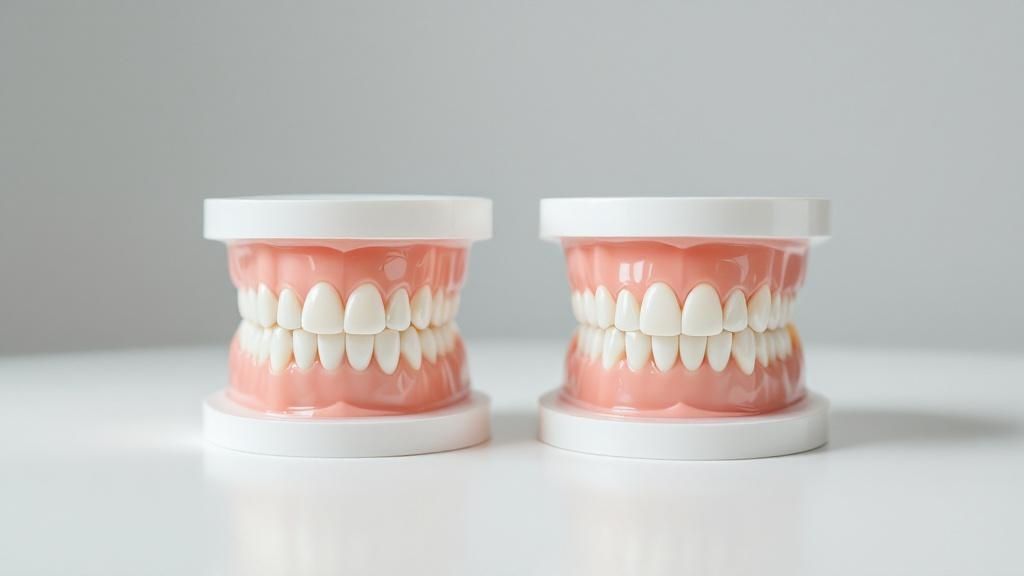
When you start researching “how much do veneers cost,” you’ll quickly find that most quotes focus on the price per tooth. But that number is really just the starting point of your total investment. To get a truly accurate budget, you need to account for several other essential services and fees that are part of the complete smile design process.
Think of it like building a custom home. The price per square foot gives you a ballpark idea, but it doesn’t include the architect’s plans, the foundation work, or the final landscaping. In the same way, getting veneers involves much more than just bonding porcelain to teeth. It requires meticulous planning and preparation to guarantee a flawless, long-lasting result.
Your Initial Consultation and Diagnostic Work
The first real step on your veneer journey is a thorough consultation. This is where your dentist will evaluate your oral health, listen to your goals, and start mapping out your treatment. This initial phase often includes fees for services that are absolutely critical for proper planning:
- X-Rays and 3D Imaging: These are non-negotiable. They give your dentist a complete picture of your underlying tooth and bone structure, ensuring there are no surprises.
- Diagnostic Wax-Up: This is a 3D model—either physical or digital—of what your new smile will look like. It’s your chance to preview the final result and ask for changes before any permanent work begins. A wax-up can run from $250 to $500 or more, depending on its complexity.
These diagnostic steps aren’t just “add-ons”; they’re fundamental for achieving a high-quality outcome and are typically billed separately from the veneers themselves.
“A precise diagnosis is the foundation of cosmetic dentistry. The costs associated with initial imaging and wax-ups aren’t extras; they are integral to the predictability and success of the final veneers.”
Preparatory and Long-Term Expenses
Before any veneers can be placed, your mouth has to be in top-notch condition. Sometimes, this means additional treatments that come with their own costs. For instance, if your natural teeth are stained, you might need professional teeth whitening first so your surrounding teeth perfectly match your new veneers.
In some cases, your dentist might recommend minor gum reshaping (often called a “gum lift”) to create a more even and symmetrical smile line. This procedure can add several hundred dollars to your final bill.
Finally, it’s important to remember that veneers aren’t a one-time purchase but a long-term commitment to your smile. You’ll need to budget for their eventual replacement every 10 to 15 years. By understanding the full financial picture—from the first consultation to future maintenance—you can plan your investment with confidence and avoid any unexpected bills along the way.
How to Afford Your New Smile with Smart Financing
A stunning new smile is a major investment in your confidence and well-being. And let’s be honest, seeing the final figure on a treatment plan can feel a little intimidating, especially since dental insurance rarely covers cosmetic procedures like veneers. Knowing how much do veneers cost is the first step, but understanding how to pay for them is what makes it a reality.
The good news? A variety of smart financing routes can make your dream smile completely accessible. You don’t have to come up with the entire amount upfront. Many dental practices, including ours, are ready to help patients manage the investment with flexible payment solutions.
Exploring In-House and Third-Party Financing
The most direct path is often an in-house payment plan. Many dental offices offer these plans to break the total cost into manageable monthly installments, often with little to no interest. It’s a straightforward way to budget for your procedure without looping in outside lenders.
Another popular and effective option is using a company that specializes in healthcare financing.
- Third-Party Lenders: Companies like CareCredit are tailor-made for medical and dental expenses. They work a lot like a credit card but are exclusively for healthcare services.
- Promotional Periods: A huge plus is that these services frequently offer promotional financing, like 0% interest if you pay the balance in full within a set time (think 6, 12, or even 24 months). This can make a big investment feel much more manageable.
These financing options are designed to take the financial roadblock out of getting essential and elective treatments. By spreading the cost over time, you can move forward with your smile transformation without waiting.
Leveraging Your Savings and Loans
Beyond specific payment plans, you might already have financial tools you can use for your dental work.
A Health Savings Account (HSA) or Flexible Spending Account (FSA) are fantastic choices if you have one. These accounts let you use pre-tax dollars for qualified medical expenses. While veneers are often cosmetic, they can sometimes be covered if they’re deemed medically necessary to restore a tooth’s structure or function. It’s always best to check your specific plan’s rules.
Finally, a personal loan is another avenue worth considering. These loans give you a lump sum that you repay over a fixed term with a predictable schedule. For a deep dive into how you can manage significant expenses like veneers with this type of financing, you can check out this ultimate guide to personal loans. This can be a great option if you prefer working with a traditional financial institution.
By exploring these different avenues, you can piece together a financial strategy that fits your budget perfectly, making the path to your new smile clear and stress-free.
Should You Go Abroad for Cheaper Veneers?
The idea of “dental tourism” is getting a lot of buzz. Who hasn’t seen the ads? Fly to a beautiful destination like Mexico or Turkey, get a brand-new smile with veneers, and save a bundle compared to U.S. prices. It sounds incredibly tempting.
And the financial pull is strong, there’s no denying it. With cosmetic procedures costing a pretty penny stateside, more and more people are looking for alternatives. In 2024, it’s estimated that over 780,000 Americans will head abroad for dental work. When countries like Mexico and Turkey offer veneers at savings of 60% to 80%, it’s easy to see why. That could mean thousands of dollars back in your pocket, even after you’ve paid for flights and hotels. You can see more about these trends in dental tourism costs on NCHSTATS.
But that sparkling, low-cost picture isn’t always what it seems.
The True Cost of Traveling for Care
That initial price tag for the veneers? It’s just the beginning. Once you start adding up all the other expenses, those impressive savings can shrink fast. Before you even think about booking a flight, you have to account for:
- Travel and Accommodation: Airfare, hotel stays, food, and getting around town all add up. And what if you need more than one trip? Those costs can double.
- Time Off Work: This isn’t a quick weekend getaway. Getting veneers done right often takes a week or more, which means using up precious vacation days.
- Hidden Fees: You might get hit with unexpected charges for things like consultations, X-rays, or minor adjustments. On top of that, fluctuating currency exchange rates can easily throw your budget off.
Suddenly, what looked like a fantastic deal might only be a modest discount once all is said and done.
The biggest gamble with dental tourism isn’t about the money—it’s about your health. When you go overseas for treatment, you’re stepping into a completely different world of regulations, materials, and standards. If something goes wrong after you’ve returned home, what’s your plan?
Navigating Quality and Follow-Up Care
Beyond the immediate price, there are some serious long-term risks to weigh. The standards for dental materials, how equipment is sterilized, and even the level of a dentist’s training can be wildly different from country to country. A much lower price might be a red flag for cheaper, less durable materials or a practitioner who lacks experience.
But the real dealbreaker for many is the lack of easy follow-up care. Imagine this: you’re back home, and a few weeks later, a veneer chips, feels loose, or is causing you pain. Flying back for a quick fix is completely impractical and expensive.
Good luck finding a local dentist willing to fix another dentist’s work, especially from another country. They won’t be familiar with the materials used and will be hesitant to take on the liability if something goes wrong. You could be left in a painful and stressful situation with no clear way to get it fixed.
Frequently Asked Questions About Veneer Costs
Even after breaking down the numbers, you probably still have questions. That’s completely normal. Deciding on veneers is a big step, and understanding how much do veneers cost goes way beyond a simple price-per-tooth.
Let’s clear up some of the most common questions we hear from patients. Think of this as the final piece of the puzzle to help you move forward with confidence.
Will Dental Insurance Help Pay for Veneers?
In most cases, the answer is no. Veneers are almost always classified as a purely cosmetic procedure, and dental insurance is designed to cover medically necessary treatments—things that restore your health and ability to chew properly.
There is, however, a very rare exception. If a veneer is being used to fix a chipped or broken tooth and restore its strength, your insurance might cover a small part of the cost. You should always double-check with your insurance provider, but it’s safest to budget as if you’ll be paying for the treatment entirely out-of-pocket.
What Does a Full Mouth of Veneers Typically Cost?
When people talk about a “full mouth” of veneers, they’re usually referring to a complete smile makeover. This typically involves placing 8 to 10 veneers on the upper teeth that show most when you smile.
Given that a single porcelain veneer costs between $900 and $2,500, a full set for your upper arch could range from $7,200 to $25,000 or even more. The final figure really depends on the materials you choose, your dentist’s expertise, and where the practice is located.
A “full mouth” makeover rarely means covering every single tooth. The focus is on the “social six” or “aesthetic eight”—the teeth most visible when you smile.
Are Cheaper Veneers Always Lower Quality?
While it’s not an absolute rule, there’s often a direct link between price and quality in cosmetic dentistry. A lower price tag can sometimes mean a few things:
- The dentist is using less durable materials, like composite resin instead of high-grade porcelain.
- The dental lab creating the veneers is less experienced.
- The dentist may have less specialized training in cosmetic procedures.
A cheaper veneer might save you money upfront, but it may not last as long or look as natural as a premium one. It’s an investment in your smile, and quality often pays for itself in the long run.
How Can I Get a Precise Cost Estimate?
The only way to get a firm number is to book a cosmetic consultation with a qualified dentist. It’s that simple.
During this appointment, the dentist will examine your teeth, listen to what you want to achieve, and map out a personalized treatment plan. This plan will break down every single expense, from the initial x-rays to the final placement of your veneers, so you know exactly what to expect.
At Beyond Dental Care, we believe you deserve complete transparency. We provide detailed, personalized consultations to help you understand every aspect of your investment in a new smile. If you’re ready to explore your options with a team that prioritizes your comfort and results, contact us to schedule your appointment.