
Welcome to Beyond Dental Care's definitive guide to lifelong oral wellness. In today's fast-paced world, maintaining a healthy smile is more than just about aesthetics; it's a cornerstone of your overall health and confidence. Whether you're a teen navigating orthodontics in Glendale, a busy professional in Arrowhead Ranch focused on cosmetic care, or a senior managing more complex dental needs in North Peoria, the right habits make all the difference. Strong oral health is directly linked to systemic well-being, impacting everything from cardiovascular health to diabetes management, making a consistent routine essential at every stage of life.
This comprehensive roundup, curated by our team, provides actionable, dentist-approved oral hygiene tips specifically for our diverse patient community. We understand that effective dental care is not one-size-fits-all. A teen’s needs differ greatly from those of an adult seeking a smile makeover or a senior exploring restorative options like implants and dentures.
Here, we will move beyond the basics, offering fresh perspectives and practical steps to elevate your daily regimen. You will learn not just what to do, but how and why each practice is critical for long-term success. This guide is designed to empower you with the knowledge to protect your investment in your smile, prevent common dental issues, and ensure your oral health remains exceptional for years to come. Let's explore the essential practices that form the foundation of outstanding dental care.
1. Proper Brushing Technique
The cornerstone of any effective oral hygiene routine is not just brushing, but brushing correctly. Proper technique ensures you effectively remove plaque, the sticky film of bacteria that causes cavities and gum disease, without harming your teeth or gums. It’s a skill that elevates your daily cleaning from a simple habit into a powerful preventative measure.
Mastering this foundational skill involves more than just scrubbing. It requires using the right angle, pressure, and duration to maximize cleaning while minimizing damage to your enamel and gums. For our patients in Glendale, from teens establishing lifelong habits to seniors protecting restorative work like implants and dentures, this technique is paramount.
The Bass Method: A Dentist-Approved Approach
The most widely recommended technique is the Bass (or modified Bass) method. This approach is specifically designed to clean below the gumline where plaque accumulation is most dangerous.
- Position: Hold your toothbrush at a 45-degree angle to your gums.
- Motion: Use short, gentle, back-and-forth or circular strokes. Avoid aggressive sawing motions that can wear down enamel and cause gum recession.
- Pressure: Apply just enough pressure to feel the bristles against your gums. A soft-bristled brush is essential; it cleans effectively without being abrasive. If the bristles are splayed, you're pressing too hard.
This infographic breaks down the core steps of the brushing process to ensure every surface is cleaned effectively.
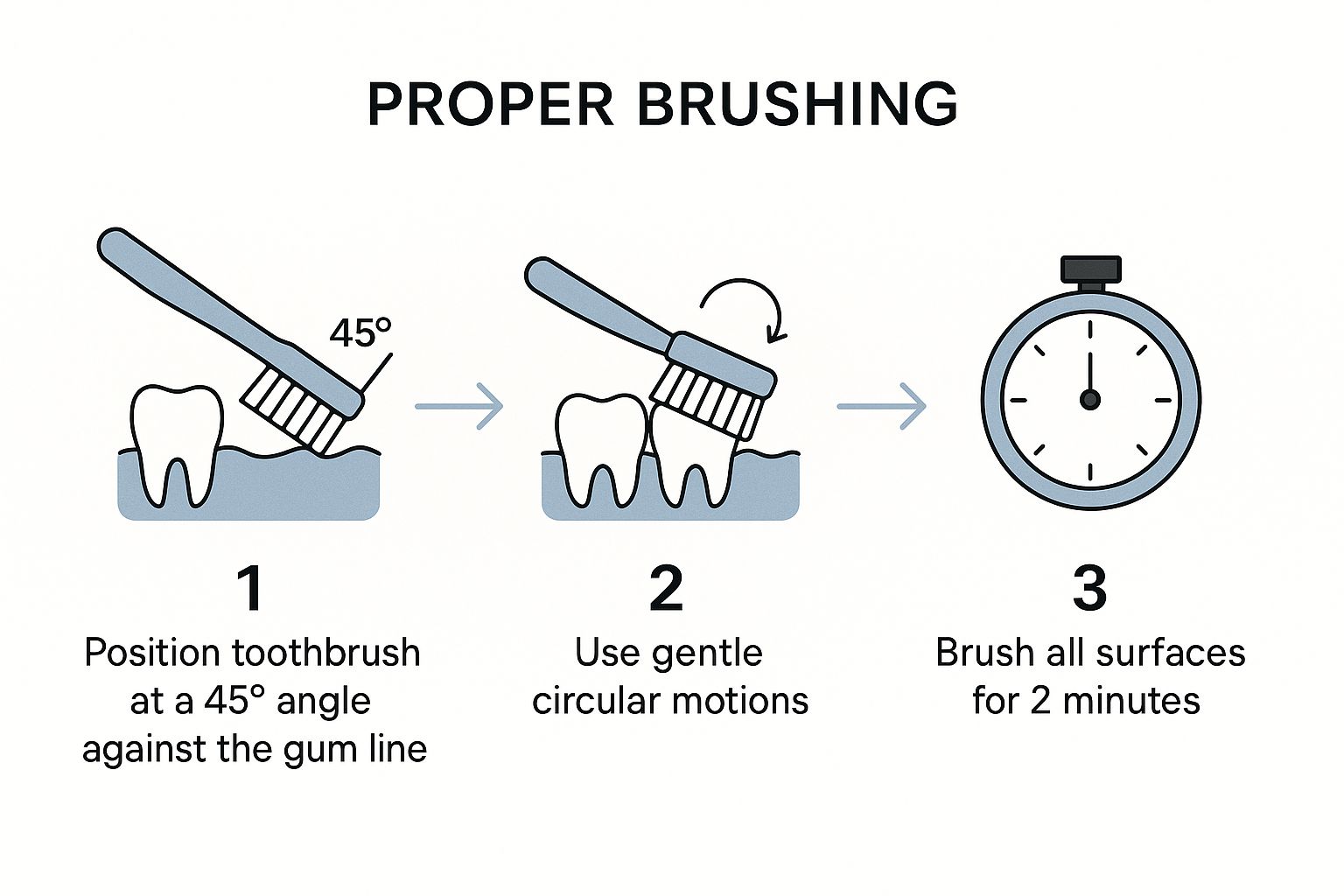
Following this simple three-step flow ensures that your brushing is not just routine but systematically effective, targeting plaque where it hides.
Maximizing Your Brushing Routine
To get the most out of each session, integrate these additional oral hygiene tips:
- Brush for Two Minutes: The American Dental Association (ADA) recommends brushing for two minutes, twice a day. Use a timer or an electric toothbrush with a built-in timer to ensure you're brushing long enough.
- Clean All Surfaces: Systematically brush the outer, inner, and chewing surfaces of all your teeth.
- Don't Forget Your Tongue: Brush your tongue and the roof of your mouth to remove bacteria that cause bad breath.
- Wait to Rinse: After brushing with fluoride toothpaste, spit out the excess but avoid rinsing with water immediately. This gives the fluoride more time to strengthen your enamel.
- Replace Your Brush: Change your toothbrush or brush head every 3 to 4 months, or sooner if the bristles are frayed.
For a visual guide on mastering this technique, watch this helpful video demonstration.
2. Daily Flossing
While brushing is essential for cleaning the surfaces of your teeth, it cannot effectively reach the tight spaces between them or below the gumline. This is where daily flossing becomes a non-negotiable part of your oral hygiene routine. It is the single most effective way to remove plaque and food debris from these hard-to-reach areas, playing a critical role in preventing cavities and gum disease.
For our patients in Glendale, from adults with crowns to teens with braces, incorporating flossing is a game-changer for long-term health. Neglecting this step leaves up to 40% of your tooth surfaces uncleaned, creating a prime environment for harmful bacteria to thrive and cause inflammation, decay, and bad breath.
The "C-Shape" Method: A Hygienist-Approved Approach
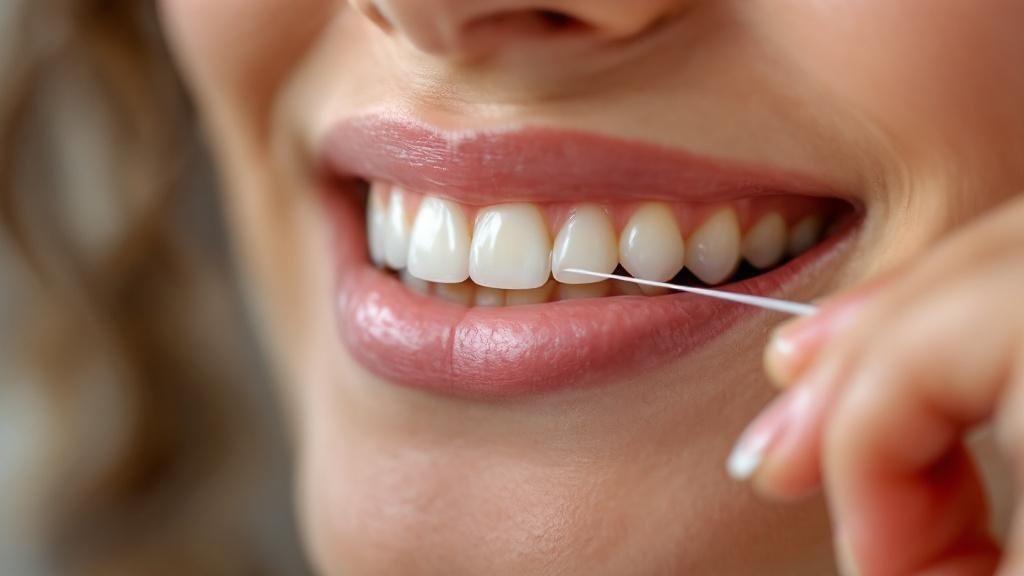
The most effective flossing technique involves more than just snapping the floss between your teeth. The "C-Shape" method ensures you are cleaning the tooth surface and the area just beneath the gumline thoroughly.
- Prepare: Start with about 18 inches of floss. Wind most of it around one middle finger and a small amount around the other, leaving about an inch of floss to work with.
- Motion: Gently guide the floss between your teeth using a gentle back-and-forth, sawing motion. Never snap it down, as this can damage your gums.
- Technique: Curve the floss into a "C" shape against one tooth, sliding it gently into the space between the tooth and the gum. Rub it up and down to clean the side of that tooth.
- Repeat: Unwind a fresh section of floss from your finger and repeat the process on the adjacent tooth, and then for every tooth in your mouth, including the back of your last molars.
This simple yet precise technique ensures you are not just dislodging food but are actively disrupting the plaque biofilm before it can harden into tartar.
Maximizing Your Flossing Routine
To get the most out of this crucial step, integrate these additional oral hygiene tips:
- Consistency is Key: The benefits of flossing are cumulative. Make it a daily habit, preferably before bedtime, to remove plaque that has accumulated throughout the day.
- Choose the Right Floss: Whether you use waxed, unwaxed, dental tape, or a water flosser, the best floss is the one you will use consistently. If you have large gaps or bridges, your hygienist may recommend a floss threader or super floss.
- Floss Before Brushing: Many dental professionals now recommend flossing first. This dislodges plaque and food particles, which can then be brushed and rinsed away, allowing the fluoride from your toothpaste to better penetrate between the teeth.
- Don't Be Discouraged by Bleeding: If your gums bleed when you first start flossing, it's typically a sign of existing inflammation. This should subside within one to two weeks of consistent daily flossing as your gum health improves.
3. Mouthwash Integration
While brushing and flossing are the mechanical powerhouses of your oral care routine, integrating a therapeutic mouthwash adds a crucial layer of chemical defense. A quality mouthwash reaches areas that a brush and floss might miss, such as deep between teeth, under the tongue, and along the soft tissues of your mouth, delivering antimicrobial agents that reduce plaque and fight bad breath.
This final rinse isn't just for fresh breath; it's a strategic tool for comprehensive oral health. For our Glendale patients, from teens with braces who need extra help preventing white spots to seniors looking to protect their gums and dental implants, the right mouthwash provides targeted benefits that complete a robust daily regimen. It’s an essential finishing step in any set of effective oral hygiene tips.

The Science Behind the Swish
Therapeutic mouthwashes contain active ingredients designed to do more than just mask odor. Antimicrobial agents like cetylpyridinium chloride (CPC) or essential oils disrupt bacterial cell walls, significantly reducing the overall bacterial load in your mouth. Studies on brands like Listerine have shown that this can lead to a 21% greater reduction in plaque compared to brushing and flossing alone.
- Fluoride Rinses: These are particularly beneficial for patients prone to cavities or those undergoing orthodontic treatment, as they help strengthen enamel and prevent demineralization around brackets.
- Antimicrobial Rinses: These are a frontline defense against gingivitis, reducing the bacteria that cause gum inflammation and bleeding. They are even used in hospital settings to help prevent infection.
- Specialty Formulas: Modern mouthwashes also address issues like dry mouth, tooth sensitivity, and whitening, offering customized solutions for specific patient needs.
This targeted approach allows you to enhance your mechanical cleaning efforts with a product that addresses your unique oral health concerns.
Maximizing Your Mouthwash Routine
To ensure your mouthwash is working effectively, timing and technique are key. Follow these guidelines to get the most out of every rinse:
- Use After Brushing: Always use mouthwash after you have brushed and flossed to wash away loosened debris and allow the active ingredients to coat clean tooth surfaces.
- Swish for 30-60 Seconds: Follow the product's directions, typically swishing vigorously for 30 to 60 seconds to ensure the liquid reaches all corners of your mouth.
- Don't Eat or Drink Immediately: Wait at least 30 minutes after rinsing before eating or drinking. This gives the active ingredients, like fluoride, ample time to work.
- Choose Alcohol-Free: For daily use, consider an alcohol-free version to avoid drying out your mouth, which can sometimes worsen bad breath.
- Complete Your Routine: To complete your daily routine, consider integrating an advanced total care mouthwash.
4. Tongue Cleaning
While brushing and flossing focus on teeth and gums, a significant source of oral bacteria is often overlooked: the tongue. Tongue cleaning is a crucial practice for removing the buildup of bacteria, food debris, and dead cells that accumulate on the tongue's textured surface. This film is a primary cause of halitosis (bad breath) and can contribute to a decline in overall oral health.
This ancient practice, long championed in Ayurvedic medicine, is now increasingly recommended by modern dental professionals. For our Glendale patients, especially those concerned with bad breath or seniors with dry mouth, adding tongue cleaning to a daily routine is one of the most impactful oral hygiene tips for achieving a truly clean and healthy mouth. It physically removes the culprits that a simple rinse or brush-over might miss.
Effective Tongue Cleaning Tools and Techniques
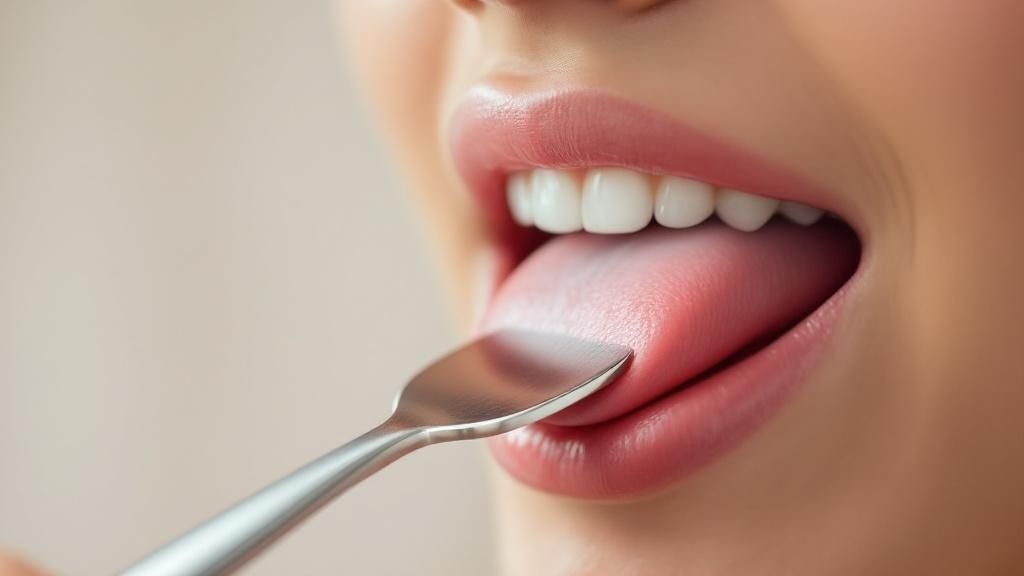
The goal is to gently scrape the film off the tongue's surface without causing irritation. While you can use your toothbrush, a dedicated tongue scraper is far more effective. These tools are designed to apply even pressure across the tongue for a more thorough clean.
- Choose Your Tool: Tongue scrapers are typically made from plastic, stainless steel, or copper. Metal scrapers are often preferred as they are more durable and easier to sterilize.
- Technique: Stick your tongue out. Place the scraper as far back on your tongue as is comfortable.
- Motion: Gently pull the scraper forward toward the tip of your tongue in one smooth stroke. Do not push it back and forth.
- Pressure: Use light, firm pressure. You want to remove the coating, not harm the delicate tissue of your tongue.
Rinse the scraper under running water after each stroke to remove the collected debris. Repeat the process 3-5 times, covering the entire surface of your tongue.
Maximizing the Benefits of Tongue Cleaning
To integrate this practice effectively and see the best results, follow these additional tips:
- Timing is Key: Clean your tongue once daily, preferably in the morning, to remove the bacteria that multiplied overnight.
- Be Gentle: Your tongue is sensitive. If you experience any gagging, try not to place the scraper as far back. If you notice any bleeding, you are applying too much pressure.
- Clean Your Tool: Just like your toothbrush, your tongue scraper must be kept clean. Wash it thoroughly with soap and water after each use and allow it to air dry.
- Notice the Difference: Regular tongue cleaning can not only improve breath but may also enhance your sense of taste by removing the film that dulls your taste buds.
By incorporating this simple step, you address a major component of your oral microbiome, leading to fresher breath and a healthier smile.
5. Regular Dental Checkups
While diligent home care is the foundation of oral health, it cannot replace the expertise and technology of professional dental care. Regular checkups are a non-negotiable component of a comprehensive oral hygiene routine, serving as a critical checkpoint to prevent minor issues from becoming major, costly problems. These visits allow for the early detection of conditions like cavities, gum disease, and even oral cancer, while also removing hardened plaque (tartar) that home brushing and flossing simply can't eliminate.
For our patients in Glendale, from teens to seniors, these biannual appointments are a cornerstone of lifelong health. They provide an opportunity to professionally clean and assess everything from natural teeth to complex restorative work like implants and dentures, ensuring your smile remains healthy and functional for years to come. Think of it as essential maintenance for one of your body’s most important systems.
What to Expect During a Professional Visit
A routine dental checkup is a two-part process that combines a thorough examination with a professional cleaning, both designed to safeguard your oral health. This preventive approach is far more effective and less invasive than treating advanced dental diseases.
- The Examination: Your dentist will conduct a comprehensive visual inspection of your teeth, gums, and mouth. This includes screening for cavities, checking the health of existing restorations, evaluating your gums for signs of periodontal disease, and performing an oral cancer screening. Digital X-rays may be taken to see what’s happening below the surface, such as issues with jawbones, impacted teeth, or decay between teeth.
- The Cleaning (Prophylaxis): A dental hygienist will remove the buildup of plaque and tartar that accumulates over time, even with excellent home care. This process, known as scaling, targets hardened deposits above and below the gumline. The visit concludes with polishing to remove surface stains and leave your teeth feeling smooth and clean.
This infographic highlights why these professional appointments are so crucial for long-term health and prevention.
This dual approach of expert assessment and deep cleaning is one of the most powerful oral hygiene tips for maintaining a healthy smile for life.
Maximizing Your Dental Visits
To get the most value from every checkup and maintain your oral health between appointments, adopt these proactive habits:
- Schedule in Advance: Book your next appointment before you leave the office. Scheduling 6 months ahead ensures you stay on track and makes oral health a consistent priority.
- Come Prepared: Think about any questions or concerns you have beforehand. Are you experiencing sensitivity? Do you have questions about your brushing technique? A prepared patient gets more out of their visit.
- Be Honest: Share your complete medical history and any lifestyle habits (like smoking or diet) with your dentist. This information provides critical context for your oral health.
- Don't Wait for Pain: If you notice an issue like a sore gum or a chipped tooth, don't wait until your next scheduled visit. Addressing problems promptly is key to preventing complications.
- Implement Professional Advice: Use your visit as a learning opportunity. Ask your hygienist to demonstrate proper flossing or brushing techniques and apply their personalized advice to your daily routine at home.
6. Healthy Diet for Oral Health
Your diet is a powerful, yet often overlooked, component of a comprehensive oral hygiene routine. The foods and drinks you consume directly impact the health of your teeth and gums, either by providing essential nutrients for strength and repair or by creating an environment where harmful bacteria can thrive. A well-balanced, tooth-friendly diet works from the inside out to build a strong defense against decay and gum disease.
For our diverse patient community in Glendale, from teens forming lifelong eating habits to seniors needing to protect dental implants, understanding this connection is crucial. The right nutritional choices can enhance the effectiveness of brushing and flossing, making your smile more resilient to daily acid attacks and bacterial challenges. It’s an essential part of a holistic approach to dental wellness.
Building Your Oral Health on Your Plate
Certain foods contain compounds that actively protect your teeth and gums. Incorporating them into your diet provides a natural boost to your oral defenses, complementing your at-home care routine.
- Dairy Power: Foods like cheese, milk, and yogurt are rich in calcium and phosphates, which help remineralize tooth enamel. Cheese is particularly beneficial as it raises the pH in your mouth, creating a less acidic environment that is hostile to cavity-causing bacteria.
- Green Tea Benefits: A great alternative to sugary drinks, green tea contains polyphenols called catechins. These compounds help control inflammation and fight the growth of bacteria responsible for cavities and gum disease.
- The Power of Produce: Crunchy fruits and vegetables like apples and carrots act like natural toothbrushes, scrubbing away plaque as you chew. Cranberries also contain proanthocyanidins, which prevent bacteria from sticking to your teeth.
This nutritional strategy isn't just about avoiding sugar; it's about actively choosing foods that fortify your oral structures.
Maximizing Your Dietary Routine
To get the most out of your meals for better oral health, integrate these additional oral hygiene tips:
- Limit Snacking Frequency: Every time you eat, bacteria in your mouth produce acids. By limiting snacks between meals, you reduce the number of these acid attacks, giving your saliva time to neutralize the oral environment.
- Drink Plenty of Water: Water is the best beverage for your mouth. It helps wash away food particles and leftover sugars, and it keeps you hydrated, which is essential for maintaining healthy saliva flow.
- Choose Whole Fruits: While fruit is healthy, fruit juices are often high in concentrated sugar. Eating whole fruits provides fiber and requires chewing, which stimulates saliva production, offering a better alternative for your teeth.
- Be Mindful of Food Quality: Beyond just nutrients, the quality of your food matters. While focusing on your diet, it's also wise to be aware of other factors. For more information, read this helpful guide to endocrine disruptors in food.
- Neutralize After Acids: After consuming acidic foods or drinks like citrus or soda, finish your meal with a piece of cheese or a glass of milk to help neutralize the acid and protect your enamel.
7. Proper Hydration
While often overlooked in discussions about oral health, proper hydration is a foundational pillar supporting your mouth’s natural defense system. Staying well-hydrated ensures adequate saliva production, which is critical for neutralizing acids, washing away food particles, and fighting the bacteria that lead to cavities and gum disease. It’s a simple yet powerful habit that complements your daily cleaning routine.
For our diverse patients in Glendale, from active teens and professionals to seniors managing medications that can cause dry mouth, maintaining hydration is a key component of a comprehensive oral care strategy. Water acts as a constant, gentle rinse, supporting everything from fresh breath to the long-term stability of dental work like implants and dentures.
Saliva: Your Body’s Natural Mouthwash
The importance of hydration is directly linked to the function of saliva. When you are dehydrated, saliva production decreases, leading to a condition known as xerostomia, or dry mouth. This creates an environment where harmful bacteria can thrive, significantly increasing your risk for dental problems.
- Neutralizing Agent: Saliva helps maintain a balanced pH in your mouth, neutralizing the acids produced by plaque bacteria after you eat or drink.
- Cleansing Flow: It continuously washes away food debris and sugars that bacteria feed on.
- Protective Minerals: Saliva contains essential minerals like calcium and phosphate, which help remineralize and strengthen tooth enamel.
We see dramatic improvements in the oral health of patients, especially those with xerostomia, once they adopt a consistent hydration schedule. Athletes who diligently rehydrate and seniors who mindfully increase their water intake often experience fewer cavities and healthier gums.
Maximizing Your Hydration for Oral Health
To leverage the full benefits of water for your smile, integrate these essential oral hygiene tips into your daily life:
- Drink Throughout the Day: Sip water consistently, even when you don't feel thirsty. Thirst is often a sign that you are already on your way to being dehydrated.
- Choose Fluoridated Water: When possible, drink tap water. In many communities, including parts of Arizona, it’s fluoridated, providing an extra layer of defense against tooth decay with every sip.
- Rinse After Meals: After eating or drinking something sugary or acidic, swish with water. This simple action helps clear away harmful residues before they can damage your enamel.
- Increase Intake When Needed: Boost your water consumption if you are ill, taking medications known to cause dry mouth, or physically active, as these conditions increase your body's need for fluids.
- Limit Dehydrating Drinks: Beverages containing caffeine or alcohol can have a diuretic effect, reducing saliva flow. Balance their consumption with plenty of water.
8. Avoiding Harmful Habits
While adding positive habits is crucial, a truly effective oral hygiene routine also involves eliminating behaviors that actively harm your teeth and gums. Certain lifestyle choices and subconscious habits can undo the benefits of diligent brushing and flossing, leading to costly and painful dental problems. Protecting your smile means being mindful of what you do with your teeth all day, not just for the few minutes you spend cleaning them.
For our patients in Glendale, from busy professionals to active seniors, recognizing and addressing these detrimental habits is a game-changer. These behaviors can cause everything from enamel erosion and tooth fractures to advanced gum disease and an increased risk of oral cancer. Removing them from your routine is a powerful, proactive step toward lifelong dental health.
Common Habits That Sabotage Oral Health
Several common behaviors are notorious for causing significant dental damage. Identifying whether you engage in these habits is the first step toward protecting your smile.
- Tobacco Use: Smoking or using smokeless tobacco products dramatically increases the risk of gum disease, tooth loss, and oral cancer. It also stains teeth and can lead to persistent bad breath.
- Excessive Sugar Consumption: Constantly sipping on sugary drinks or snacking on sweets feeds the harmful bacteria that produce acid, leading to cavities and enamel decay.
- Teeth Grinding (Bruxism): Many people unconsciously grind or clench their teeth, especially during sleep. This habit can wear down, chip, or even crack teeth and strain jaw muscles.
- Using Teeth as Tools: Opening packages, cutting tape, or holding items with your teeth can cause immediate fractures, chips, and enamel damage. Your teeth are designed for chewing food, not for being a multi-tool.
Strategies to Break These Habits
Overcoming these behaviors requires conscious effort and a solid plan. Here are some actionable oral hygiene tips to help you succeed:
- Seek Professional Support: For habits like smoking, professional support is invaluable. Resources from organizations like the American Cancer Society can significantly increase your chances of quitting successfully.
- Manage Stress: Since teeth grinding is often linked to stress, incorporating stress-management techniques like meditation, exercise, or mindfulness can help reduce the behavior. For nighttime grinding, a custom-fitted night guard from your dentist is the most effective way to prevent damage.
- Make Healthy Swaps: Keep healthy, crunchy snacks like carrots or apples on hand to satisfy cravings without resorting to sugary options. If you enjoy soda, try switching to sparkling water to get the fizziness without the sugar.
- Be Prepared: Keep scissors, bottle openers, and other necessary tools easily accessible so you aren't tempted to use your teeth in a pinch. Making the right choice the easy choice is key to breaking the habit.
Oral Hygiene Tips Comparison Guide
| Item | Implementation Complexity 🔄 | Resource Requirements ⚡ | Expected Outcomes 📊 | Ideal Use Cases 💡 | Key Advantages ⭐ |
|---|---|---|---|---|---|
| Proper Brushing Technique | Moderate – requires learning and consistency | Low – just a toothbrush and toothpaste | Removes up to 70% plaque, prevents cavities | Daily oral hygiene for all individuals | Cost-effective, foundational oral care |
| Daily Flossing | Moderate – needs proper technique and patience | Low – floss or picks | Removes 40% plaque missed by brushing | Tight spaces between teeth, gum health | Prevents interproximal cavities and gum disease |
| Mouthwash Integration | Low – simple addition after cleaning | Low – bottle of mouthwash | Reduces bacteria by up to 99%, freshens breath | Supplemental antimicrobial benefit | Easy, time-efficient, delivers therapeutic agents |
| Tongue Cleaning | Low – simple tool and technique | Very low – tongue scraper or toothbrush | Reduces bad breath by up to 75%, improves taste | Bad breath control, enhanced oral hygiene | Simple addition, improves breath and taste |
| Regular Dental Checkups | High – requires appointments and professional services | Moderate – cost and time investment | Early detection, tartar removal, cancer screening | Preventive oral health maintenance | Professional care, prevents major issues |
| Healthy Diet for Oral Health | Moderate – requires dietary changes | Variable – may need access to healthy foods | Strengthens teeth, reduces inflammation | Long-term oral health support through nutrition | Supports immune function, natural remineralization |
| Proper Hydration | Low – habitual behavior adjustment | None to low – access to clean water | Maintains saliva production, reduces dry mouth | Overall oral and systemic health | Natural, cost-effective defense mechanism |
| Avoiding Harmful Habits | High – lifestyle and habit changes | None to low – may need support resources | Reduces risk of oral cancer, gum disease | Patients with risky oral behaviors | Dramatic risk reduction, saves on treatment |
Partner with Beyond Dental Care for Your Healthiest Smile
Navigating the path to optimal oral health can feel complex, but the journey is built on the consistent application of a few powerful principles. Throughout this guide, we've explored the eight pillars of a brilliant smile, moving beyond generic advice to provide you with actionable, dentist-approved strategies. From mastering the nuances of your brushing and flossing techniques to understanding the profound impact of hydration and diet, you now possess a comprehensive toolkit for proactive dental care.
These are not just isolated tasks to check off a list; they are interconnected habits that create a powerful defense system for your teeth and gums. Think of it as a complete wellness strategy: proper brushing and flossing are your daily front-line defense, while regular checkups are your essential intelligence-gathering missions, allowing for early detection and professional intervention. Similarly, what you eat and drink provides the foundational support for this entire system, strengthening your enamel from the inside out.
From Knowledge to Lifelong Habit
The true value of these oral hygiene tips lies in their integration into your daily life. The goal is to transform conscious effort into an unconscious, positive routine. This transition is where lasting health is forged.
- For busy professionals in Arrowhead Ranch, this might mean scheduling your next dental cleaning during your lunch break and keeping a travel-sized floss kit in your work bag for post-meal touch-ups.
- For parents in North Glendale, it means modeling these behaviors for your teens, making tongue scraping a normal part of the morning routine alongside brushing.
- For our senior patients in Stetson Valley, it involves adapting techniques to care for dentures or implants with the same diligence as natural teeth, ensuring comfort and longevity.
By committing to these practices, you are doing more than just preventing cavities or gum disease. You are investing in your overall well-being, enhancing your confidence, and preserving a key aspect of your health for years to come. A healthy mouth contributes to a healthy body, impacting everything from cardiovascular health to systemic inflammation.
Your Partner in Proactive and Personalized Care
While your daily efforts are the most critical component of your dental health, they are most effective when guided by professional expertise. The best oral hygiene tips are those tailored specifically to you, your lifestyle, and your unique dental profile. This is where a collaborative partnership with your dental team becomes invaluable.
At Beyond Dental Care, we see ourselves as more than just your dentist; we are your partners in health. We recognize that a tech-savvy patient expects the latest in digital diagnostics, while a patient with dental anxiety needs a gentle, reassuring environment. We are committed to providing that personalized, concierge-level experience for every individual and family in Glendale, AZ. We don't just treat teeth; we build relationships founded on trust, compassion, and a shared goal: achieving your healthiest, most confident smile.
Embracing these foundational habits empowers you to take control. Combining them with expert, personalized care ensures your efforts yield the best possible results. You've taken the first step by arming yourself with this knowledge. Now, let's put it into practice together.
Ready to elevate your oral health with care that’s as unique as your smile? Schedule your appointment at Beyond Dental Care and let Dr. Dariene Lazore and our team create a personalized plan based on these expert oral hygiene tips. Visit us online at Beyond Dental Care to begin your journey toward a lifetime of excellent dental health.