
When it comes to preventing tooth decay, the game plan is surprisingly straightforward. It's all about consistently disrupting the plaque bacteria that build up in your mouth and cutting off their main food supply: sugar. Think of it as a daily win, achieved with the right toothbrush, some floss, and smart choices that build strong teeth from the inside out.
What Causes Tooth Decay and Why Prevention Matters
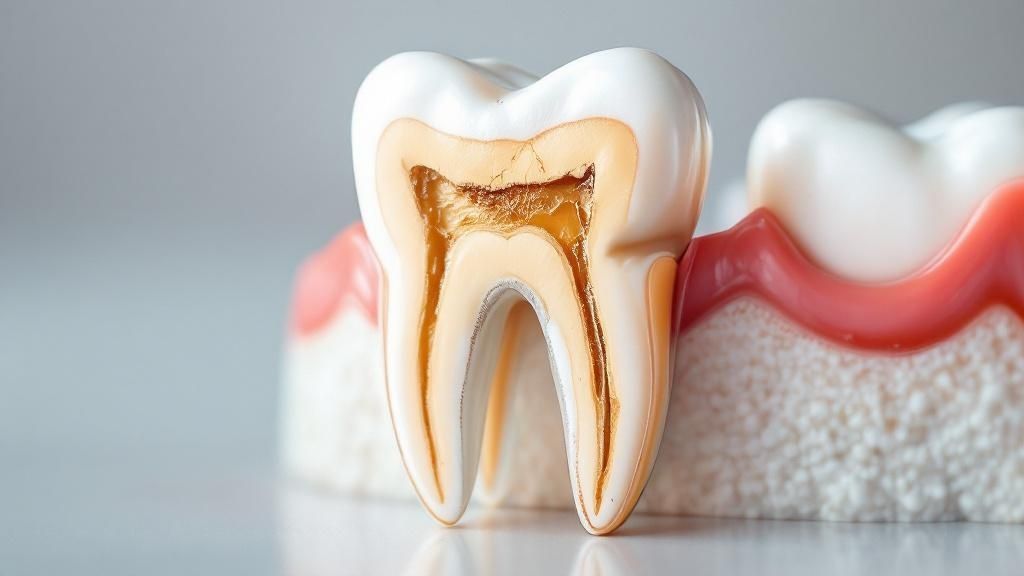
Before we jump into the "how-to" of preventing tooth decay, it's really helpful to understand what we're up against. A cavity doesn’t just show up overnight. It's the end result of a slow-moving disease that you absolutely have the power to stop.
It all starts with the bacteria that naturally live in your mouth. Most of these tiny organisms are harmless, but a few specific types just love to feed on the sugars and starches left over from what you eat and drink. We're talking about everything from soda and candy to bread and even fruit.
As these bacteria chow down on leftover food, they produce acid as a waste product. This acid is the real enemy here. It attacks your tooth's hard, protective outer layer, known as enamel. Every single time you eat, this acid assault starts a process called demineralization, slowly stripping away the vital minerals that keep your enamel tough. It's a microscopic battle happening on your teeth all day long.
The Stages of Decay
At first, this mineral loss shows up as a little chalky "white spot" on the tooth. The good news? At this early stage, the damage is often completely reversible. With great oral hygiene and fluoride, your saliva can work its magic and replenish those lost minerals in a process called remineralization.
But if the acid attacks keep happening without a change in habits, the enamel gets weaker and weaker until it finally breaks down, creating a literal hole. That's what we call a cavity, or dental caries. Once a cavity forms, the damage is permanent and needs professional help from a dentist, usually in the form of a filling.
You might be surprised by the scale of this problem. Tooth decay is the most widespread chronic disease on the planet, affecting over 3.5 billion people. In fact, more than 90% of adults have had at least one cavity, which just goes to show how common this preventable issue really is.
Why Proactive Prevention Is Key
Understanding this process makes it clear why prevention is so incredibly powerful. It is far easier, less painful, and much less expensive to stop decay before it starts than it is to fix the damage later.
Being proactive isn't just about dodging fillings; it’s about protecting the actual structure of your teeth for your entire life. It's also worth noting that the same bacteria causing decay are linked to other oral health problems. You can learn more about this connection in our guide on what causes bad breath. A preventive mindset is truly an investment in your long-term health, comfort, and even your wallet.
Building Your Daily Oral Health Routine
When it comes to preventing tooth decay, what you do every single day is your most powerful weapon. A solid routine is more than just a "brush and floss" checklist—it's a deliberate, effective strategy. It’s not just what you do, but how consistently and correctly you do it that makes all the difference.
The foundation, of course, is proper brushing. It's easy to go through the motions without paying much attention to technique, but a few small tweaks can have a massive impact. Your main goal is to break up that sticky plaque biofilm from every possible tooth surface, especially where your teeth meet your gums.
Mastering Your Brushing Technique
To brush effectively, you need the right tool and the right method. I always tell my patients to start with a soft-bristled toothbrush to avoid accidentally damaging their enamel or irritating their gums.
When you brush, aim the bristles toward your gum line at a 45-degree angle. This specific angle is key because it allows the bristles to sweep gently under the gum line—a favorite hiding spot for plaque. Instead of aggressive back-and-forth scrubbing, which can cause abrasion, use gentle, circular motions. This polishes the tooth surface and cleans far more effectively.
Make sure you’re brushing for a full two minutes, twice a day. It sounds simple, but most people don't brush for nearly long enough. An easy fix is to set a timer on your phone or use an electric toothbrush with a built-in timer. For a deeper dive into enhancing your daily care, you can explore these 11 tips for better dental hygiene at home.
This visual guide breaks down the simple yet crucial process.
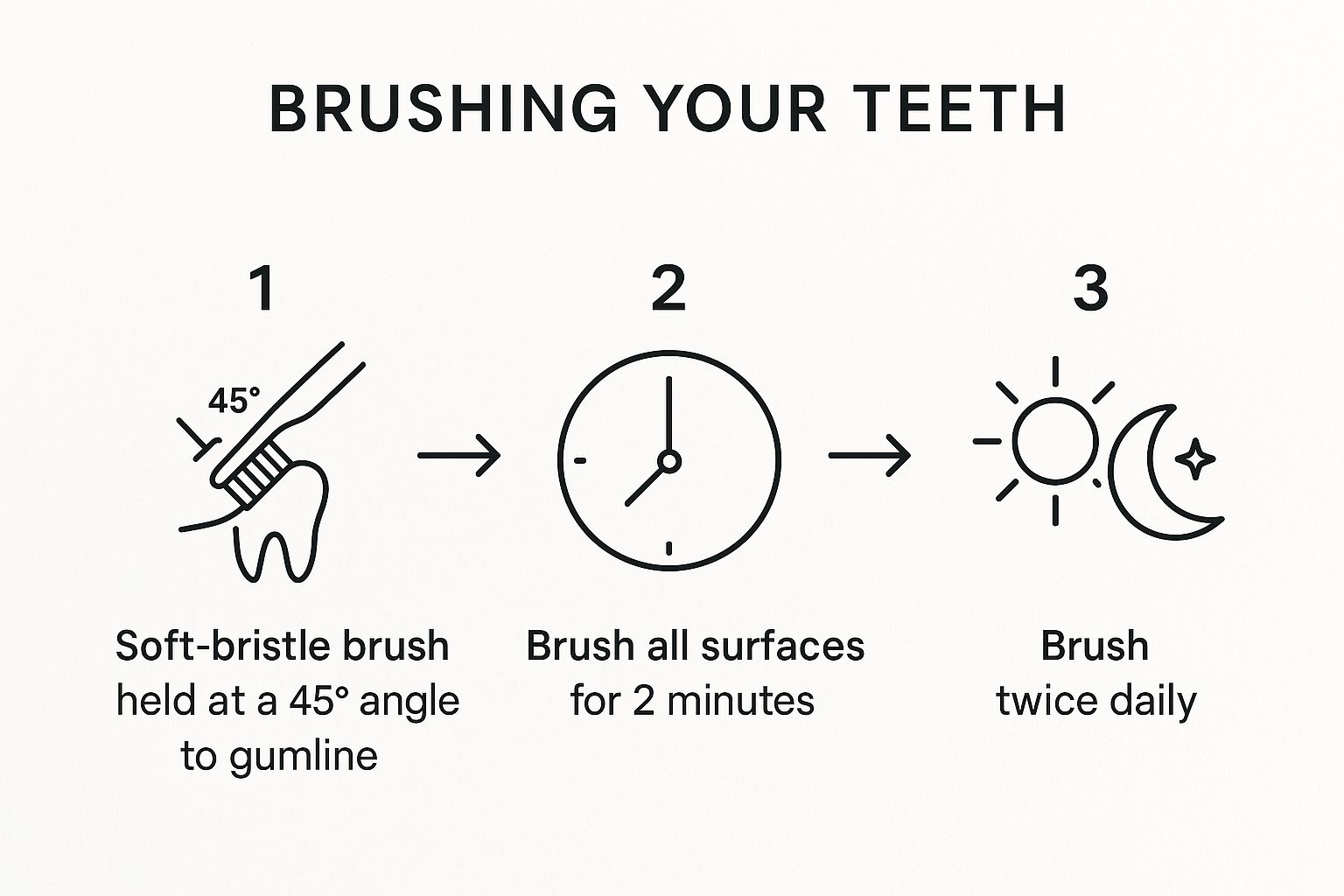
As you can see, the angle of the brush, the duration, and the frequency all work together to remove plaque effectively and keep your teeth healthy.
To help you stay on track, here's a quick-reference table summarizing the essential daily actions for a cavity-free smile.
Daily Actions for a Cavity-Free Smile
| Daily Action | Why It's Critical | Recommended Frequency |
|---|---|---|
| Brush with Fluoride Toothpaste | Removes plaque, strengthens enamel, and disrupts bacterial growth. | Twice a day for two full minutes. |
| Floss Between Teeth | Cleans the 35% of tooth surfaces that brushing misses. | Once a day, preferably before bed. |
| Use a Soft-Bristled Brush | Prevents enamel abrasion and gum damage while cleaning effectively. | Replace every 3-4 months or sooner if frayed. |
| Angle Brush at 45 Degrees | Allows bristles to clean below the gumline where plaque accumulates. | Every time you brush. |
Think of this table as your daily checklist. Mastering these simple habits is the most reliable way to build a strong defense against decay.
The Critical Role of Flossing
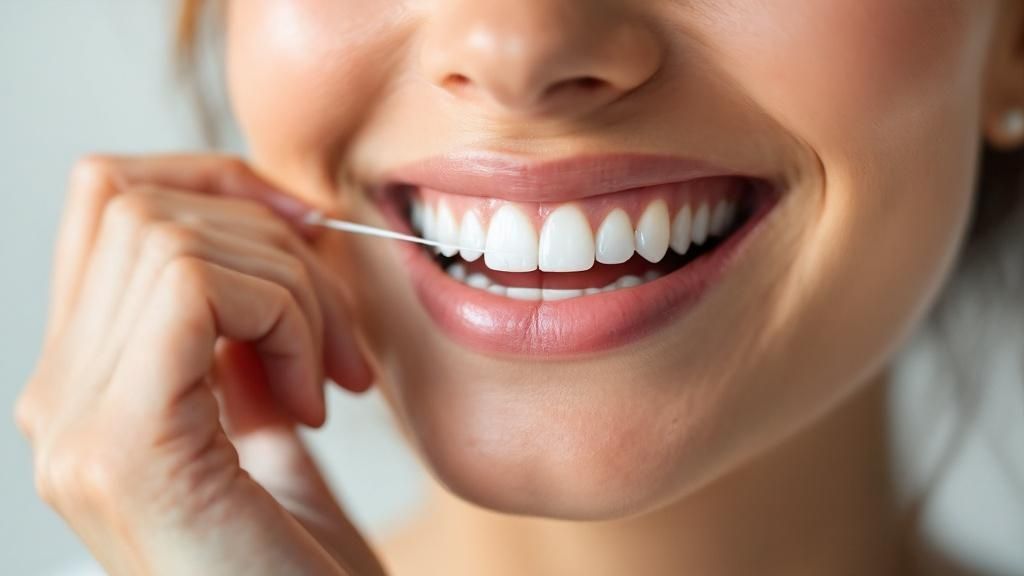
Brushing is vital, but even the most perfect technique can't reach everywhere. Your toothbrush misses roughly 35% of your tooth surfaces—specifically, the tight spaces between your teeth and just under the gums. This is exactly why flossing is non-negotiable for preventing tooth decay.
Think of it this way: not flossing is like washing only two-thirds of your body. The areas you miss become a breeding ground for bacteria, leading directly to cavities that a toothbrush alone could never have prevented.
I know many people dislike flossing; they find it awkward or uncomfortable. The trick is to find a tool you will actually use every single day. Consistency is everything.
- Traditional String Floss: This is the gold standard for a reason. When you curve it into a C-shape around each tooth and slide it gently below the gum line, it’s incredibly effective at scraping away that stubborn, sticky plaque.
- Floss Picks: These disposable tools are often more convenient and easier to handle, especially if you have dexterity challenges or want to floss on the go.
- Water Flossers: Devices like a Waterpik use a pressurized stream of water to flush out food debris and plaque from between teeth. They're fantastic for cleaning around braces or bridgework, but most dentists agree they should be used in addition to traditional floss, not as a replacement. The mechanical scraping of floss is still the best way to remove sticky plaque.
The secret is finding the right combination of brushing and flossing that works for you. The best routine is the one you can stick with day in and day out, creating a powerful, consistent defense against decay.
How Your Diet Fights or Fuels Cavities
While your toothbrush and floss are your front-line soldiers in the war against cavities, your diet is what truly arms them for battle. Think of it this way: what you eat either provides reinforcements for your teeth or hands ammunition directly to the bacteria trying to destroy them. It’s a critical—and often underestimated—part of preventing tooth decay.
Every single meal and snack can either fortify your enamel or launch another acid attack that leads to cavities.
It’s not just about steering clear of obvious culprits like candy and soda, either. Many foods that seem harmless can be just as bad for your teeth. Crackers, chips, and even white bread break down into simple sugars the moment they enter your mouth. Because they're soft and sticky, they cling to your teeth long after you've finished eating.
This gives plaque bacteria a non-stop buffet, fueling constant acid production. On top of that, acidic drinks like sports drinks, fruit juices, and even some sparkling waters can directly erode your enamel without any help from bacteria.
Choosing Tooth-Friendly Foods
The good news is that you can make your diet work for you by focusing on foods that actively protect your teeth. This isn't about restriction; it's about making smarter swaps and additions to your meals.
A fantastic place to start is with crunchy, high-fiber fruits and vegetables. Foods like apples, carrots, and celery are basically nature's toothbrushes. As you chew, their fibrous texture helps scrub away plaque and stimulates saliva—your body’s best natural defense against acid.
Dairy products like cheese, milk, and plain yogurt are also powerhouses for dental health. They're packed with calcium and phosphates, the very minerals that make up your teeth. Eating these foods helps replenish the minerals stripped away by acid attacks, a process known as remineralization. It's like rebuilding and strengthening your enamel from the inside out. For a deeper dive into this connection, check out our guide on how diet affects your dental health.
Here's a simple yet powerful habit: rinse your mouth with plain water after every meal or snack. This quick swish helps wash away leftover food particles and neutralize lingering acids, giving your saliva a much-needed assist.
Smart Snacking and Strategic Habits
Believe it or not, how often you consume sugar is often more damaging than the total amount. Sipping on a sugary coffee all morning or grazing on snacks throughout the day creates a constantly acidic environment in your mouth. Your saliva never gets a chance to neutralize it and protect your teeth.
Instead, try to keep your sugar intake to mealtimes and limit snacking between them. When you do need a snack, choose wisely from the tooth-friendly options we talked about.
Here are a few practical tips to build into your routine:
- Chew Sugar-Free Gum: Look for gum sweetened with xylitol. This natural sweetener is unique because plaque bacteria can't process it, meaning they can't produce acid from it. Chewing xylitol gum also boosts saliva flow.
- Limit Sticky Foods: Dried fruits, gummy vitamins, and caramels are notorious for getting stuck in the grooves of your teeth, providing a long-lasting feast for bacteria. If you indulge, have them with a meal and try to brush soon after.
- Drink More Water: Make water your go-to beverage. It keeps you hydrated (which is essential for saliva production) and contains no sugar or acid to harm your teeth.
By treating your diet as an active part of your oral health strategy, you can dramatically cut your risk of cavities and build a stronger, healthier smile from the inside out.
The Importance of Professional Dental Care

Even if your at-home oral hygiene routine is flawless, some things are just beyond the reach of your toothbrush and floss. This is exactly where professional dental care comes in, acting as your essential partner in the fight against tooth decay.
It’s helpful to think of your dentist and hygienist as more than just problem-fixers. They are your dedicated support team, focused on keeping your mouth healthy from the start.
While daily brushing does a great job of removing soft, sticky plaque, any bit that gets missed can harden into a substance called tartar, or calculus. Once tartar forms, it’s like cement on your teeth—no amount of brushing at home can get it off. Only a dental professional with specialized tools can safely and effectively scrape it away, which is a primary goal of a professional cleaning.
Globally, tooth decay is a massive issue. It affects about 2.5 billion people, and 514 million children suffer from decay in their primary teeth. In fact, untreated tooth decay is the single most common health condition in the world.
When tartar is left on your teeth, it creates a rough, sticky surface that plaque loves to cling to, which speeds up your risk for cavities and gum disease. Getting regular professional cleanings is the only way to truly hit the "reset" button and start with a completely clean slate.
Advanced Preventive Treatments
Beyond just a standard cleaning, your dental team has some powerful tools to give you an extra layer of defense against cavities. These aren't just for fixing existing issues; they're proactive measures to stop decay before it even begins. Knowing your options for preventive dental care can make a huge difference in your long-term oral health.
One of the most effective treatments we offer, especially for kids and teens, is dental sealants.
- What are they? Sealants are a super-thin, protective coating that we paint right onto the chewing surfaces of the back teeth (your molars and premolars).
- How do they work? The deep grooves and pits on these teeth are perfect hiding spots for food particles and bacteria. Sealants create a smooth, physical barrier that literally “seals out” all the bad stuff that causes decay.
The whole process is fast, totally painless, and can protect teeth from cavities for years. It's a remarkably simple way to protect the most vulnerable areas in the mouth.
Another key service is professional fluoride treatments. While you get some fluoride in your daily toothpaste, a professional application delivers a much higher, more concentrated dose. This treatment is fantastic for strengthening your tooth enamel and can even reverse the very earliest signs of decay—stopping a cavity in its tracks before it has a chance to form.
Ultimately, viewing your dental appointments as a partnership is the best approach. These visits are your chance to get an expert cleaning, take advantage of advanced preventive technologies like sealants, and receive personalized advice to keep your smile healthy for life.
Preventing Tooth Decay at Every Age
Preventing tooth decay isn't a strategy you can just set and forget. The challenges we face and the priorities for our oral health shift dramatically as we move through life. What works wonders for a toddler is a far cry from what an adult with a mouth full of complex dental work needs to do.
A truly effective prevention plan has to be nimble, adapting to these changing circumstances. Understanding these life-stage-specific needs is the real secret to keeping your smile healthy for a lifetime.
For Infants and Toddlers
Believe it or not, great oral health habits start long before that first tiny tooth ever makes an appearance. For infants, all it takes is gently wiping their gums with a clean, damp cloth after each feeding. This simple step clears away sugar residue from milk or formula and gets them used to the feeling of having their mouth cleaned.
Once that first tooth pops through, it's time to graduate to a soft-bristled baby toothbrush. You only need a tiny smear of fluoride toothpaste—think the size of a single grain of rice. The biggest goal here is to make brushing a positive, normal part of the day. Get creative! Sing songs, let them hold their own brush (with your supervision, of course), and build a happy association right from the start.
A common—and very serious—risk for little ones is baby bottle tooth decay. This happens when a baby is put to bed with a bottle of milk, formula, or juice. The sugars pool around those new teeth all night long, creating a perfect storm for rapid, aggressive decay. Always take the bottle away as soon as they're done drinking.
For Adults and Those with Orthodontics
As we step into adulthood, a new set of oral health challenges comes into play. If you have existing dental work like fillings, crowns, or bridges, they need special attention. While these restorations themselves can't get cavities, the edges where they meet your natural tooth are prime real estate for plaque to build up and cause new decay. Meticulous brushing and flossing around all your dental work is non-negotiable.
For anyone going through orthodontic treatment, oral hygiene gets a lot more complicated. Braces create countless nooks and crannies where food and plaque can get trapped, significantly raising the risk of cavities and gum inflammation.
- Interdental Brushes: These tiny, cone-shaped brushes are lifesavers for cleaning under and around orthodontic wires and brackets.
- Water Flossers: A water flosser can be your best friend, flushing out stubborn debris from those hard-to-reach spots that floss can't touch.
- Extra Vigilance: Brushing after every single meal often becomes a necessity to keep teeth clean and healthy throughout your treatment.
Addressing Age-Related Oral Health Issues
As we get older, the oral health landscape changes yet again. One of the most common issues we see in older adults is dry mouth (xerostomia), which is frequently a side effect of medications for other health conditions. Saliva is your body's best natural defense against cavity-causing acid, so when there's less of it, the risk for decay skyrockets.
This is also a time when decades of wear and tear can lead to more complex dental needs. Taking proper care of restorations like dentures and bridges becomes absolutely paramount. For more specific guidance on this topic, exploring tailored advice on seniors' oral health challenges can provide incredibly valuable insights.
By understanding the unique risks that come with every age, you can put a targeted, effective plan in place to prevent tooth decay and enjoy a healthy smile for life.
Still Have Questions About Preventing Cavities?
Even with all the right information, it's natural for questions and a few myths about tooth decay to pop up. Let's clear the air and tackle some of the most common ones I hear from patients every day, giving you straightforward answers to build confidence in your routine.
So many people cross their fingers hoping for a simple, natural fix once a cavity appears, but it's crucial to understand what's happening on a biological level.
Can I Really Reverse a Cavity Once It Forms?
This is a fantastic question, and the answer has two parts. You can absolutely reverse the very first stage of a cavity, a process we call demineralization. This is when you might see a chalky white spot on your tooth. The enamel has weakened, but the surface is still solid and intact.
With excellent home care, a tooth-friendly diet, and professional fluoride treatments, your enamel can actually soak up those lost minerals and repair itself. It’s pretty amazing.
But once that decay breaks through the surface and creates an actual hole—the "cavity" everyone knows—the damage is permanent. That lost tooth structure can't grow back on its own. At that point, a dentist has to step in, clean out the decay, and place a filling to restore the tooth’s strength and stop the problem from getting any bigger.
Are Electric Toothbrushes Actually Better Than Manual Ones?
For most people, the short answer is yes. While a manual toothbrush can get the job done if your technique is perfect every single time, an electric toothbrush takes out the guesswork and delivers a more consistent, thorough clean.
Study after study has shown that oscillating-rotating electric toothbrushes are superior at removing plaque and reducing gingivitis. They do the hard work for you, ensuring you're using the right pressure and motion.
One of the most valuable features of an electric toothbrush is the built-in two-minute timer. It’s a simple thing, but it’s a game-changer. It holds you accountable for brushing for the full recommended time—something very few of us manage to do with a manual brush.
For many, investing in an electric toothbrush is one of the smartest moves you can make to prevent tooth decay. It essentially automates good brushing habits.
How Often Do I Really Need Dental X-Rays?
There's no one-size-fits-all answer here; it’s all about your personal risk level. Your dentist will look at a few key factors to decide what's right for you:
- Your age and overall health
- Your current oral health (any signs of gum disease?)
- Your history of tooth decay
A healthy adult who rarely gets cavities might just need check-up X-rays (we call them bitewings) once a year. On the other hand, someone with a history of frequent cavities or active gum disease might need them more often to stay ahead of any problems.
Think of X-rays as our superpower. They let us see what's completely invisible to the naked eye, like decay starting between teeth, problems under the gum line, or cavities forming beneath old fillings. Catching these things early makes treatment so much simpler and less invasive.
At Beyond Dental Care, we believe that understanding the "why" behind every recommendation is key to lifelong oral health. If you have more questions or are ready to partner with a team dedicated to preventive, patient-centered care, we invite you to schedule a consultation with us today.