
It's easy to think of dental care as something that only affects your teeth. But the truth is, it’s about so much more, especially as we get older. A healthy mouth is a key part of a healthy life, and it plays a huge role in your overall well-being. This guide is here to give you clear, practical advice just for seniors.
Why Your Smile Is a Key to Healthy Aging
As we age, keeping our mouths healthy is one of the most powerful things we can do for our entire body. This isn't just about avoiding cavities. It’s about protecting your heart, your mind, and your overall energy.
Sadly, only about 52% of seniors go to their regular dental visits. That means nearly half are missing a big chance to connect their oral care to their bigger health goals.
This guide will show you why a healthy mouth matters so much in your senior years. We'll explore the strong link between your oral health and serious conditions like heart disease and diabetes. We’ll also cover common dental challenges that come with age and the modern solutions that can help you eat, speak, and smile with confidence.
Filling a Critical Information Gap
Many seniors and their caregivers are searching for trustworthy advice on age-related dental issues. They have specific questions—from managing dry mouth caused by medications to figuring out if dental implants are the right choice.
The problem is, most dental advice is written for everyone, completely missing the unique needs of older adults. Other dental providers often overlook how dental care ties into overall wellness for seniors. We're here to fill that gap.
Our goal is to offer targeted, educational information that helps you take control. We want you to understand not just what to do, but why it's so important for your long-term health. You can learn more about how a healthy smile supports your overall wellbeing after 60 in our detailed article on the subject.
Your dentist is more than just a tooth expert. They are a partner in your long-term health journey. Seeing dental visits as preventive care for your whole body is a powerful step toward healthy aging.
A Partner for Your Health in Glendale
At Beyond Dental Care, we specialize in complete dental care for adults and seniors in North Glendale, Arrowhead Ranch, and the nearby upscale Phoenix communities. We understand the connection between oral health and your body's health. We bring a compassionate, whole-person approach to every patient. Our office is designed to be a calm, comfortable place—perfect for those with health concerns or dental anxiety.
We've seen interest in advanced solutions like dental implants and All-on-4 dentures go up by nearly 30% since 2021. By helping seniors understand how these modern options not only protect their smile but also support their total wellness, we build trust and become your go-to resource for personalized dental care.
How Your Mouth and Body Are Connected
Think of your mouth as the front door to your entire body. When it's healthy, that door is locked and secure. But when problems like gum disease develop, that gateway is left wide open.
Harmful bacteria can build up in your gums and slip into your bloodstream. From there, they can travel anywhere in your body, causing inflammation far from where they started. This powerful link between your oral health and overall wellness is called the mouth-body connection.
Understanding this relationship is a huge part of adopting a "healthy mouth, healthy life" mindset. It makes it clear that caring for your teeth and gums is one of the most basic forms of preventive care you can practice for your whole body.
This visual shows the direct line between a healthy mouth and your overall vitality. It affects everything from your heart and mind to your daily energy levels.
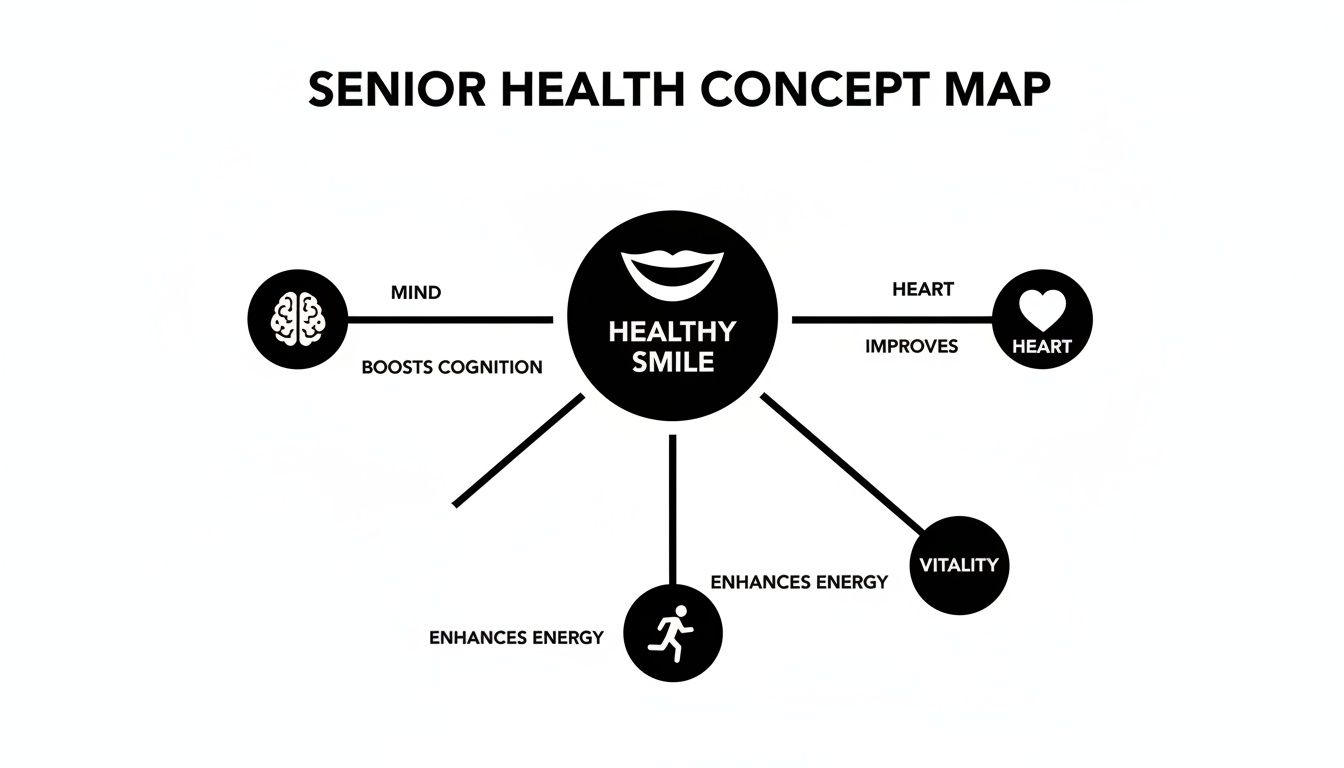
It’s easy to see that a healthy smile isn’t just about looking good—it’s a key part of supporting your heart health, brain function, and energy as you age.
The Link to Heart Health
One of the most studied parts of the mouth-body connection is its link to heart health. It turns out that the same bacteria that cause swollen gums can also lead to inflammation in your blood vessels.
Over time, this can cause serious trouble. Long-term inflammation is a known risk for heart disease, clogged arteries, and even stroke.
By simply managing the health of your gums, you're taking an active and direct step toward protecting your heart. It’s a powerful yet simple way to support your heart health for years to come. You can learn more about what causes gum disease to get a better handle on prevention.
Impact on Diabetes and Blood Sugar
For anyone managing diabetes, paying attention to oral health is a must. The relationship between gum disease and diabetes is a two-way street. Each condition can make the other worse.
Gum disease is an infection. Like any infection, it can cause blood sugar levels to rise, making diabetes harder to control. At the same time, people with diabetes are more likely to get infections, including gum disease. Keeping your mouth healthy can make it easier to keep your blood sugar stable, which is a critical part of managing your overall health.
Protecting Your Respiratory System
Your mouth is also the entry point to your breathing system. Bacteria in an unhealthy mouth can easily be breathed into the lungs. This can lead to serious infections like pneumonia.
This is a special concern for older adults, whose immune systems might not be as strong as they once were. Good oral hygiene helps keep the number of harmful bacteria in your mouth low. This reduces the risk of them causing trouble in your lungs.
Oral Health and Your Cognitive Well-being
New science is finding a surprising connection between the health of your mouth and the health of your brain. It seems the long-term inflammation from gum disease may play a role in memory loss and cognitive decline.
Studies have shown a strong link between poor oral health and a higher risk of memory issues. For example, poor oral health is tied to a 30% higher risk of heart disease in older adults. Those with more tooth loss face higher rates of cognitive decline. These issues are seen in 13.6% of older adults with bad oral health, compared to just 7.7% in those with good oral health.
Taking care of your teeth isn't just about keeping your smile. It's also a smart way to protect your mind.
To put it all together, here’s a quick look at how common oral health concerns can affect the rest of your body.
How Oral Health Issues Impact Your Overall Health
| Oral Health Concern | Potential Impact on the Body | Preventive Action |
|---|---|---|
| Gum Disease | Increased risk of heart disease, stroke, and trouble managing blood sugar. | Daily brushing and flossing, regular dental cleanings, and avoiding tobacco. |
| Tooth Loss | Linked to poor nutrition, social withdrawal, and a higher risk of cognitive decline. | Regular dental check-ups, quick treatment of cavities, and good hygiene. |
| Oral Bacteria | Can be breathed into the lungs, increasing the risk of respiratory infections. | Consistent brushing, flossing, and using an antiseptic mouthwash if advised. |
| Chronic Dry Mouth | Can speed up tooth decay and gum disease, leading to body-wide inflammation. | Staying hydrated, using saliva substitutes, and discussing medications with your doctor. |
This table makes it clear that the small habits you practice every day—like brushing and flossing—are about so much more than just your teeth. They are a vital piece of the puzzle for a long, vibrant, and healthy life.
Navigating Common Dental Challenges for Seniors
As the years go by, our oral health needs change. Decades of chewing, old habits, and even side effects from medications can bring new dental challenges. This is your practical guide to understanding and managing the most common issues, so you can feel confident in protecting your smile and your health.
What happens in your mouth has a huge impact on the rest of your body. In 2021, there were about 675.8 million cases of oral disorders among adults over 60 worldwide. In the U.S., severe gum disease affects 70% of adults aged 65 and older. Over 400 common medications can cause dry mouth—a major risk factor for cavities. These are not just small problems; poor oral health is directly tied to a higher risk of heart disease and even memory loss.
Understanding Dry Mouth
One of the most common complaints we hear is about dry mouth. It might seem like a small thing, but it can lead to serious dental problems. Saliva is your mouth’s natural defense. It works all day to neutralize acids, wash away food, and fight decay.
When saliva flow slows down—often as a side effect of medications for blood pressure, depression, or allergies—that defense system gets weak. Without enough saliva, your risk for cavities and gum disease can go way up.
Tips for Managing Dry Mouth:
- Stay Hydrated: Sip water throughout the day to keep your mouth moist.
- Use Saliva Substitutes: Over-the-counter oral sprays or rinses can offer quick relief.
- Chew Sugar-Free Gum: This can help your body make more of its own saliva.
- Avoid Irritants: Try to limit caffeine, alcohol, and tobacco, as they can make dryness worse.
The Rise of Gum Disease and Root Cavities
Gum disease is more common in our senior years. Gums can start to recede, or pull away from the teeth. This leaves the sensitive root surfaces exposed. The root surface is much softer than the tough enamel on top of your tooth, making it more likely to decay.
Receding gums create a couple of problems. First, they form little pockets between your teeth and gums where bacteria can hide and multiply. Second, with the roots exposed, you are more likely to get cavities. This is why someone who has never had a cavity might suddenly start getting them.
Keeping your gums healthy is essential for a healthy life. Regular check-ups allow your dental team to catch the early signs of gum recession and perform cleanings to keep harmful bacteria under control.
The Effects of Natural Wear and Tear
Your teeth have worked hard for decades, so it's normal for them to show some wear. The chewing surfaces can become a bit flat, and you might notice small cracks or chips. Sometimes, this can lead to new sensitivity to hot and cold foods.
Many seniors experience this. To learn more about what causes it, you can explore resources on understanding tooth sensitivity. While a little wear is expected, big changes can affect your bite and how well you chew. It’s always a good idea to tell your dentist. For those dealing with tooth loss, it’s helpful to know your options. You can learn more in our guide on the best dentures for seniors in Glendale, AZ. Addressing these issues early helps you continue to eat a healthy diet and smile with confidence.
Exploring Modern Solutions for a Lifelong Smile
Losing teeth doesn't have to mean giving up simple joys like enjoying your favorite foods or laughing with friends. Thanks to amazing progress in dental care, today’s options for restoring your smile are more comfortable and natural-looking than ever before. These modern solutions do more than just fill a gap. They restore full function, boost your confidence, and support an active, healthy lifestyle.
For too long, general dentistry has overlooked the specific oral health needs of seniors and how dental care is connected to overall wellness. At Beyond Dental Care, we believe in giving you the information you need to maintain not just your smile, but your whole-body health.
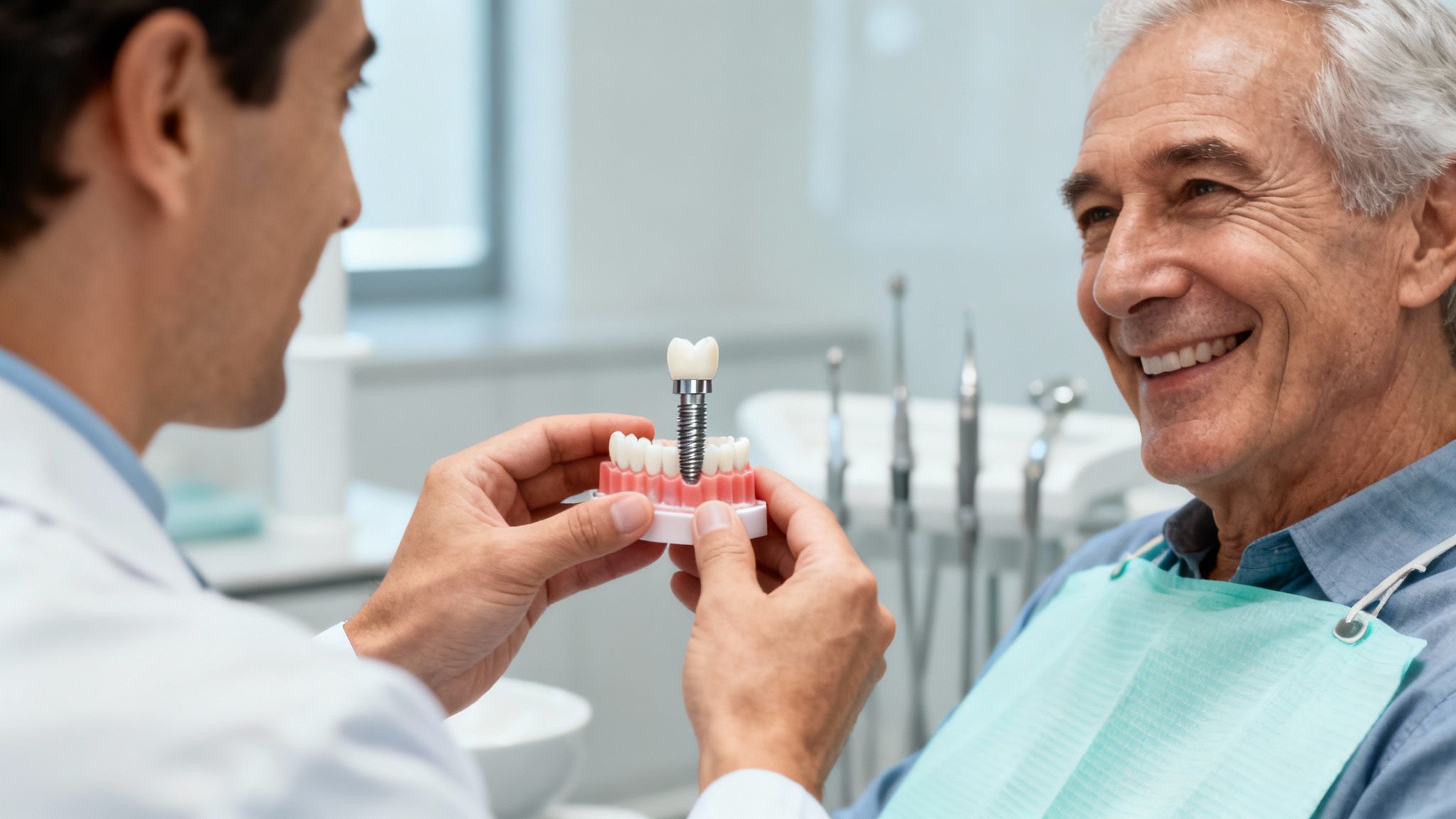
Dental Implants: The Gold Standard for Tooth Replacement
Dental implants are widely seen as the best solution for replacing missing teeth today. An implant is a small, strong titanium post that acts like a new tooth root. It is placed into the jawbone, where it joins with the bone over time to create a very stable base. A custom-made crown is then attached to the top. This gives you a replacement tooth that looks, feels, and works just like a natural one.
One of the biggest benefits of implants is that they save your jawbone. When a tooth is lost, the bone in that area starts to shrink. Implants stimulate the bone, keeping it strong and healthy. This helps maintain your facial structure. Many seniors think they might be too old for implants, but age is not the main factor. As long as you're in good general health, you can be a great candidate for this life-changing solution.
All-on-4: A Full Smile Transformation
For those who have lost most or all of their teeth, the All-on-4 treatment is a great alternative to traditional dentures. Instead of needing an implant for every missing tooth, this method uses just four implants to support a full arch of beautiful, permanent new teeth.
This approach has some major advantages:
- Immediate Results: You can often leave the same day with a brand-new, working set of teeth.
- Enhanced Stability: The teeth are secured to implants, so you'll never have to worry about them slipping like traditional dentures.
- Renewed Chewing Power: You can once again enjoy all the foods you love, including crunchy fruits and vegetables that are important for good nutrition.
The All-on-4 solution restores not only your smile but also your quality of life. It allows you to eat, speak, and laugh with complete confidence.
Modern Dentures: Comfort and Natural Aesthetics
Today’s dentures are much better than the ones your grandparents might have worn. The old idea that dentures always look fake or feel uncomfortable is simply not true anymore. Using advanced materials and precise digital imaging, modern dentures are custom-made to fit your mouth securely and look incredibly natural. They are designed to match your facial features and restore a warm, genuine smile.
Whether you need a full denture to replace all your teeth or a partial denture to fill in for a few missing ones, the focus is always on comfort and function. High-quality partials are designed to blend in with your remaining natural teeth. These advancements are a core part of how high-tech dentistry is becoming the new standard for adults and seniors in Phoenix.
Choosing the right solution is a personal decision, and our team is here to guide you. By exploring these modern options, you can find the perfect path to restoring your smile and protecting your long-term health.
Your Practical At-Home Oral Care Routine
Keeping your smile healthy at home is one of the best ways to live a "healthy mouth, healthy life." A consistent daily routine doesn't need to be complex. But it does need to be designed for your specific needs—whether you're caring for natural teeth, dentures, or dental implants. Let's build a simple, effective plan that works for you.

Here, we'll break down the basics with easy tips and helpful tools to keep your mouth in top shape every day.
Caring for Your Natural Teeth
If you still have your natural teeth, the goal is simple: protect them from decay and keep your gums healthy. This is even more important as we age, since exposed tooth roots are softer and more likely to get cavities.
Your daily routine should look like this:
- Gentle Brushing Twice a Day: Always use a soft-bristled toothbrush and fluoride toothpaste. If arthritis makes brushing hard, an electric toothbrush can be a big help. It does most of the work for you.
- Daily Flossing: Cleaning between your teeth is a must for removing plaque where your brush can't reach. If regular floss is tricky, try floss picks or a water flosser.
- Consider an Alcohol-Free Rinse: A gentle, alcohol-free mouthwash can help reduce bacteria without causing or worsening dry mouth.
Special Care for Dentures
Proper denture care is about more than just keeping them clean. It's vital for protecting the health of your gums and the soft tissues in your mouth. A dirty or poorly fitting denture can cause painful sores and even infections.
For a complete guide, our article on cleaning dentures at home offers detailed instructions. The key is to care for them just as you would your natural teeth.
Remember to give your gums a rest. Removing your dentures for at least six to eight hours every day, usually while you sleep, allows your gum tissues to recover and stay healthy.
Maintaining Dental Implants
Dental implants are made to look, feel, and work just like your natural teeth—and they need the same good care. While the implant itself can't get a cavity, the gum tissue around it can still get infected if plaque builds up.
Here’s how to maintain your implants:
- Brush Thoroughly: Be sure to brush around and under the implant crown twice a day with a soft-bristled brush.
- Specialized Flossing: Use implant-specific floss, a water flosser, or tiny interdental brushes to clean around the implant post where it meets the gum line.
- Regular Check-ups: Professional cleanings are essential for the long-term health and stability of your implants.
This simple checklist compares the essential steps for each type of care.
Daily Care Checklist for Your Smile
| Care Step | For Natural Teeth | For Dentures | For Dental Implants |
|---|---|---|---|
| Cleaning | Brush twice daily with fluoride toothpaste. | Clean daily with a soft brush and denture cleanser. | Brush twice daily, focusing on the gum line. |
| Between Teeth | Floss daily (string, pick, or water flosser). | Brush gums and tongue with a soft brush. | Floss daily with special tools (water flosser). |
| Rinsing | Use an alcohol-free mouthwash if desired. | Rinse dentures after meals; rinse mouth after removing. | Use a gentle, non-abrasive antimicrobial rinse. |
| Night Care | Nothing specific, just clean before bed. | Soak overnight in a denture solution. | Nothing specific, just clean before bed. |
No matter what your smile looks like, a consistent daily routine is your best defense. This simple checklist makes it easy to stay on track.
Partnering with Your Dentist for a Healthier You
Throughout this guide, we've explored the strong connection between your mouth and your overall well-being. A good relationship with your dental team is one of the best investments you can make in your long-term health. Think of your dentist not just as someone who fixes teeth, but as a key partner on your healthcare team.
This partnership is built on communication and trust. Your dental team is there to help you handle the unique oral health needs that come with aging, from managing dry mouth to exploring modern solutions for missing teeth. They are your best resource for personal advice and professional care.
Too often, dental visits get pushed aside because of anxiety or the feeling that small issues can wait. But changing your view—seeing a check-up as a positive step toward a healthy life—can make all the difference. A dental visit isn't a chore; it’s an action you take to live a healthier life.
Your Dentist as a Wellness Advocate
Your dentist can often spot the early signs of health issues that first appear in the mouth. During a routine exam, they check for much more than just cavities. They perform oral cancer screenings, check gum health for inflammation, and can spot issues linked to diabetes or heart conditions.
When you share your full health history, including every medication you take, you give your dental team the complete picture. This allows them to provide care that supports your entire body, not just your smile.
A healthy mouth is a cornerstone of healthy aging. By working with a dental team that understands the mouth-body connection, you are taking a powerful step toward protecting your heart, mind, and long-term vitality.
Taking the Next Step in Glendale
For seniors in our community, finding a dental practice that feels like a true partner is key. The right team provides advanced care in a calm, comfortable setting, making it easier to stay on top of your oral health. They listen to your concerns and work with you to find solutions that fit your lifestyle and health goals.
By helping seniors understand the vital role oral health plays in aging well, a trusted dental practice becomes a go-to resource. This is why we encourage residents in North Glendale, Arrowhead Ranch, and nearby areas to schedule a consultation to explore treatment options that protect both their smile and their long-term wellness. Don't let another day go by. Take that simple, proactive step toward a healthier you.
Frequently Asked Questions About Senior Dental Health
It's normal to have questions about your dental care. We've put together some of the most common ones we hear from our senior patients and their families, with clear, simple answers.
How Often Should a Senior Visit the Dentist?
For most seniors, we recommend a dental check-up and cleaning every six months. These regular visits are the best way to catch small issues before they become bigger problems.
If you are managing something like gum disease or you wear dentures, your dentist might suggest coming in more often. These appointments are key to protecting not just your smile, but your overall health, too.
Are Dental Implants a Safe Option for Seniors?
Yes. For seniors who are in good general health, dental implants are a safe and fantastic solution for missing teeth. They are designed to look, feel, and work just like your natural teeth.
This can make a huge difference in your ability to enjoy a healthy diet and speak with confidence. We always do a complete health evaluation first to make sure you are a good candidate for this procedure.
One of the biggest myths we hear is that you can be "too old" for dental implants. The truth is, your overall health is much more important than your age. A healthy senior can be a perfect candidate for a permanent, confident smile.
What Can I Do About Dry Mouth from My Medications?
Dry mouth is a very common side effect. It’s important to manage it because a lack of saliva greatly increases your risk for cavities. The simplest first step is to sip water throughout the day.
You can also try over-the-counter oral rinses or sprays made for dry mouth. During your visit, we can recommend the best products for you and check for any early signs of decay.
If I Have Full Dentures, Do I Still Need to See a Dentist?
Yes, it is very important for denture wearers to continue seeing a dentist at least once a year. During these visits, we check the fit of your dentures to prevent painful sores and make sure you can chew your food comfortably.
More importantly, we perform a thorough oral cancer screening and check your gums and other soft tissues to ensure your entire mouth stays healthy. Beyond dental questions, many seniors have general questions about healthcare. This resource offers clear answers to frequently asked questions about Medicare, serving as an essential guide to Medicare benefits.
Your oral health is a vital part of your overall wellness journey. At Beyond Dental Care, we are committed to providing compassionate, specialized care that supports your long-term health. Schedule your consultation today by visiting us at https://beyonddentalcare.com.