
When it comes to preventing a dry socket, we have one critical mission: protecting the blood clot that forms in the empty tooth socket after your extraction. This clot is your body's natural bandage, and if it gets dislodged, it leaves bone and nerves exposed, which is the source of the intense pain associated with a dry socket.
Following your dentist's aftercare instructions to the letter is, without a doubt, the single most effective thing you can do to ensure a smooth, comfortable recovery.
What Is Dry Socket and Why Does It Happen?
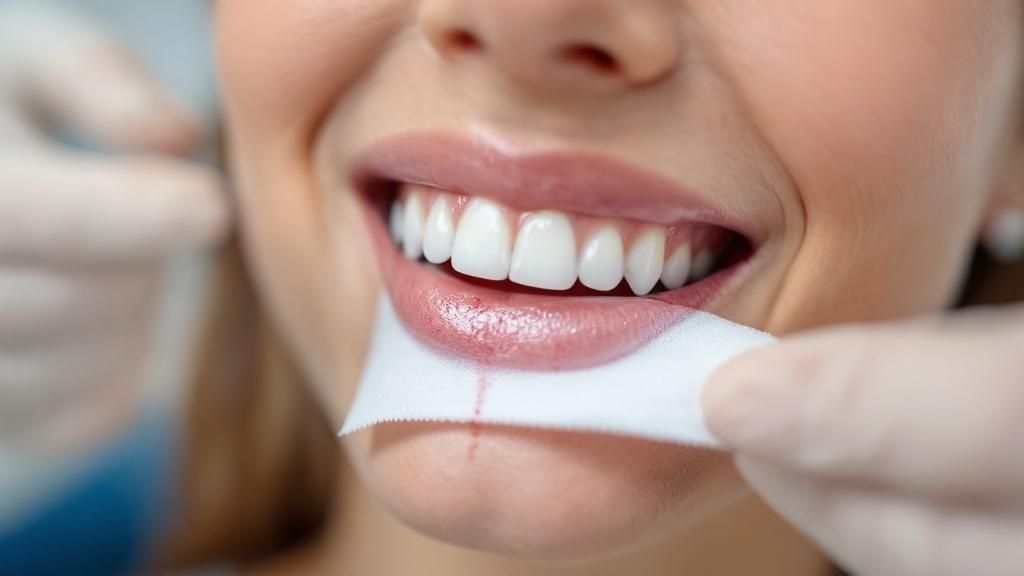
After a tooth is pulled, your body immediately kicks off a natural healing process. A blood clot forms in the empty space, creating the perfect foundation for new bone and soft tissue to grow. Think of this clot as a protective shield for the underlying bone and all the sensitive nerve endings.
Dry socket, known in the dental world as alveolar osteitis, is what happens when this crucial blood clot gets knocked out, dissolves before it's supposed to, or just doesn't form correctly in the first place.
Without that protective barrier, the raw bone and nerves are left exposed to everything in your mouth—air, food, liquids, and bacteria. This exposure is exactly what causes the signature deep, throbbing pain of a dry socket, which usually rears its ugly head two to four days after the procedure.
Your Quick-Reference Dry Socket Prevention Plan
To make it easier, I've put together a simple table summarizing the key actions you can take to protect that healing site. Think of it as your cheat sheet for a smoother recovery.
| Phase | Key Action | Why It's Critical |
|---|---|---|
| Before Extraction | Discuss medications and smoking habits with your dentist. | Some substances can interfere with blood clotting and healing. Honesty is key. |
| First 24-48 Hours | Avoid straws, smoking, spitting, and vigorous rinsing. | These actions create suction or pressure that can easily dislodge the fragile clot. |
| First Few Days | Stick to soft foods like yogurt, smoothies, and soup. | Chewing hard or crunchy foods can disturb the extraction site and irritate the wound. |
| Week 1-2 | Keep the area clean with gentle saline rinses as directed. | This prevents infection without being aggressive enough to harm the healing tissue. |
Following these simple guidelines dramatically lowers your risk and helps your body do its job of healing properly.
The Timeline of Risk
It's easy to assume that if you make it through the first couple of days, you're in the clear. But that’s not quite the case. Understanding when you're most at risk is a huge part of prevention.
While the first 48 hours are absolutely critical, the danger doesn't just vanish. Research on wisdom tooth extractions, for instance, found that while 20.6% of patients showed symptoms at the 48-hour mark, that figure actually jumped to 41.2% two weeks after surgery. This really underscores the need for continued care and vigilance. You can explore the full study about dry socket prevalence after extraction on PMC.
Key Takeaway: A dry socket isn't just an immediate post-op worry. The risk can linger for up to two weeks, which means consistent, careful aftercare is your top priority for a successful recovery.
The entire journey, from the extraction itself to being fully healed, is a part of restorative dentistry—a field focused on repairing your teeth and maintaining your oral health. Proper healing is the foundation of any successful restorative treatment. If you'd like to learn more, you can check out our guide on what is restorative dentistry.
Setting Yourself Up for Success Before Extraction

Learning how to prevent dry socket doesn't start after the procedure—it begins long before you even settle into the dental chair. The decisions you make and the conversations you have in the days leading up to your extraction can make a world of difference in your healing. Think of it as creating the perfect environment for that crucial blood clot to form and stay put.
Your first move is to have a completely open and honest talk with your dentist. This isn't just a formality; it's a vital part of your care plan. Make sure to go over your complete medical history and a full list of any medications or supplements you're currently taking.
Why This Matters: Certain medications, like oral contraceptives, can directly impact your body's ability to form clots and heal properly. Your dentist needs the full picture to tailor your care and minimize any potential risks.
Your Pre-Extraction Checklist
The day before your appointment is your prep day. Taking a few simple steps now will make your post-procedure life much smoother and safer.
- Line Up Your Ride: You'll almost certainly have some form of sedation or anesthesia, which makes driving unsafe. Make sure a friend or family member is ready to take you home.
- Stock Your Kitchen: Now is the time to go grocery shopping for soft, clot-friendly foods. Think yogurt, smoothies (just remember—no straws!), applesauce, and mashed potatoes. Having these on hand means you won't be tempted by crunchy, hard, or chewy foods later.
- Be Upfront About Habits: If you smoke, it's critical to tell your dentist. Smoking dramatically increases your risk of dry socket. Your dentist can give you a clear timeline on when to stop before and after the extraction to give your body the best shot at healing correctly.
A Cleaner Start for Better Healing
Your dentist may also suggest a simple but powerful preventive step: using an antimicrobial mouth rinse, like chlorhexidine, right before your surgery. This one action helps lower the amount of bacteria in your mouth, creating a much cleaner environment for the blood clot to form.
Dry socket is the most common hiccup after an extraction. It happens in about 3% of routine cases, but that number can skyrocket to over 30% for more complex procedures like impacted wisdom teeth.
The good news? Research has shown that using a chlorhexidine rinse is incredibly effective, potentially cutting the incidence of dry socket by up to 50%. You can explore the research about chlorhexidine's effectiveness on PMC to see the data for yourself.
Taking these proactive steps gives you the best possible start for a smooth and comfortable recovery.
Navigating The First 48 Hours Post-Extraction
The first two days after your tooth extraction are without a doubt the most critical for healing. Your entire focus during this time should be on one thing: protecting that fragile blood clot forming in the empty socket. Think of this period as a time for genuine rest and gentle care, where your simple actions will make all the difference in preventing dry socket.
Right after the procedure, we'll place a gauze pad over the site. It’s important that you bite down with firm, steady pressure for a good 30 to 45 minutes. This pressure is what helps the bleeding stop so the clot can form properly. If you're still bleeding a bit after that, you can swap out the gauze and repeat the process. Don't worry—a little bit of oozing is completely normal.
Avoiding Pressure And Suction
Your new blood clot's biggest enemies are pressure and suction inside your mouth. This is why avoiding certain habits for the first few days is absolutely non-negotiable.
- No Straws: Drinking with a straw creates a powerful vacuum that can easily yank the clot right out of place. Sip your drinks directly from a glass instead.
- No Smoking: The physical act of inhaling creates suction, and the chemicals in the smoke are terrible for healing. Smoking is a primary cause of dry socket, so you'll need to steer clear.
- No Forceful Spitting: Whether you're rinsing or just clearing your mouth, let any liquid simply fall out. Forcefully spitting can pop that clot out before you know it.
This infographic breaks down the most important first steps for taking care of the site right after your procedure.
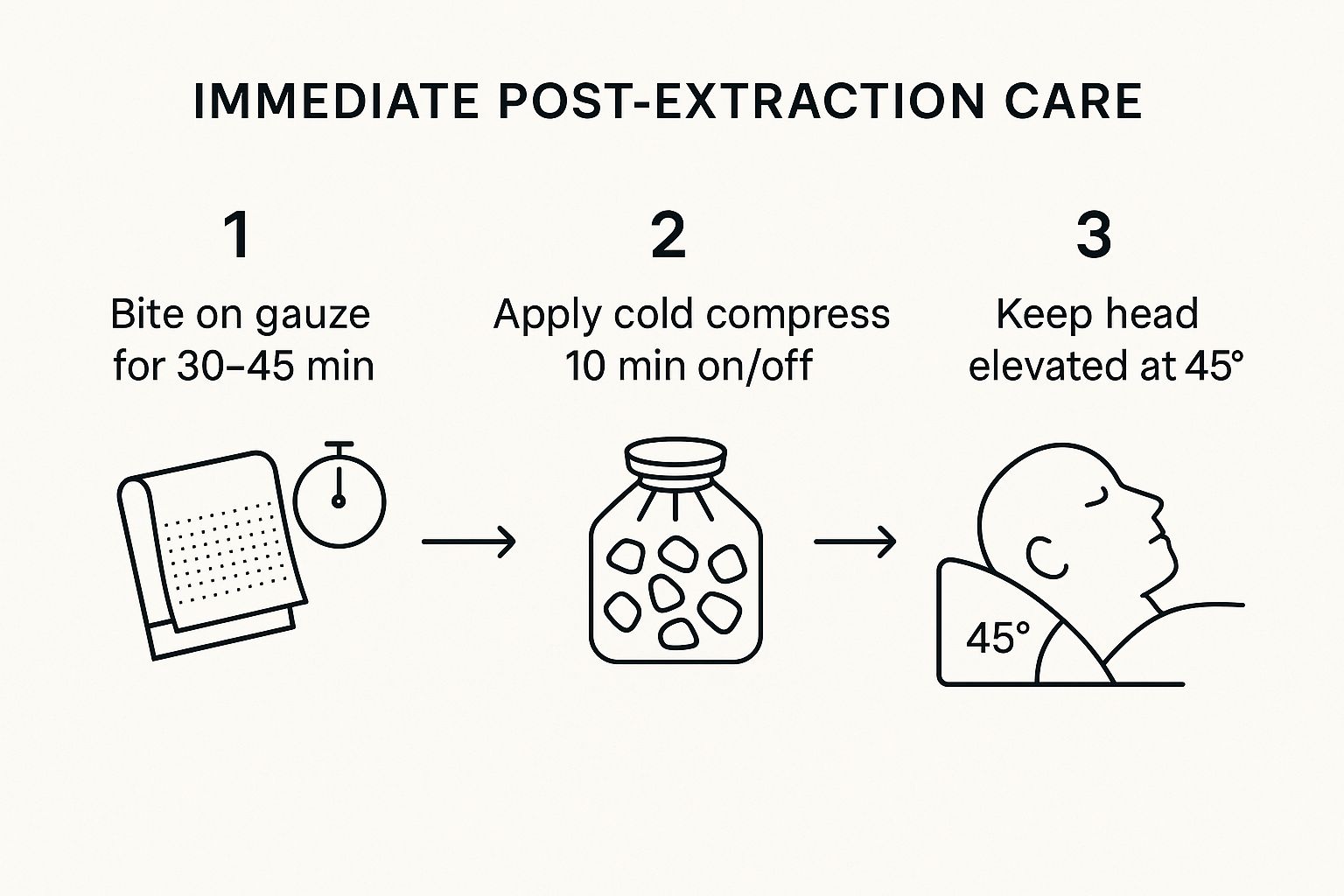
As the visual guide shows, simple, consistent actions—like managing gauze correctly, using cold packs, and resting properly—are your best defense for a smooth recovery.
Managing Swelling And Discomfort
Some pain and swelling are a normal part of the process, but you have a lot of control over them. Applying an ice bag or a cold pack wrapped in a towel to your cheek for 10-minute intervals works wonders. It can dramatically reduce swelling and help numb the area.
Key Takeaway: Rest isn't just about taking it easy; it's also about your posture. Keep your head propped up with pillows, even while you sleep. Lying flat can increase blood pressure in your head, which often leads to more swelling and bleeding at the extraction site.
These immediate aftercare steps are the foundation for any successful oral surgery recovery. The core principles of gentle care and managing swelling are quite similar to what we teach patients wondering how long to recover from dental implants, as both procedures depend on letting the site heal without disturbance. By sticking to this advice, you’re setting yourself up for a much easier, complication-free recovery.
Adjusting Your Diet and Oral Hygiene Routine

After you've made it through the first 48 hours, your goal shifts slightly. It's no longer just about protecting the blood clot, but also about keeping the healing site clean and nourished. This next phase is just as critical for avoiding a dry socket, and it all comes down to what you eat and how you clean your mouth.
Your diet is your first line of defense. You'll want to stick with foods that are soft and don't require much, if any, chewing. Putting pressure on the extraction site is a big no-no. Think yogurt, smoothies (eaten with a spoon, never a straw!), lukewarm soups, scrambled eggs, and mashed potatoes. For a complete list of safe and tasty ideas, check out our guide on the best soft foods to eat after tooth extraction.
What Foods to Actively Avoid
What you don't eat is just as important as what you do. Some foods are a direct threat to that fragile healing socket.
- Crunchy & Hard Foods: Chips, nuts, and hard candies are off-limits. They can easily break into sharp little pieces that can get lodged in the socket.
- Sticky & Chewy Foods: Anything like caramel, taffy, or even gummy candies can grab onto and dislodge the protective blood clot.
- Spicy & Acidic Foods: These will almost certainly cause a burning sensation and irritate the sensitive, exposed wound. It’s best to avoid them entirely.
- Extremely Hot Foods: High temperatures can increase blood flow to the area, which sounds good but can actually dissolve the clot. Let your soup cool down.
Key Takeaway: The goal here is simple: nourish your body without challenging the healing site. If you have to second-guess whether a food is safe, it's smarter to just skip it for a few more days and grab a softer alternative.
Gentle Oral Hygiene Is Crucial
Keeping your mouth clean is absolutely vital for preventing infection, but your normal brushing and flossing routine is far too aggressive right now. Starting 24 hours after your procedure, you can introduce a gentle saltwater rinse. Just mix half a teaspoon of salt into a glass of warm water.
Don't swish vigorously. Instead, gently tilt your head side to side, letting the saltwater solution flow over the extraction site. When you're done, just let the water fall out of your mouth into the sink—do not spit. You can continue brushing your other teeth, but be incredibly careful to stay away from the socket and the teeth right next to it.
Common Mistakes and Habits You Must Avoid
Knowing how to prevent dry socket really comes down to sidestepping a few common but surprisingly harmful habits. Your body is ready and willing to heal, but some actions can accidentally sabotage the whole process.
First and foremost, resist the urge to poke or prod the extraction site. It’s natural to be curious, but poking around with your tongue or finger is one of the easiest ways to dislodge that all-important blood clot.
Vigorous rinsing is another major mistake, especially in the first few days. While you want to keep the area clean, aggressive swishing creates pressure that puts the clot at risk. You should also steer clear of commercial mouthwashes that contain alcohol, as they can irritate the sensitive tissue and slow down your healing. Just let the area rest.
Beware of Well-Intentioned Interventions
Sometimes, things that seem like they should help can actually do more harm than good. This is especially true for certain materials that have been used in dentistry.
For example, one study found that when a specific hemostatic agent called Surgicel gauze was used to pack the socket, the incidence of dry socket jumped to 25.0%. In sockets that were left to heal on their own, the rate was just 6.0%. You can read more about the influence of Surgicel on dry socket incidence on WHO's website.
Key Takeaway: Less is often more when it comes to healing. Your body has a natural process in place. The best thing you can do is protect the site from physical disruption and harsh chemicals.
This really highlights why avoiding anything that interferes with natural healing is so crucial. Preventing complications like dry socket is a key part of avoiding more significant issues down the road, and you can learn more about the 7 causes of toothaches and how to prevent them in our related guide.
Frequently Asked Questions About Recovery
Going through the healing process after a tooth extraction can definitely bring up a few questions. Knowing what to look for and how to handle certain situations will help you feel more at ease and in control of your recovery.
How Do I Know if I Have Dry Socket?
The most unmistakable sign of a dry socket is a major spike in pain about two to four days after your procedure. This isn't just a little discomfort; we're talking about a severe, throbbing pain that can even radiate up toward your ear.
You might also notice a bad taste in your mouth or an unpleasant smell coming from the extraction site. If you take a peek in the mirror, you may see an empty-looking socket where the whitish color of bone is visible instead of a healthy, dark blood clot. If you experience these symptoms, call your dentist immediately.
What If I Accidentally Use a Straw?
First, don't panic. One accidental slip-up with a straw doesn't automatically mean you'll get a dry socket. The most important thing is to stop right away and avoid doing it again.
Just be extra mindful of your aftercare instructions from that point forward. Keep a close eye on the site for any new or worsening pain over the next couple of days.
Key Takeaway: While a single mistake isn't a guaranteed disaster, sticking to the post-op rules is your best line of defense. The whole goal is to create the perfect environment for your body to heal properly.
When Can I Return to Normal Activities?
Most people can start reintroducing semi-soft foods after three or four days. Within a week, you can usually get back to a more normal diet, just be sure to chew on the opposite side of the extraction.
When it comes to strenuous exercise or any heavy lifting, it's best to wait at least seven days. Getting your heart rate and blood pressure up too soon can dislodge the fragile clot and set back your healing.
Following your dentist's advice is all part of a larger commitment to your oral health. You can explore more ways to build great habits in our guide on preventive dental care strategies.
At Beyond Dental Care, we believe an informed patient is a healthy patient. If you ever have concerns during your recovery, our team is right here to give you the expert guidance and compassionate care you deserve. Contact us today to schedule an appointment.